Travel tips for Aruu Falls
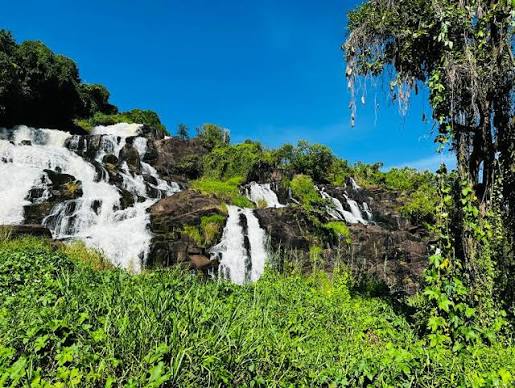
Aruu Falls rewards preparation more than expensive gear. The site is a broad Acholi-country cascade system on the Gulu–Kitgum corridor — raw rock, community guiding, and seasonal slip risk rather than resort decks and lifeguards. These tips help travelers enjoy the waterfalls safely while supporting local guides and keeping onward drives to Kitgum or Kidepo Valley National Park realistic.
Footwear and clothing
Wear shoes with serious grip — trail runners or sandals with tread, not smooth-soled fashion shoes. Wet rock injures more visitors than wildlife encounters. Quick-dry clothing suits splash zones; a light rain jacket helps even in drier months when afternoon showers appear. Sun hats and sunscreen matter on exposed shelves where midday northern Uganda heat feels intense.
Pack a modest towel and spare shirt if swimming might be approved by guides — never assume pools are safe without local confirmation that day.
Guides, fees, and community etiquette
A local guide is strongly recommended for safe walking lines, swimming boundaries, viewpoints, Acholi context, and current water conditions. Confirm site fees and what guiding includes before you start; structures can evolve as tourism grows. Pay guides and vendors fairly; ask before photographing local people; carry out all litter.
Guides often explain that the name Aruu relates to a Luo word meaning woken up — listen for landscape stories that add depth beyond Instagram frames.
Timing and itinerary pacing
From Gulu, allow roughly one to one-and-a-half hours driving each way plus one to three hours on site. Schedule Aruu in morning or afternoon light when possible — not as a rushed detour that forces night driving toward Kitgum or Kidepo. Share onward plans with your driver so the waterfall does not consume daylight needed for lodge check-in.
Do not attempt Aruu as a standalone day trip from Kampala or Entebbe — reach Gulu first on a northern circuit.
Money, connectivity, and supplies
Carry cash in Ugandan shillings for guide fees and small vendors — card acceptance at the falls themselves is unlikely. Top up supplies in Gulu: fuel, water, snacks, and pharmacy needs. Mobile coverage is generally reliable in Gulu town but can be patchy on approach roads — download offline maps for the Gulu–Kitgum corridor.
Photography and equipment care
Bring lens cloths, rain covers, and a dry bag for cameras near spray. Wide lenses capture the rock landscape; moderate telephoto helps for kingfishers and detail shots. Respect people in frame — blur faces or ask permission. Drones may be restricted or socially sensitive near villages — confirm locally rather than assuming open airspace.
Combining with Kidepo, Murchison, and Pakwach routing
Build fixed commitments — Kidepo wildlife drives, Murchison boat safaris, West Nile legs toward Pakwach — around Aruu, not vice versa. Logical pairings include Gulu overnight, Karuma Falls on Murchison approaches, and Pian Upe Wildlife Reserve on some cross-country routes. Keep one flexible buffer day in northern loops for rain-delayed roads.
Children and family visits
Families can enjoy Aruu with close supervision, grip shoes, and guide-led routes away from fast water. Keep children back from steep edges and unapproved pools. Picnics work well if you carry litter bags and enough shade breaks — there is limited infrastructure compared with Sipi Falls.
Health basics for a short waterfall stop
Apply insect repellent during evening drives after the visit; discuss malaria prevention with your travel clinic for wider northern Uganda travel. Drink bottled or treated water; avoid dehydration on hot rock. Small first-aid kits with blister care and antiseptic help on rocky walks.
More safety detail on our safety and travel health page; seasons on best time to visit; lodging in Gulu via accommodation.