Best time to visit Aruu Falls
Unlike gorilla trekking, where permits dominate timing, Aruu Falls is flexible. The planning questions are practical: How dramatic do you want the water? Can you accept slippery rock? And does the stop fit realistically between Gulu, Kitgum, and Kidepo Valley National Park without compressing arrival time at your next lodge?
Time of day: mornings and late afternoons win
For photography, comfort on exposed rock, and calmer guided walks, morning and late afternoon are the clear preferences. Northern Uganda midday heat can feel intense on open shelves; softer light also suits wide shots of multi-level cascades. If Aruu sits on a long transfer day, schedule it early enough that you still reach Kitgum or Kidepo before dark — night driving on unfamiliar northern roads is best avoided.
Dry season vs rainy season
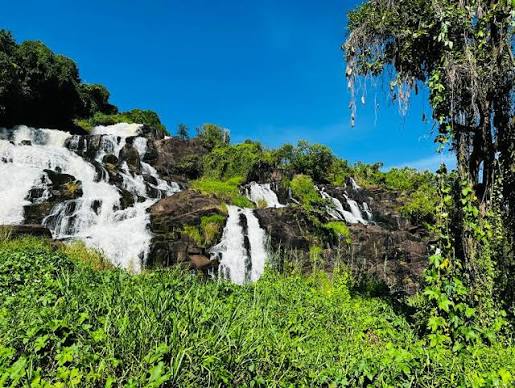
Uganda's broadly drier windows — roughly June to September and December to February — often simplify road access to Pader District and walking on rock shelves. Flow may be lower, but many travelers find the site safer and easier to explore — especially families or guests with tight schedules. Drier months align with peak international travel, so confirm guides and vehicles if your dates are fixed.
Rainy periods centered on March to May and October to November usually increase water volume — greener vegetation, more dramatic cascades, and atmospheric photography — but wet stone becomes hazardous and local approach roads slower. A 4×4 helps in rainy weeks. Aruu can still be excellent after rain — build margin into the day and follow guide advice on swimming and edges.
Northern weather may differ from what Murchison Falls or Kampala experience the same week. Check conditions for the Gulu–Kitgum corridor specifically.
Flow, swimming, and safety seasons
Swimming at Aruu — only where guides confirm safety — depends on pool depth, current, and submerged rocks that change with season. Wet months may look inviting but hide stronger flow; dry months may expose safer wading zones yet less dramatic falls. Never treat online photos as current safety guidance; local guides read the water daily.
Government and tourism reporting has noted infrastructure improvements planned for walkways and guardrails. Until fully in place, seasonal caution remains part of the visit — another reason drier walking months appeal to cautious travelers.
Route timing with Gulu, Kidepo, and Murchison
Aruu is most logical on Gulu–Kitgum–Kidepo routes or northern extensions linking Murchison Falls and Karuma Falls. Dry-season road comfort across the whole leg matters more than Aruu alone. If Kidepo wildlife drives start the morning after arrival, avoid an late Aruu stop the previous evening that delays lodge check-in.
Travelers basing in Gulu for a softer day trip can visit Aruu year-round with simpler logistics than cross-country transfers from Kampala — which remains impractical as a standalone Aruu day.
Photography and picnic seasons
Landscape photographers often prefer drier months when rock texture stays visible and spray does not overwhelm lenses — though rainy-season power suits videographers seeking dramatic flow. Picnickers and families similarly lean dry for safer footing. Conversely, guests who prioritize raw cascade volume accept wet-season slip risk in exchange for greener frames and fuller channels across the shelves. Talk to your guide the week before travel if weather forecasts shift.
Month-by-month snapshot
January–February: Often drier, easier rock walking, moderate flow; good for road trips toward Kidepo.
March–May: Rainier, dramatic water, slick rock — allow flexibility and grippy shoes.
June–August: Drier, peak travel season, confirm guides; comfortable walking when flow is moderate.
September: Transition month — workable, watch for early rains locally.
October–November: Second rainy peak possible; powerful falls but highest slip risk.
December: Holiday travel demand on northern routes; plan daylight buffers and confirm guides early.
For wildlife and casual birding detail, pair this page with our Aruu Falls wildlife and bird watching guides — each adds context for the same northern Uganda stop.