Safety and travel health at Aruu Falls
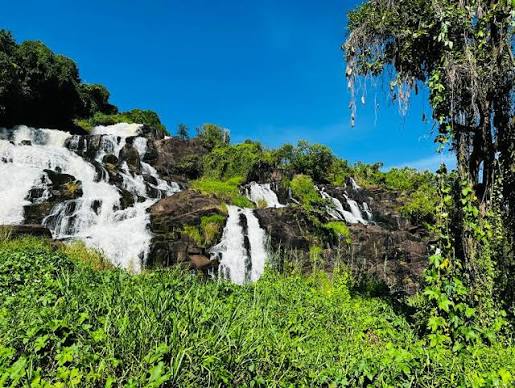
Aruu Falls is not a national park with armed rangers and marked trails — it is a community-used waterfall landscape on rock shelves near the Gulu–Kitgum highway in Pader District. Most safety concerns involve slippery stone, changing water conditions, and road pacing on northern Uganda routes toward Gulu, Kitgum, and Kidepo Valley National Park. With licensed operators, local guides, and sensible preparation, most visitors enjoy the site comfortably.
Rock shelves, edges, and walking safety
Wet rock injures more travelers at Aruu than any animal encounter. Wear shoes with reliable grip; move cautiously near spray zones; follow guide routes away from fast-water edges and steep drops. Infrastructure improvements — walkways, guardrails — have been reported in planning but may not be complete everywhere. Do not assume guardrails exist because other waterfalls like Sipi Falls offer more developed paths.
Keep children within arm's reach and well back from unapproved shelves. A single misstep on slimy stone can ruin a wider Kidepo or Murchison itinerary — pace the visit conservatively when rain fell recently.
Swimming and water hazards
Swimming may be possible in natural pools, but only where local guides confirm safety that day. Submerged rocks, currents, and slippery entries change with rainfall — especially after storms on the Acholi plateau. Never dive into unfamiliar pools or assume social-media photos reflect current depth. Multi-level cascades mean safe zones shift seasonally across the site.
Even strong swimmers should defer to guides who read the water daily. If in doubt, enjoy photography and picnics instead of immersion.
Guide use and site fees
A local guide is strongly recommended for meaningful visits — safe lines, swimming boundaries, cultural context, and current conditions. Unguided exploration across wet rock shelves is discouraged. Confirm fees and services before starting; support Acholi guides and vendors as part of responsible community tourism around Pader.
Road safety and northern Uganda transfers
Most visitors reach Aruu by private vehicle from Gulu or as part of longer legs from Kitgum or Kidepo. Avoid scheduling Aruu so late that onward drives fall after dark on unfamiliar roads. A 4×4 is useful in rainy periods or on rough approach roads; confirm conditions rather than assuming dry-season reports still apply.
From Kampala, the journey requires reaching Gulu first — five to seven hours — making standalone Aruu day trips impractical and unsafe from a fatigue standpoint. Professional driver-guides improve defensive driving on the Gulu–Kitgum corridor and at Karuma Falls bridge zones when combining Murchison routes.
Health, malaria, and medical access
Discuss malaria prophylaxis with a travel-health clinic for northern Uganda itineraries — risk varies by season and accommodation type, but prevention is commonly recommended for safari travel beyond brief capital stops. Carry personal medications, insect repellent, and sun protection. Nearest substantial medical services sit in Gulu — plan accordingly for minor injuries on rock.
Consult clinics for routine vaccines, yellow fever requirements, and travel insurance with evacuation cover before departure. We brief clients on emergency contacts while on safari.
Security and community relations
Northern Uganda tourism has rebuilt steadily after historical conflict — travelers overwhelmingly report welcoming community interactions when moving with reputable operators and respecting local norms. Ask before photographing people; avoid displaying valuables ostentatiously at busy site moments; follow guide advice on where visitors should not walk because of private land or unsafe edges.
Aruu remains a lived-in landscape — not a sealed attraction. Moderate noise, pack out litter, and treat bathing or fishing activity you encounter with respectful distance unless invited to engage.
Weather-related risk
Sudden storms increase flow and slipperiness faster than forecasts sometimes suggest. If rain intensifies during your visit, shorten the walk, exit via guide-approved routes, and allow extra road time returning to Gulu. Flash conditions on rock can change within minutes — flexibility beats stubborn checklist tourism.
Seasonal planning pairs with our best time to visit and weather and climate pages; practical packing on travel tips.