Introduction: Uganda Health Requirements for Safari Travelers
Planning a Uganda safari means thinking about wildlife, lodges, and drive times—but health preparation is what keeps the trip on track. Entry rules, vaccine certificates, malaria prevention, and simple hygiene habits matter as much as your gorilla permit date. This guide explains what most international travelers need before flying to Entebbe, what to arrange with a travel clinic, and how health rules affect trekking and game drives in the field.
Requirements change occasionally, so always confirm details with your government travel advisory, a registered travel-health clinic, and your airline before departure. The information below reflects widely published guidance for safari travelers visiting Uganda in 2025–2026.
Yellow Fever Certificate and Entry Rules
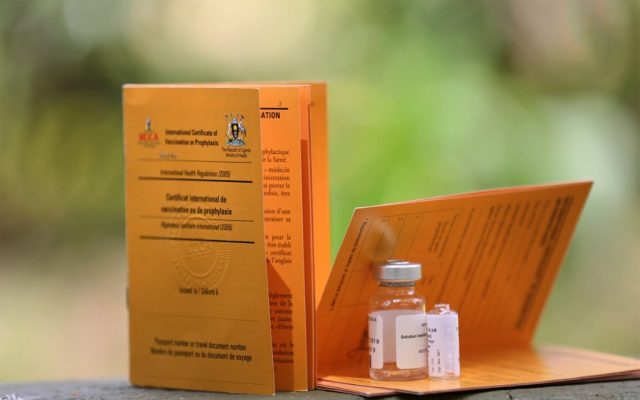
Uganda sits within the yellow-fever transmission zone. Under International Health Regulations, arriving travelers aged one year and older are generally required to show proof of yellow fever vaccination on an International Certificate of Vaccination or Prophylaxis (the “yellow card”). Immigration officers at Entebbe International Airport and at land borders routinely check this document.
Key practical points:
- The vaccine should be given at a registered yellow fever vaccination centre and validated with the centre’s official stamp.
- Protection is considered effective 10 days after vaccination—last-minute jabs before a flight are risky.
- WHO guidance treats the certificate as valid for life for most travelers; boosters are not routinely required solely because a certificate is older than ten years.
- Travelers with medical contraindications may need a formal medical waiver from an authorised centre rather than skipping documentation entirely.
If you transit through another yellow-fever-endemic country en route, carry the certificate even when your ticket shows a single arrival in Uganda. Airlines and border officials apply their own interpretation of transit rules. See our Uganda yellow fever requirements guide for more detail.
Malaria Prevention Across Uganda
Malaria risk exists throughout Uganda, including Kampala, Entebbe, forest parks, and savannah reserves. Safari travelers should not treat malaria as a “bush only” concern. Most travel-medicine specialists recommend prescription antimalarial tablets for visitors, combined with bite-avoidance measures.
Commonly discussed options include atovaquone–proguanil, doxycycline, and mefloquine. Chloroquine resistance is documented in the region, so older prophylaxis choices are usually inappropriate. A clinician chooses the best fit based on your health history, trip length, and other medications.
In the field, reduce exposure by:
- using DEET-based repellent on skin and permethrin-treated clothing where possible
- sleeping under insecticide-treated nets (most safari lodges provide them)
- covering arms and legs around dusk and dawn
- keeping windows closed or screened in budget accommodation without air conditioning
Seek urgent medical advice if you develop fever, chills, or flu-like symptoms during or after travel—even weeks later.
Routine and Recommended Vaccinations
Beyond yellow fever, clinics often review:
- Hepatitis A — food and water exposure in any destination.
- Hepatitis B — longer stays or medical procedures abroad.
- Typhoid — useful for travelers eating outside high-end lodge kitchens.
- Tetanus — ensure boosters are current before rough terrain walks.
- Rabies — considered for extended trips, village stays, or travelers who may handle animals; pre-exposure vaccine simplifies post-bite care.
- MenACWY meningitis — sometimes discussed for regional travel patterns.
- COVID-19 — check airline and Uganda entry policy at booking time.
Childhood vaccines should be up to date before family safaris. Gorilla and chimpanzee trekking carries strict illness rules: if you have respiratory symptoms, you may be denied trekking to protect primates. Read gorilla trekking permits and park briefing notes alongside this page.
Food, Water, and Stomach Illness
Reputable safari lodges and Entebbe hotels usually serve filtered water and cooked meals to international standards. Independent travelers in cities should prefer sealed bottled or treated water, peel fruit, and avoid ice of unknown origin.
Pack oral rehydration salts and a basic stomach kit discussed with your clinician. Travel insurance that covers medical evacuation is strongly advisable for remote park sectors such as Kidepo or southern Bwindi.
Altitude, Fitness, and Trekking Health
Southwestern Uganda’s volcano and rainforest trails reach elevations where steep climbs feel harder than the altitude number suggests. Bwindi and Mgahinga gorilla treks may involve muddy slopes, nettles, and several hours on foot. Reasonable cardio fitness reduces injury risk and improves enjoyment.
Travelers with heart conditions, pregnancy, or limited mobility should discuss trekking suitability early. Porters are available in gorilla sectors and are worth hiring for stability on wet trails.
When to See a Travel Clinic
Book a travel-health appointment four to eight weeks before departure when possible. That window allows multi-dose vaccines, malaria prescription, and review of your Uganda packing list, visa requirements, and itinerary pace.
Bring your full safari route—gorilla dates, chimp permits, lake activities, and any cross-border legs to Kenya, Rwanda, or Tanzania—so the clinician can tailor advice. Pair health planning with our travel insurance and emergency contacts guides for a complete pre-trip file.
First Aid Kit and Pharmacy Basics
Pack a compact kit discussed with your clinician: adhesive plasters, blister care, antiseptic, oral rehydration salts, sunblock, insect repellent, and any personal prescriptions in original labelled containers. Kampala and Entebbe pharmacies stock many generics, but remote lodge shops may not carry your specific medication—bring a surplus for gorilla-sector delays caused by weather or road conditions.
If you wear glasses, carry a spare pair. Contact lens users should plan for dusty savannah drives and smoky lodge fires in cool Bwindi evenings.
 Read
Read