Drinking Water in Uganda is one of the most common concerns for visitors planning a safari, business trip, volunteer program, cultural tour, or independent travel adventure in the Pearl of Africa. Questions about water safety are completely understandable, especially for first-time visitors to East Africa who may be unfamiliar with local infrastructure, health precautions, and travel conditions.
The good news is that traveling safely in Uganda is relatively straightforward when basic precautions are followed. Every year, hundreds of thousands of international visitors travel throughout Uganda, including remote safari destinations such as Bwindi Impenetrable National Park, Queen Elizabeth National Park, Murchison Falls National Park, Kibale Forest National Park, and Kidepo Valley National Park, without experiencing water-related health issues.
Understanding where drinking water comes from, which water sources are safe, what precautions should be taken, and what options are available during a safari can help travelers remain healthy and comfortable throughout their visit.
This comprehensive guide explains everything visitors need to know about safe drinking water in Uganda, including bottled water, filtered water, water quality, health recommendations, sustainability considerations, and practical advice for safari travelers.
Can You Drink Tap Water in Uganda?
One of the most frequently asked questions by travelers is whether tap water in Uganda is safe to drink.
In general, international visitors are advised not to drink untreated tap water directly. While municipal water systems in major towns and cities may be treated and suitable for local residents who have developed tolerance to local microorganisms, visitors may be more susceptible to stomach discomfort and waterborne illnesses.
For this reason, most hotels, lodges, tour operators, and health professionals recommend that travelers rely on:
- Bottled water
- Filtered water
- Purified water
- Boiled water
Using these sources greatly reduces the risk of gastrointestinal problems during travel.
Where Does Uganda’s Drinking Water Come From?
Uganda possesses abundant freshwater resources and is often referred to as one of Africa’s most water-rich countries.
Major water sources include:
- Lake Victoria
- Lake Albert
- Lake Kyoga
- Lake Edward
- River Nile
- Mountain streams
- Groundwater aquifers
- Protected springs
Municipal water systems draw water from these sources and treat it before distribution to homes, businesses, hotels, and institutions.
However, treatment standards, infrastructure conditions, and distribution systems vary between locations, making bottled or purified water the preferred choice for most visitors.
Is Bottled Water Readily Available in Uganda?
Yes. Bottled drinking water is widely available throughout Uganda and is the most common source of drinking water for international visitors.
Bottled water can be purchased in:
- Hotels
- Safari lodges
- Restaurants
- Supermarkets
- Convenience stores
- Petrol stations
- Airports
- Tourist centers
Even in relatively remote safari destinations, visitors generally have access to bottled drinking water.
Most safari operators routinely provide bottled water during game drives and transfers.
How Much Does Bottled Water Cost in Uganda?
Bottled water is relatively affordable compared to many international destinations.
Approximate prices include:
- 500ml bottle: USD 0.30–1.00
- 1.5-liter bottle: USD 0.80–2.00
- 5-liter container: USD 2–5
Prices may be slightly higher in remote safari lodges and national parks due to transportation costs.
Drinking Water During Uganda Safaris
Most organized safari packages include drinking water throughout the trip.
Safari operators typically provide:
- Bottled water in vehicles
- Refillable water stations
- Filtered drinking water
- Water during game drives
- Water during transfers
Travelers should confirm water arrangements when booking their safari.
Many premium safari companies now encourage the use of refillable bottles to reduce plastic waste.
Filtered Water at Safari Lodges
Many safari lodges have invested in modern water purification systems.
Depending on the lodge, drinking water may be provided through:
- Filtration systems
- UV purification systems
- Reverse osmosis systems
- Boiling and purification processes
Luxury lodges increasingly offer filtered water refill stations as part of their sustainability initiatives.
This reduces reliance on single-use plastic bottles while maintaining high safety standards.
Can You Brush Your Teeth with Tap Water?
In most hotels and lodges, many travelers brush their teeth using tap water without experiencing problems.
However, visitors who prefer extra caution may use bottled or filtered water for brushing.
This is particularly advisable for:
- Travelers with sensitive stomachs
- Young children
- Individuals with compromised immune systems
Using bottled water for brushing provides additional peace of mind.
Is Ice Safe in Uganda?
Ice safety depends on where it is produced.
Most reputable hotels, lodges, restaurants, and tourism establishments use purified or treated water when making ice.
In major tourist facilities, ice is generally considered safe.
If visiting very remote or informal establishments, travelers may choose to avoid ice if they are uncertain about the source.
Can You Drink Water During Gorilla Trekking?
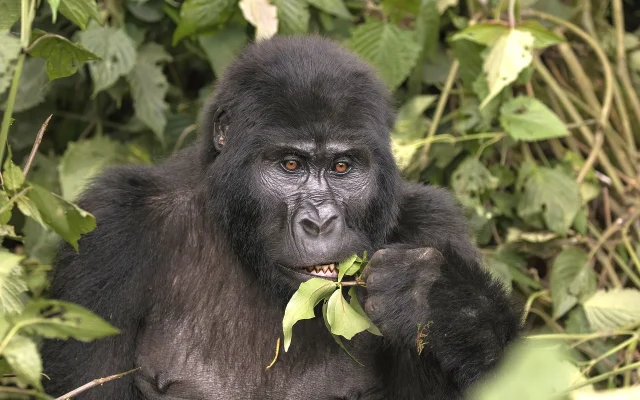
Absolutely. Staying hydrated is extremely important during Mountain Gorilla Trekking.
Treks can involve:
- Several hours of hiking
- Steep terrain
- Warm temperatures
- High humidity
Visitors are strongly encouraged to carry at least two liters of drinking water during gorilla treks.
Most trekkers bring bottled water or refillable bottles filled with purified water.
Can You Drink Water During Chimpanzee Trekking?
Like gorilla trekking, Chimpanzee Trekking often involves walking through tropical forests where temperatures and humidity can increase fluid requirements.
Visitors should carry sufficient water throughout the activity.
Guides routinely recommend hydration before, during, and after trekking experiences.
Safe Drinking Water in National Parks
Uganda’s national parks are wilderness environments where untreated natural water sources should generally not be consumed directly.
Visitors should avoid drinking from:
- Rivers
- Streams
- Lakes
- Ponds
- Wetlands
Even seemingly clean water may contain microorganisms that can cause illness.
Always use treated, filtered, purified, or bottled water instead.
Water Purification for Adventure Travelers
Some hikers, backpackers, birdwatchers, and expedition travelers prefer carrying personal water purification equipment.
Popular options include:
- Water purification tablets
- Portable water filters
- UV purification devices
- Filtered water bottles
These tools provide additional flexibility when traveling in remote areas.
Reducing Plastic Waste While Traveling
The tourism industry increasingly encourages environmentally responsible water consumption.
Many lodges now offer:
- Refill stations
- Filtered water dispensers
- Reusable water bottles
- Plastic reduction initiatives
Travelers can support sustainability efforts by carrying reusable bottles whenever possible.
Signs of Dehydration During a Safari
Uganda’s tropical climate, outdoor activities, and active safari schedules can increase the risk of dehydration.
Common symptoms include:
- Fatigue
- Headaches
- Dizziness
- Dry mouth
- Dark urine
- Reduced energy levels
Regular water intake is important throughout your trip.
How Much Water Should Safari Travelers Drink?
Daily hydration needs vary depending on climate, activity level, and individual health conditions.
Many safari travelers consume:
- 2–4 liters per day under normal conditions
- More during trekking activities
- Additional fluids in hot weather
Guides frequently remind guests to remain hydrated throughout excursions.
Drinking Water and Food Safety
Water safety is closely linked to food safety.
Travelers should:
- Wash hands regularly
- Consume food from reputable establishments
- Drink treated water
- Maintain good hygiene practices
These simple precautions significantly reduce health risks while traveling.
Water Safety for Families Traveling to Uganda
Families visiting Uganda with children should pay particular attention to hydration and water quality.
Parents are encouraged to:
- Use bottled or filtered water
- Carry water during activities
- Monitor hydration levels
- Pack oral rehydration salts if desired
With proper precautions, family travel in Uganda is generally very safe and enjoyable.
Common Myths About Drinking Water in Uganda
Several misconceptions exist regarding water safety in Uganda.
Common myths include:
- There is no safe drinking water available.
- All tap water is dangerous.
- Safari lodges lack purification systems.
- Visitors will inevitably become sick.
In reality, Uganda’s tourism infrastructure is well developed, and safe drinking water is widely available throughout major tourism destinations.
Health Recommendations Before Travel
Before visiting Uganda, travelers should consult healthcare professionals regarding:
- Vaccinations
- General travel health advice
- Malaria prevention
- Hydration recommendations
- Personal medical considerations
Preparation contributes significantly to a healthy and enjoyable safari experience.
Final Thoughts on Drinking Water in Uganda
Drinking Water in Uganda is generally safe when travelers follow standard precautions and rely on bottled, filtered, purified, or boiled water. Safe drinking water is widely available throughout Uganda’s tourism infrastructure, including hotels, lodges, restaurants, national parks, and safari vehicles.
Whether trekking mountain gorillas in Bwindi, tracking chimpanzees in Kibale Forest, exploring Murchison Falls National Park, or enjoying a cultural tour in Kampala, visitors can travel confidently knowing that clean drinking water is readily accessible throughout the country. By staying hydrated and following basic health recommendations, travelers can focus on enjoying the remarkable wildlife, landscapes, and hospitality that make Uganda one of Africa’s most rewarding destinations.
 Read
Read