
1 Day Tarangire National Park Safari (Tanzania)
Tanzania · Day trip elephant country
No-obligation proposal with named lodges, included permits and a complete safari price.
Tour overview
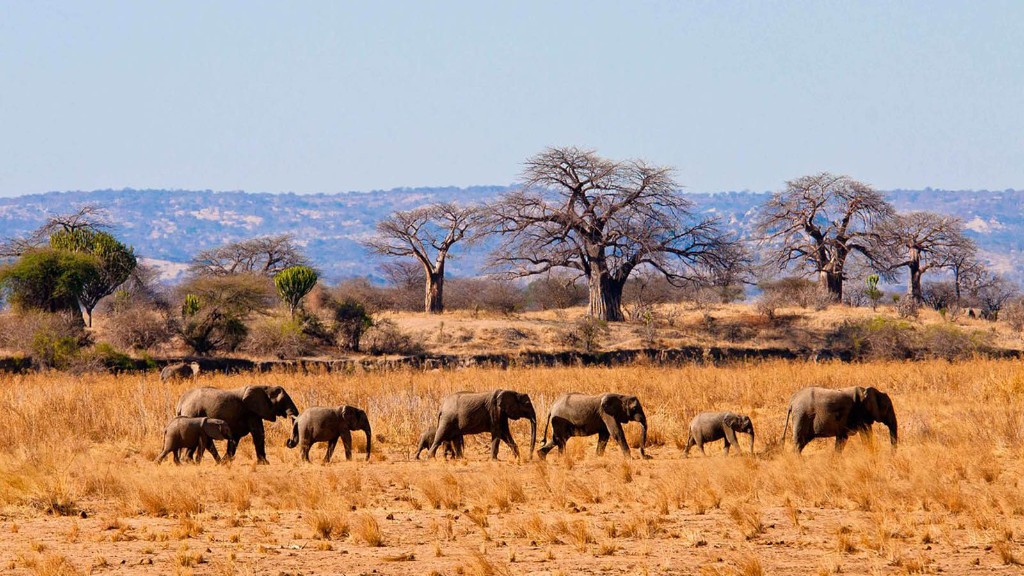
Tarangire National Park is the elephant capital of northern Tanzania — in the dry season (June–October) herds numbering hundreds press against the permanent Tarangire River, dwarfing the iconic baobabs that dot the landscape. This 1-day safari from Arusha or Moshi is the perfect Northern Circuit taster when you have only one day between Kilimanjaro climbs, flights or Zanzibar connections.
The drive takes roughly 2–2.5 hours each way via the Makuyuni gate. You enjoy a full-day game drive through riverine woodland and open grassland, targeting elephant, lion, leopard (shy), fringe-eared oryx, lesser kudu and prolific birdlife including yellow-collared lovebird and red-and-yellow barbet — then return the same evening.
Unlike the busier Serengeti and Ngorongoro circuits, Tarangire rewards day visitors with intimate sightings at close range — old elephant bulls with worn tusks, lion prides beneath flat-topped acacias, and landscapes of thousand-year-old baobabs that feel uniquely Tanzanian. Ideal as a standalone safari day or the first chapter of a longer Northern Circuit build-up.
Places you visit
Key stops along this itinerary — customise dates and lodges when you enquire.
- Arusha or Moshi (Start)
- Tarangire National Park
- Arusha or Moshi (End)
Day-by-day itinerary
Tarangire National Park full-day safari — elephant country from Arusha
Your private 4×4 safari vehicle and English-speaking driver-guide collect you from your hotel in Arusha or Moshi around 6:00–6:30 am — an early start that maximises wildlife activity along the river corridor and gives you a full morning in the park before the midday heat. Kilimanjaro International Airport (JRO) pick-ups are possible with tight scheduling; confirm flight times when booking, as afternoon departures require a 6:00 am collection and late-evening flights may incur a surcharge.
The drive southwest passes through maize fields, sunflower plots and Maasai grazing country on the Maasai Steppe — herders in red shúkà moving cattle between dry-season water points, roadside stalls selling roasted maize and fresh mangoes, and the distant blue silhouette of Mount Meru on clear mornings. You join the surfaced road toward Makuyuni village and the park's main gate, with total driving time of roughly 2–2.5 hours (approx. 120 km from Arusha; add 30–45 minutes from Moshi). A brief comfort stop at Makuyuni trading centre is common before gate registration.
On arrival at Tarangire National Park — Tanzania's sixth-largest park at 2,850 km², named for the permanent river that threads through acacia and baobab woodland — you register with Tanzania National Parks (TANAPA) rangers at the Makuyuni gate. Tarangire was gazetted in 1970 to protect a critical dry-season refuge for wildlife migrating out of the Maasai Steppe when seasonal waterholes fail. Today it holds one of East Africa's largest elephant populations — estimates exceed 3,000 individuals in peak season — and a landscape unlike anywhere else on the Northern Circuit: open grassland punctuated by ancient baobabs, riverine forest along the Tarangire River, and black cotton soil swamps in the south that attract buffalo, elephant and waterbuck year-round.
Your guide reads recent wildlife reports from ranger radio and other vehicles, then focuses the morning on the river corridor where dry-season concentrations peak. The permanent Tarangire River is the park's lifeline — in June through October, animals from across the ecosystem funnel here, creating wildlife densities that rival the Serengeti migration in intensity if not in scale. Zebra, wildebeest, impala, Grant's gazelle and buffalo gather in mixed herds along the banks; giraffe browse acacia tops; and elephant families cross and recross the muddy channels throughout the day.
The morning game drive (typically 3–3.5 hours) follows the network of tracks parallel to the river, where your guide positions the vehicle for close-range elephant encounters — old bulls with worn tusks, calves playing in dust baths, and bachelor herds resting in the shade of flat-topped acacias. Lions often rest in river shade beneath the same trees; leopards are resident but shy, most often spotted at dawn on sausage-tree branches where pythons also bask. Watch for fringe-eared oryx on open plains east of the river, lesser kudu in thickets, and banded mongoose at termite mounds. Tarangire holds the largest concentration of breeding species in Tanzania — over 550 bird species recorded — and the morning light is ideal for raptors including bateleur, martial eagle and tawny eagle overhead.

Safari activity | Full-day Tarangire game drive
Morning and afternoon drives along the Tarangire River and southern swamp zones — close-range elephant encounters, lion in river shade, fringe-eared oryx on open plains, and baobab-studded landscapes unique to this park. Your guide reads ranger reports and positions the vehicle for the best dry-season wildlife concentrations.
Photographers appreciate Tarangire's open light and relatively short distances between sightings — a strong contrast to the long drives sometimes needed in Serengeti. The park's signature baobabs (Adansonia digitata), some estimated at over 1,000 years old, frame elephant herds in compositions found nowhere else in Tanzania. Your guide knows individual lion prides by territory and can interpret elephant behaviour — ear flapping, head shaking and mock charges — so you observe safely at close range.
Break for picnic lunch at a designated site or picnic banda inside the park (lunch included in your package). Vegetarian and simple dietary requests can usually be accommodated with advance notice. Midday is quieter for predators but waterbirds and elephant activity continue along the river; some guides use the lunch stop to scan for leopards in sausage trees overhead.
The afternoon game drive (typically 2.5–3 hours) explores the swamp and baobab zones south of the river — Silale Swamp, Gursi Swamp and the Kitibong Hill sector where buffalo wallow in black cotton soil and elephant dig for minerals in dry riverbeds. Tarangire's landscape feels quieter than Ngorongoro or Serengeti but delivers intimate encounters at close range. Ashy starling — endemic to the Tarangire–Manyara ecosystem — forages in baobab branches alongside yellow-collared lovebird and red-and-yellow barbet; ground hornbills stride through grassland; and Verreaux's eagle-owl may roost in riverine trees near dusk.
Depart the park late afternoon (typically 4:30–5:00 pm) for the return drive to Arusha or Moshi, arriving between 7:00 and 8:30 pm depending on departure point and traffic. Sunset often catches you on the Maasai Steppe with Mount Meru glowing behind acacia silhouettes. This is a long but rewarding day, typically 12–14 hours door to door.
What to pack: Light breakfast before pick-up; binoculars; sun hat and sunscreen; neutral-coloured clothing; comfortable closed shoes; a light jacket for the cool early start; camera with zoom lens (200–400 mm ideal for elephant portraits); small daypack. TANAPA park fees are included in your package — carry passport for gate registration. Optional extras (book in advance) include a night game drive at a lodge outside the park boundary, a walking safari with an armed ranger in the buffer zone, or an overnight at Tarangire Treetops or Swala Camp to extend into a 2–3 day Northern Circuit build-up.
Extension options
- 2–3 day add-on: Overnight at Tarangire Treetops, Swala Camp, or Karatu lodge and combine with Ngorongoro Crater
- Airport timing: JRO afternoon departures require 6:00 am pick-up; late flights only with surcharge
- Kilimanjaro trek add-on: Ideal rest-day safari between acclimatisation hikes or post-summit celebration

 Day 1 | Accommodation
What's included
- Private 4×4 safari vehicle and English-speaking driver-guide
- Tarangire National Park entrance fees
- Full-day game drive
- Picnic lunch and bottled water


What's not included
- Accommodation (day trip)
- International flights and Tanzania visa
- Travel insurance
- Drinks, tips and personal expenses
- Optional stop at Maasai market en route


Accommodation & comfort level
Day trip — no overnight. Ideal before/after a Kilimanjaro trek or as a single safari day on a Northern Circuit build-up. We can add a night in Tarangire if you extend to 2–3 days.
Request Pricing & booking information
Request Quote: Fill in the contact form below.
You may also like
3 Days Tarangire & Ngorongoro Crater Safari (Tanzania)
Tarangire, Ngorongoro Crater, Karatu / Ngorongoro Highlands, Arusha
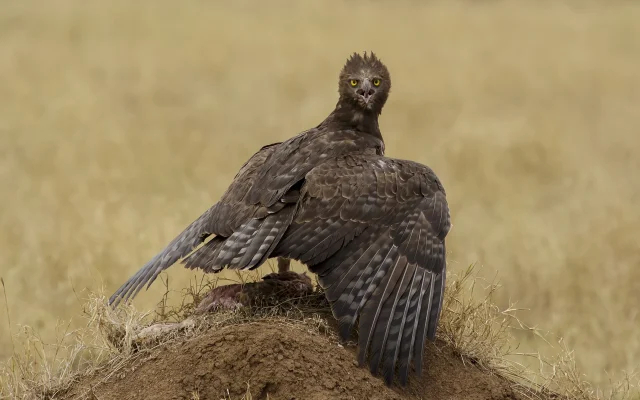
This compact 3-day Northern Circuit safari pairs two of Tanzania's most contrasting landscapes: the baobab-studded elephant country of Tarangire and the wildlife-rich floor of the Ngorongoro Crater —…
8 Days Zanzibar Honeymoon Holiday
Abeid Amani Karume Airport, Zanzibar, Stone Town, Zanzibar, Spice plantation, North or east-coast beach lodge, Jozani-Chwaka Bay NP, ZNZ Airport
An 8-day Zanzibar honeymoon pairs UNESCO Stone Town culture with private beach time on Unguja's north or east coast — the classic Indian Ocean finale after a mainland safari or Kilimanjaro climb. Expe…
7 Days Zanzibar Island Holiday
Stone Town, Spice plantation, Jozani-Chwaka Bay, Paje, east coast, Nungwi / Kendwa, north coast, ZNZ Airport
A full 7-day Zanzibar island holiday — Stone Town, spice farms, Jozani forest, east-coast tides in Paje, and north-coast reef time. The complete Unguja circuit for travellers who want culture, nature,…