
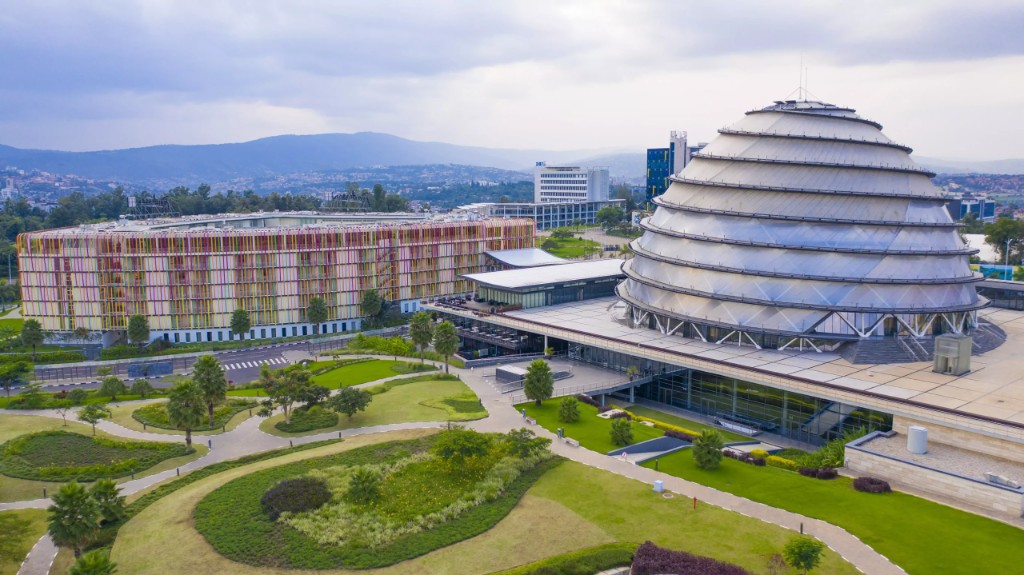
Tour overview
Kigali is one of Africa’s cleanest and safest capitals — and this 1-day Kigali city tour unpacks Rwanda’s modern story without rushing. You visit the Kigali Genocide Memorial at Gisozi (allow 1.5–2 hours; it is emotionally heavy but essential context), then contrast recovery with vibrant neighbourhoods: the Kimihurura diplomatic quarter, Nyarutarama golf-course lake walk, and the Caplaki craft village for wood carvings and Imigongo art.
Lunch is often taken at a city restaurant serving Rwandan brochettes and plantains; afternoon options include the Campaign Against Genocide Museum at the parliamentary grounds or a coffee cupping at a local roastery. The tour suits airport layovers (Kigali International Airport is 15 minutes from the memorial) or pre-gorilla briefing days.
Places you visit
Key stops along this itinerary — customise dates and lodges when you enquire.
- Kigali International Airport or hotel (Start)
- Kigali Genocide Memorial, Gisozi
- Caplaki Craft Village
- Presidential Palace Museum or Inema Arts Centre
- Kigali (End)
Day-by-day itinerary
Kigali city highlights — memorial, crafts and contemporary Rwanda
Your private vehicle and English-speaking city guide collect you from your Kigali hotel or Kigali International Airport (KGL) after breakfast — typically between 8:00 and 9:00 am for hotel guests, or on arrival for layover travellers whose luggage can be stored in the vehicle. Kigali sits on a ridge roughly 1,600 metres above sea level; mornings are cool and clear, afternoons warm. The city spreads across several hills linked by wide, paved boulevards — a deliberate contrast to the chaotic capitals many visitors expect from East Africa.
Your guide introduces the day's route through Kigali — a compact capital of roughly 1.2 million people rebuilt since 1994 into one of the continent's most orderly cities, with traffic lights that drivers actually obey, monthly community clean-up days (Umuganda), plastic-bag bans enforced since 2008, and a thriving café culture along the KN 3 Road corridor. The tour is structured as cultural orientation: you hear how Rwanda moved from catastrophe to one of Africa's fastest-growing economies, with annual GDP growth often exceeding regional averages and a governance model that prioritises security, infrastructure and tourism investment ahead of sprawling informal settlement.
Morning — Gisozi and the weight of history: Begin at the Kigali Genocide Memorial in Gisozi — Rwanda's principal remembrance site and the burial place of more than 250,000 victims from the 1994 genocide against the Tutsi. The memorial opened in 2004 on land donated by the city; its permanent exhibition walks visitors through pre-colonial Rwanda, the Belgian introduction of identity cards in 1932, the cycles of violence from 1959 onward, the hundred days of killing between April and July 1994, and the painstaking reconstruction that followed. Audio guides (available in English, French, Kinyarwanda and other languages) lead you through indoor galleries with photographs, personal testimonies and children's portraits, then out to the rose gardens and mass graves where families still leave flowers on anniversaries.
Allow 1.5–2 hours; the experience is emotionally heavy but essential context for everything you will see later in the day — the spotless streets, the new apartment blocks in Kimihurura, the young professionals in coffee shops, and the national motto Ubumwe, Umurimo, Gukunda Igihugu (Unity, Work, Patriotism) displayed on public buildings. Your guide gives space for reflection and will not rush you through the gardens. Photography is permitted in most outdoor areas but restricted in certain indoor galleries — follow on-site signage.

Cultural visit | Kigali Genocide Memorial
Audio-guided tour through permanent exhibits and the memorial gardens — Rwanda's most important historical site and a sobering introduction to the events of 1994 and the recovery that followed.
Mid-morning — hills, viewpoints and the new Kigali: Leave Gisozi and drive south toward central Kigali, pausing at the Mount Kigali viewpoint for panoramic photos over the city basin — on clear days you can trace the dome of the Kigali Convention Centre, the glass tower of Kigali City Tower, and the forested slopes that give the capital its nickname as the city of a thousand hills. Your guide explains the 2008–2012 Kigali master plan: how informal settlements were progressively upgraded, how zoning separated commercial, diplomatic and residential districts, and how pedestrian walkways and roundabouts replaced the gridlock that characterised the immediate post-war years.
Continue to Caplaki Handicrafts Cooperative near the city centre — a cluster of stalls where artisans sell wood carvings (gorillas, masks, bowls), woven agaseke baskets once used as engagement gifts, beaded jewellery, and Imigongo geometric paintings made with cow-dung pigment in black, white and ochre patterns traditional to the eastern province. Prices are fixed at many stalls but polite negotiation is common; buying directly supports cooperative members rather than airport souvenir shops. Ask your guide to explain the difference between tourist-grade carvings and workshop pieces made for local ceremonies — the conversation is part of the cultural experience.
Drive through Kimihurura — Kigali's diplomatic quarter where embassies, UN agencies and upscale apartment blocks line quiet streets — and stop at the Nyarutarama golf-course lake walk if time allows. This leafy neighbourhood embodies Kigali's aspirational middle class: joggers on paved paths, expatriate families at weekend brunch, and views across the fairways toward the Virunga volcanoes on exceptionally clear mornings. Street-life photography is rewarding here without intruding on private residences.
Cultural activity | Kigali city tour
Guided circuit through Gisozi memorial, Mount Kigali viewpoints, Caplaki crafts, Kimihurura diplomatic quarter and Nyarutarama — the essential cultural introduction to Rwanda before or after your gorilla trek.
Kigali city tour callout: Unlike a checklist hop-on hop-off circuit, this day is paced for understanding. Your guide sequences stops so the memorial's gravity is balanced by craft markets, hilltop views and neighbourhood walks that show how ordinary Rwandans live today. Traffic on KN 3 Road and around the city centre is generally manageable compared with Nairobi or Kampala, but we still cluster morning sights in the Gisozi–city axis and save Kanombe or Inema for the afternoon to avoid backtracking. Layover travellers with evening flights can be dropped at KGL by 16:00–17:00; those overnighting before a gorilla trek in Volcanoes National Park often use this day to acclimatise, collect permits and rest before the long drive to Kinigi the following morning.
Lunch — Rwandan flavours in the capital: Break for lunch at a city restaurant serving brochettes (goat or beef skewers grilled over charcoal), ibitoke (plantain), ugali or rice with bean sauce, and fresh passion-fruit juice. Popular districts for lunch include Nyarutarama, Kiyovu and the Kacyiru area near government offices. Vegetarian options typically include grilled plantain, bean stew, avocado salad and fresh fruit. Lunch is included in your package; dietary requests should be noted at booking.
Afternoon — palace history or contemporary art: Choose based on opening hours and your interests. The Presidential Palace Museum in Kanombe preserves the former residence of President Juvénal Habyarimana — the French-built compound where the presidential jet was shot down on 6 April 1994, the event that triggered the genocide. Guided tours include the crash-site debris, the underground bunker, and rooms frozen in late-1980s décor, offering a chilling counterpoint to the memorial's mass-scale narrative. Alternatively, visit Inema Arts Centre in Kacyiru for contemporary Rwandan painting, sculpture and dance performances — a vibrant symbol of creative recovery founded by brothers Emmanuel Nkuranga and Innocent Nkurunziza in 2012.
If time allows, add the Campaign Against Genocide Museum at the parliamentary grounds in Kimihurura — a smaller, focused exhibition on the Rwandan Patriotic Front's military campaign to stop the killings in July 1994 — or a brief stop at Kimironko Market for fabrics, spices and the sensory bustle of Kigali's largest open-air market. Your guide adjusts the afternoon leg so you are not rushed before hotel check-in or airport transfer.
Late afternoon — coffee and departure: Cap the day with a stop at Question Coffee on KG 7 Avenue or another local roastery for Rwanda's specialty washed Arabica — the country exports some of Africa's finest beans from highland cooperatives in Gisenyi, Huye and Nyamasheke. A cupping session (if scheduled) walks you through fragrance, acidity and body; even a simple espresso illustrates why Rwandan coffee scores consistently above 85 points on international cupping tables. Return to your hotel or KGL by early evening (typically 17:00–18:00).
What to wear: Modest, comfortable clothing for the memorial (shoulders covered); walking shoes for garden paths and viewpoint steps; light jacket for cool mornings at altitude. Small notes for craft purchases; photography is restricted in parts of the memorial and palace museum — follow your guide's advice. The Rwandan franc (RWF) is the local currency; USD and cards are widely accepted in Kigali restaurants and hotels.
Duration: 7–8 hours door to door
Drive time: Short hops between districts (10–30 minutes per leg; total driving approx. 2 hours)
Walking: Moderate — memorial gardens, craft village and lake path; comfortable shoes recommended
Meals: Lunch included (breakfast before tour; dinner on your own)
Accommodation: Day tour — no overnight included unless booked separately
 Day 1 | Accommodation
What's included
- Private vehicle and English-speaking guide
- Kigali Genocide Memorial entrance
- Presidential Palace or art centre entry (one site)
- Lunch at a city restaurant
- Bottled water


What's not included
- Rwanda visa / East Africa Tourist Visa
- Travel insurance, tips and personal shopping
- Accommodation (day tour)


Accommodation & comfort level
Day tour — we can book Kigali hotels (Heaven Boutique, Kigali Marriott, or Urbn C) if you are overnighting before Volcanoes.
Request Pricing & booking information
Request Quote: Fill in the contact form below.
You may also like
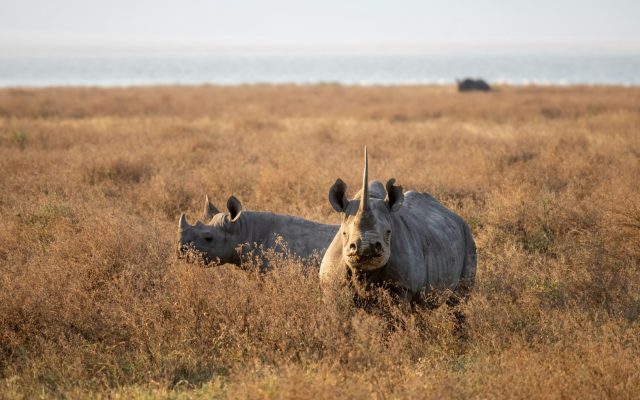
2 Days Akagera National Park Safari
Entebbe (Start, End)
Akagera National Park is Rwanda's only savannah Big Five destination — a conservation comeback story on the Tanzania border where lions, rhinos, elephants, buffalo, and leopards share acacia woodland…
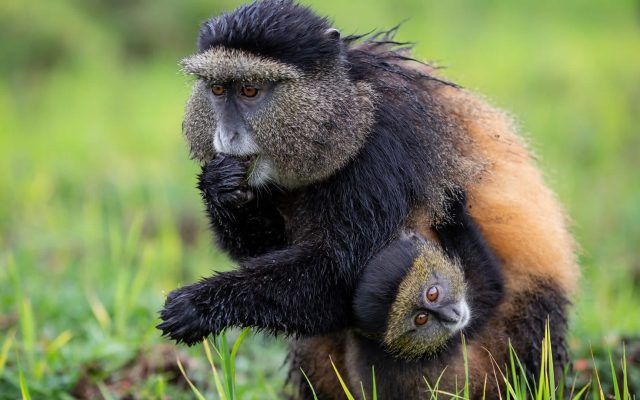
2 Days Golden Monkey Trekking (Rwanda)
Volcanoes NP, Kigali, Entebbe
Rwanda's golden monkeys (Cercopithecus mitis kandti) are Albertine Rift endemics found only in the Virunga Massif bamboo zones. This compact 2-day golden monkey trekking package bases you near Kinigi…
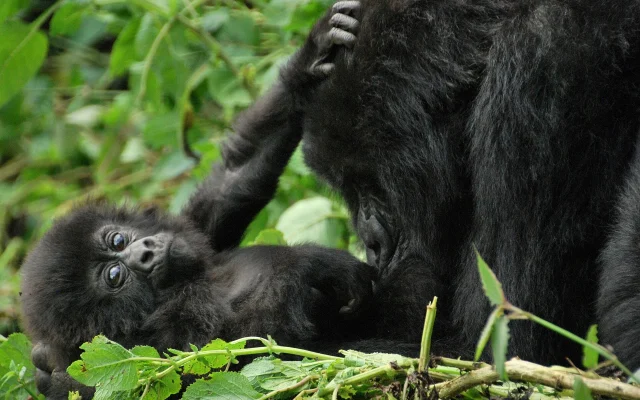
3 Days Rwanda Gorilla Safari
Optional Kigali Genocide Memorial, Musanze / Kinigi, Kigali
The classic 3-day Rwanda gorilla safari — the itinerary Rwanda built its tourism reputation on. Arrive Kigali, transfer to Volcanoes National Park, trek mountain gorillas from Kinigi, and return with…