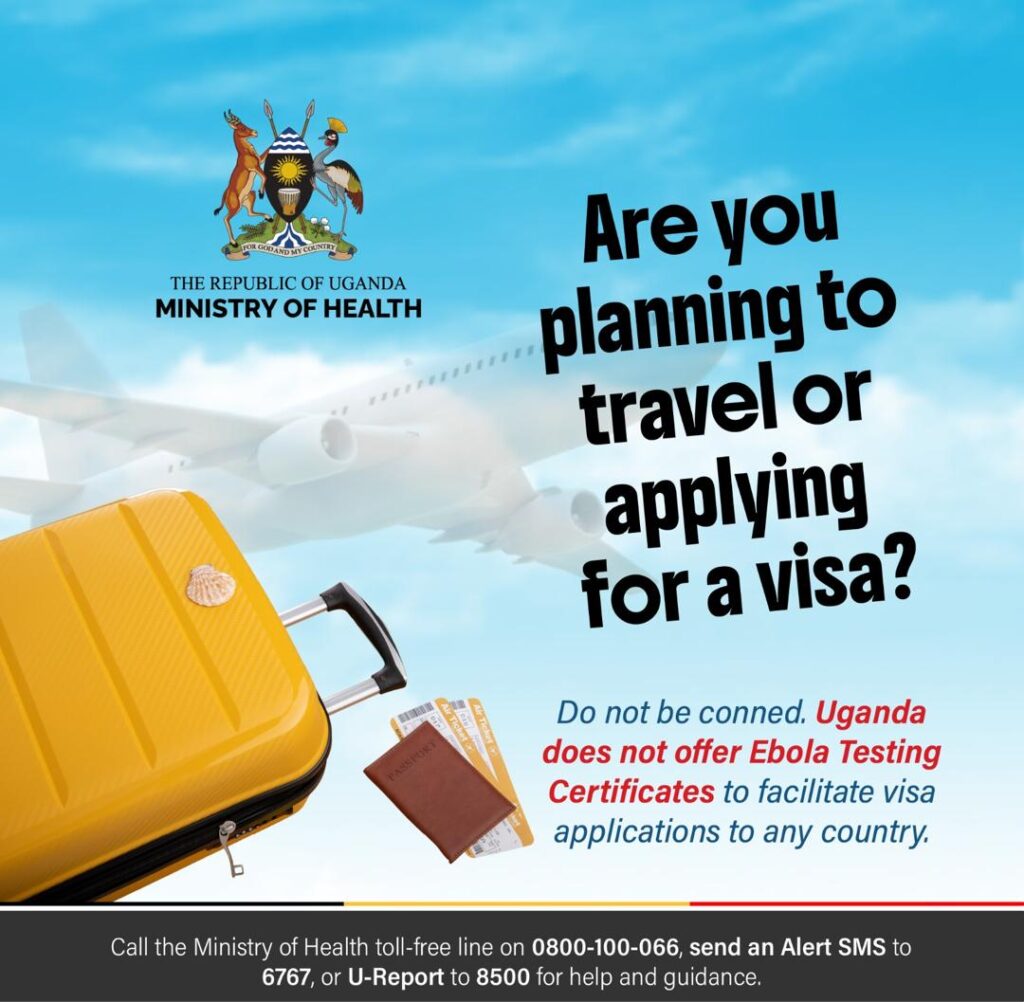
Introduction: Uganda Vaccination Requirements
Uganda Vaccination Requirements provide essential health information for travelers planning a safari or visit to the Pearl of Africa. Uganda is a tropical destination, and certain vaccinations and health precautions are recommended or required to ensure safe and healthy travel.
Understanding vaccination requirements helps travelers prepare properly before entering Uganda, especially for activities such as gorilla trekking, chimpanzee tracking, and wildlife safaris in national parks.
Is Vaccination Required to Enter Uganda?
Yes, some vaccinations are required while others are strongly recommended. The most important mandatory requirement is the yellow fever vaccination certificate.
Travelers may be asked to present proof of vaccination upon arrival at Entebbe International Airport or at border entry points.
Mandatory Vaccination for Uganda Entry
Yellow Fever Vaccination
Yellow fever vaccination is required for all travelers entering Uganda.
- Must be administered at least 10 days before travel.
- International Yellow Fever Certificate is required.
- Valid for life once administered.
Failure to present proof may result in denial of entry or vaccination at the airport.
Recommended Vaccinations for Uganda Travel
While not mandatory, the following vaccinations are strongly recommended:
- Hepatitis A
- Hepatitis B
- Typhoid
- Tetanus
- Rabies (for extended stays or wildlife exposure)
These vaccinations help protect travelers from common travel-related illnesses.
Malaria Prevention
Uganda is a malaria-risk country, especially in lowland and forest areas.
Travelers are advised to:
- Take anti-malarial medication before and during travel.
- Use insect repellent regularly.
- Wear long-sleeved clothing in the evening.
- Sleep under mosquito nets where provided.
Malaria prevention is essential for all safari travelers.
COVID-19 and Other Health Requirements
COVID-19 travel restrictions have eased, but travelers should:
- Check for updated entry guidelines before travel.
- Maintain basic hygiene practices during travel.
- Follow health advisories issued by authorities.
Additional health requirements may be updated periodically.
Health Risks During Uganda Safaris
Common health risks include:
- Malaria in forest and savannah regions.
- Sun exposure during game drives.
- Dehydration during trekking activities.
These risks are manageable with proper preparation.
Travel Health Kit for Uganda
Recommended items include:
- Anti-malarial medication
- Pain relievers and basic medication
- Insect repellent
- Sunscreen
- Hand sanitizer
A personal health kit ensures comfort during safari travel.
Health Requirements for Gorilla Trekking
Gorilla trekking has additional health precautions:
- Do not trek if you have flu or contagious illness.
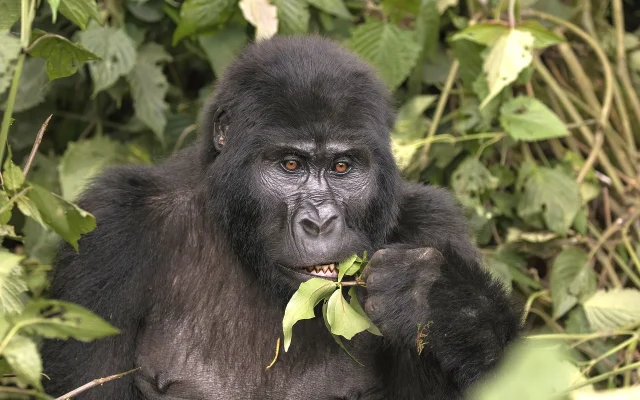
- Maintain a safe distance from gorillas (minimum 7 meters).
- Wear masks in the presence of gorillas (required in some parks).
These measures protect both visitors and gorillas.
Medical Facilities in Uganda
Medical services are available in major towns such as Kampala and Entebbe. Remote safari areas have limited facilities, so travel insurance with medical evacuation coverage is recommended.
Who Should Be Extra Careful?
- Pregnant travelers.
- Individuals with chronic illnesses.
- First-time tropical destination travelers.
- Long-stay visitors in rural areas.
Consult a healthcare provider before travel for personalized advice.
Best Time to Ensure Safe Health Conditions
Uganda is safe year-round, but dry seasons offer more comfortable travel conditions:
- June to August
- December to February
These months reduce exposure to muddy conditions and insect activity.
Why Vaccination Matters for Uganda Safaris
Vaccinations protect travelers from preventable diseases and ensure smooth entry into Uganda. They are an essential part of responsible travel preparation.
Proper health preparation enhances safety, comfort, and overall safari enjoyment.
Why Book with Adventure in the Wild Safaris?
At Adventure in the Wild Safaris, we guide travelers on all Uganda Vaccination Requirements and health preparations before travel. We ensure clients receive up-to-date travel advice and connect them with reliable pre-travel health resources.
Our team prioritizes traveler safety and provides detailed pre-departure guidance for all safari bookings.
With proper health preparation, your Uganda safari becomes a safe and unforgettable experience.
Recommended Routine Vaccines
CDC and WHO recommend hepatitis A and B, typhoid, tetanus, and routine MMR updates for Uganda travel. Rabies pre-exposure series suits longer stays or veterinarians handling animals. Yellow fever is mandatory for entry from endemic zones—see yellow fever requirements.
Malaria and Other Prophylaxis
Malaria exists countrywide below roughly 1,500 m elevation. Discuss atovaquone-proguanil, doxycycline, or mefloquine with travel clinic 4–6 weeks pre-trip. No vaccine replaces bite prevention—repellent, long sleeves at dusk, and treated nets in budget lodging.
Planning Your Clinic Visit
Bring itinerary with park altitudes, pregnancy status, and medication list. COVID and meningitis advice may update seasonally—verify before departure. Consolidate with health requirements and entry requirements.
Children’s Vaccines
Family travelers should verify pediatric schedules with clinic—some adult vaccines unsuitable for infants. Gorilla age floor 15 simplifies youngest traveler vaccine planning.
Travel Clinic Timing
Book clinic six weeks ahead for multi-vaccine schedules; yellow fever ten days minimum before entry. Some travelers need hepatitis B series across two visits—start early.
Keep vaccination record in passport pouch—not checked luggage—to show at Entebbe if asked.
Altitude on gorilla treks is moderate (1,500–2,600 m)—most travelers acclimatise without issue; discuss heart conditions with physician.
Planning Your Next Steps
Uganda rewards travelers who book permits early, pack for equatorial weather swings, and choose realistic drive times between parks. Cross-check this guide with our Uganda travel guide, safari planning workflow, and travel tips before you confirm flights. Gorilla and chimp dates should anchor your calendar; everything else—lodges, vehicles, cultural stops—fits around those fixed permit mornings.
Licensed operators provide itemised quotes separating park fees, permits, and lodging so you compare offers fairly. Shoulder seasons often deliver excellent wildlife with fewer vehicles on savannah tracks and more permit flexibility in the forest. Travel insurance, yellow fever documentation, and a working local SIM remain essentials regardless of month or budget tier.
 Read
Read