Introduction: Uganda Travel Tips
Uganda Travel Tips help visitors prepare for a safe, enjoyable, and well-organized journey to the Pearl of Africa. Whether you are going on a gorilla trekking adventure, wildlife safari, cultural tour, or city exploration, these practical tips will help you make the most of your trip.
Uganda is a rewarding destination, but good preparation ensures comfort, safety, and a richer travel experience.
1. Plan Your Safari in Advance
- Book gorilla trekking permits early due to high demand.
- Confirm accommodation and transport before arrival.
- Work with a licensed tour operator for better coordination.
2. Best Time to Visit Uganda
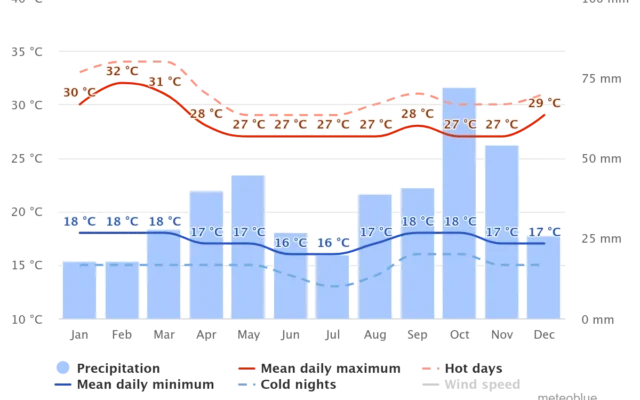
- June to August (best wildlife viewing conditions).
- December to February (dry and comfortable season).
These seasons are ideal for safaris and outdoor activities.
3. Pack Smart for Uganda
- Lightweight clothing for warm weather.
- Warm layers for early morning game drives.
- Waterproof jacket for rain protection.
- Comfortable hiking boots for trekking.
4. Health Precautions
- Take malaria prevention medication.
- Carry insect repellent and sunscreen.
- Drink bottled or treated water.
- Ensure yellow fever vaccination is done.
5. Money and Payments
- US dollars widely accepted (clean, newer notes preferred).
- Ugandan Shilling (UGX) is the local currency.
- Mobile money is widely used in Uganda.
- Carry cash for rural areas and small purchases.
6. Transportation Tips
- Use 4×4 safari vehicles for national parks.
- Road travel is common between destinations.
- Domestic flights are available for long distances.
- Avoid night travel in rural areas.
7. Safari Etiquette
- Follow guide instructions at all times.
- Do not feed or disturb wildlife.
- Keep noise levels low during game drives.
- Respect park rules and regulations.
8. Gorilla Trekking Tips
- Minimum age is 15 years.
- Wear hiking boots and long clothing.
- Carry rain gear and gloves.
- Stay at least 7 meters from gorillas.
9. Safety in Uganda
- Uganda is generally safe for tourists.
- Use registered tour operators.
- Avoid isolated areas at night.
- Keep valuables secure in cities.
10. Communication and Internet
- Buy a local SIM card (MTN or Airtel).
- Internet coverage is good in cities and parks.
- Mobile money services are widely available.
11. Cultural Respect
- Dress modestly in rural areas.
- Ask permission before photographing people.
- Respect elders and local customs.
- Learn basic greetings in local languages if possible.
12. Wildlife Viewing Tips
- Best viewing is early morning and late afternoon.
- Bring binoculars and a good camera.
- Stay patient during game drives.
- Follow ranger guidance for safety.
13. Accommodation Tips
- Choose lodges based on location and comfort level.
- Book early during peak seasons.
- Check for amenities like power, Wi-Fi, and meals.
14. Budgeting for Your Trip
- Budget safaris start around $600 for short trips.
- Midrange safaris offer the best value for comfort.
- Luxury safaris provide exclusive experiences.
Frequently Asked Questions
Is Uganda safe for tourists?
Yes, Uganda is safe when proper travel precautions are followed.
What should I avoid in Uganda?
Avoid night travel in remote areas and respect wildlife rules.
Do I need a guide in Uganda?
Yes, guides are highly recommended for safaris and trekking.
What is the best advice for first-time visitors?
Plan early, pack properly, and travel with a trusted operator.
Conclusion
Uganda Travel Tips ensure that visitors enjoy a smooth, safe, and unforgettable safari experience. With proper preparation, Uganda offers incredible wildlife, culture, and adventure opportunities.
Following these tips will help you maximize your journey through the Pearl of Africa.
Cultural Etiquette
Greet before asking questions; use right hand for exchanges where local custom applies. Dress modestly outside beach resorts; ask before photographing people. Learn a few Luganda or Swahili phrases—effort is appreciated. Deeper context in Uganda culture and cultural tours.
Staying Healthy on the Road
Drink sealed bottled water, peel fruit, use repellent from dusk, and take malaria prophylaxis as prescribed. Sun at Equator intensity burns quickly on boat cruises. Carry oral rehydration salts on trek days.
Money, Connectivity, and Safety
Withdraw or exchange modest cash increments; avoid displaying large USD wads in markets. Register local SIM for maps and operator WhatsApp. Use licensed taxis in Kampala at night. Full prep via travel checklist and currency guides.
Tipping Norms
Tip driver-guides USD 10–15 per guest per day, porters USD 15–20 per trek, lodge staff USD 5–10 per day in shared tip boxes where posted.
Photography Consent
Ask before photographing people, military installations, or government buildings. Gorilla and chimp rules ban flash—master low-light settings beforehand. Drone use requires permits; flying without approval risks fines and deportation.
Bargaining and Markets
Fixed prices dominate lodge gift shops; craft markets expect polite negotiation—start friendly, not aggressive. Compare similar baskets before committing.
Carry toilet paper and hand gel in daypack—remote picnic stops and public facilities vary in supplies.
Planning Your Next Steps
Uganda rewards travelers who book permits early, pack for equatorial weather swings, and choose realistic drive times between parks. Cross-check this guide with our Uganda travel guide, safari planning workflow, and travel tips before you confirm flights. Gorilla and chimp dates should anchor your calendar; everything else—lodges, vehicles, cultural stops—fits around those fixed permit mornings.
Licensed operators provide itemised quotes separating park fees, permits, and lodging so you compare offers fairly. Shoulder seasons often deliver excellent wildlife with fewer vehicles on savannah tracks and more permit flexibility in the forest. Travel insurance, yellow fever documentation, and a working local SIM remain essentials regardless of month or budget tier.

 Read
Read