

Introduction: Best Time to Visit Each Destination for Wildlife Safaris
Uganda vs Kenya Safari Timing is a detailed comparison guide that helps travelers choose the best time to visit either Uganda or Kenya for wildlife safaris, gorilla trekking, birdwatching, and photography experiences. Both destinations offer year-round safari opportunities, but seasonal differences significantly affect wildlife visibility, weather conditions, and travel experience.
Understanding safari timing is essential for planning gorilla trekking in Uganda or witnessing the Great Migration in Kenya’s Maasai Mara.
Uganda Safari Timing Overview
Uganda has two main safari seasons:
- Dry seasons: June to August and December to February
- Wet seasons: March to May and September to November
Each season offers unique advantages depending on safari interests.
Best Time for Uganda Safaris
- June–August: Best overall wildlife viewing and gorilla trekking conditions.
- December–February: Peak safari season with dry weather and clear trails.
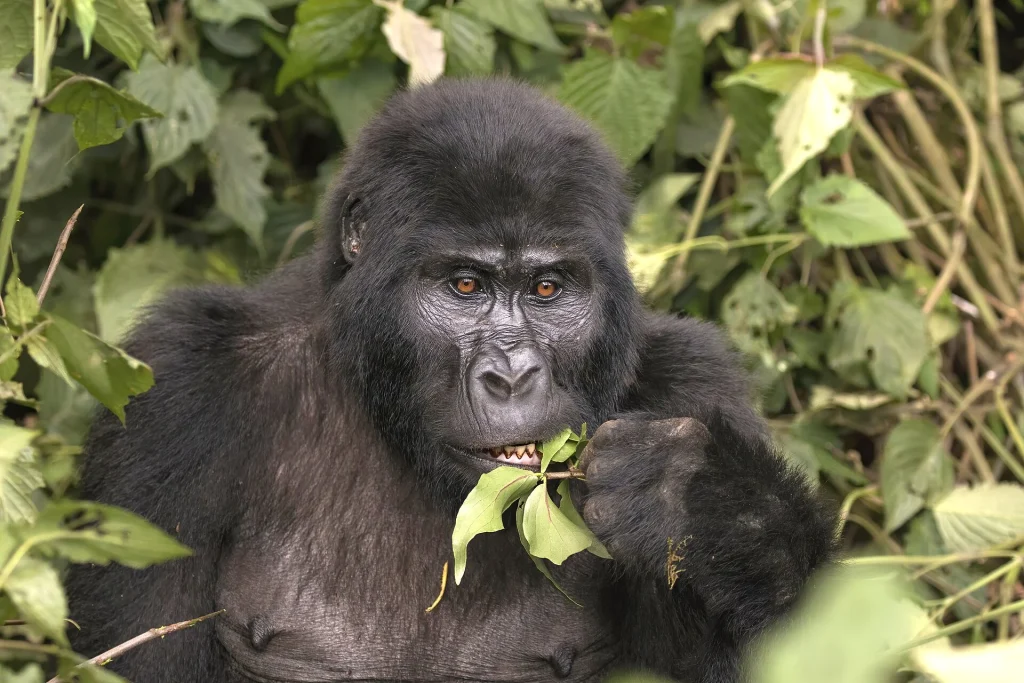
These months are ideal for gorilla trekking in Bwindi and wildlife safaris in Queen Elizabeth and Murchison Falls National Parks.
Low Season in Uganda
- March–May: Heavy rains, fewer tourists, lush green landscapes.
- September–November: Short rains and excellent birdwatching.
Low season offers lower prices and fewer crowds.
Kenya Safari Timing Overview
Kenya also experiences two main seasons:
- Dry seasons: June to October and January to February
- Rainy seasons: March to May and November to December
Best Time for Kenya Safaris
- July–October: Peak Great Migration in Maasai Mara.
- January–February: Excellent wildlife viewing with dry conditions.
Kenya’s dry seasons offer the best game viewing across national parks.
Low Season in Kenya
- March–May: Long rains and lower tourist numbers.
- November–December: Short rains with occasional travel discounts.
This is the best time for budget travelers.
Gorilla Trekking Timing (Uganda Only)
Uganda offers year-round gorilla trekking, but timing matters:
- Best months: June–August and December–February
- Dry trails make trekking easier and more comfortable.
Wet seasons are still possible but involve more challenging hiking conditions.
Great Migration Timing (Kenya Only)
Kenya is famous for the Great Migration in the Maasai Mara:
- July–October: River crossings and peak migration activity
- January–March: Calving season in southern Serengeti (regional influence)
This is one of the world’s most spectacular wildlife events.
Birdwatching Timing Comparison
Uganda
- Best: March–May and September–November
- Migratory and breeding bird activity is highest
Kenya
- Best: October–April
- Strong migratory bird presence in lakes and wetlands
Wildlife Viewing Timing
Uganda
- Best: Dry seasons (June–August, December–February)
- Animals gather near water sources
Kenya
- Best: June–October and January–February
- Open savannah makes wildlife easier to spot
Weather Comparison
Uganda
- Tropical climate with rainforests and savannahs
- More consistent greenery year-round
Kenya
- More defined dry and wet seasons
- Arid and semi-arid landscapes in many regions
Best Overall Travel Time
- Uganda: June–August and December–February
- Kenya: July–October and January–February
Both destinations are excellent year-round but peak seasons provide the best wildlife experiences.
Which Destination Has Better Timing?
- Uganda: Best for consistent gorilla trekking and rainforest safaris.
- Kenya: Best for seasonal wildlife spectacles like the Great Migration.
The choice depends on whether you prefer primate encounters or large-scale wildlife events.
Migration vs Primates
Kenya’s Maasai Mara peaks July–October for wildebeest crossings; Uganda’s gorilla peak overlaps but serves different goals. Combo travelers should sequence Kenya migration first or accept flight hops—overland Nairobi–Entebbe is not a casual day trip.
Kenya coastal extensions suit beach time after savannah; Uganda lake beaches are quieter—set expectations accordingly. Visa strategy may use East Africa Tourist Visa when visiting both—confirm current rules before quoting.
Rainfall Comparison
Both countries share equatorial patterns with local variation—Kenya’s coast and Uganda’s forests rain differently than either’s northern parks. Monthly granularity beats country-generalisations; use Uganda by month alongside Kenya operator calendars.
Flight Hub Strategy
Nairobi connections dominate East Africa routing—compare total journey time and visa costs when choosing Kenya-first versus Uganda-first sequences. Overnight Nairobi layovers recover jet lag but add city transfer risk; Entebbe’s smaller airport often feels faster for families on first African trip.
Flexible Date Strategy
If permits or lodges are sold out on your first-choice week, shift three to seven days within the same month before abandoning the season entirely. Shoulder weeks often deliver ninety percent of peak-season wildlife with lower prices and quieter trails. Operators monitoring live UWA availability can advise micro-shifts invisible to travelers searching only fixed Saturday arrivals in August.
Insurance and Weather Delays
Equatorial rain can close rural bridges or delay domestic flights even in “dry” months—build one buffer day on multi-park loops. Travel insurance covering permit rescheduling and missed connections adds value in March–May and October–November more than in mid-July, yet surprises happen year-round. Lodge late-check-in policies vary; inform properties when storms delay road transfers from Entebbe.
Seasonal Planning Resources
Use this page alongside safari seasons, weather for safari, and best time to visit Uganda when converting climate patterns into bookable dates. Monthly guides under safari by month add permit-pressure detail once your travel quarter is set.
 Read
Read