Introduction: Uganda vs Tanzania Safari Timing
Choosing when to travel matters as much as choosing Uganda or Tanzania. Tanzania’s northern circuit revolves around Serengeti migration calendars and dry-season game density; Uganda’s peak windows align with primate trekking comfort, southwestern forest access, and savannah viewing in Murchison and Queen Elizabeth. There is no single “best month” for both countries—only best fit for your species priorities.
This guide compares seasonal logic side by side so you can align weather, crowds, and permit availability with realistic expectations.
Dry Season Overview
Uganda Dry Windows
Primary dry periods: roughly June–September and December–February. Game concentrates near water in savannah parks; gorilla and chimp trails are firmer though Bwindi rain remains possible any day.
Tanzania Dry Windows
Classic wildlife dry season: June–October, with July–September peak for northern Serengeti migration river crossings (location varies annually). Ngorongoro and Tarangire shine in dry months; southern parks follow different rainfall patterns.
Wet Season Trade-offs
Uganda long rains (March–May) and short rains (October–November) bring lush scenery, fewer tourists, and occasional permit discounts—trails get muddy in southwest forests. Savannah game viewing remains worthwhile with skilled guiding.
Tanzania April–May long rains quiet the northern circuit; lodges drop rates but some roads challenge. Green season photography excels; migration is elsewhere—not absent, but not the Mara crossing headline.
Primate Timing: Uganda Advantage
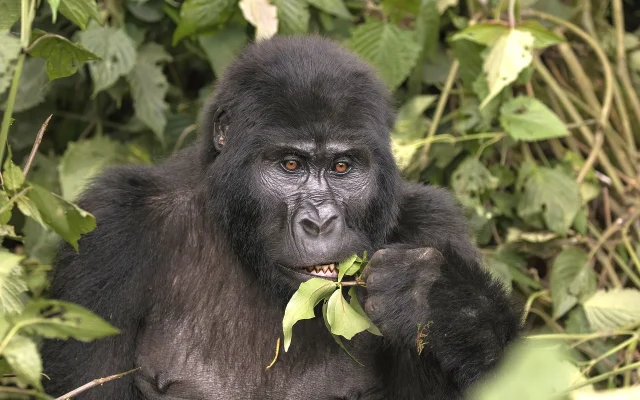
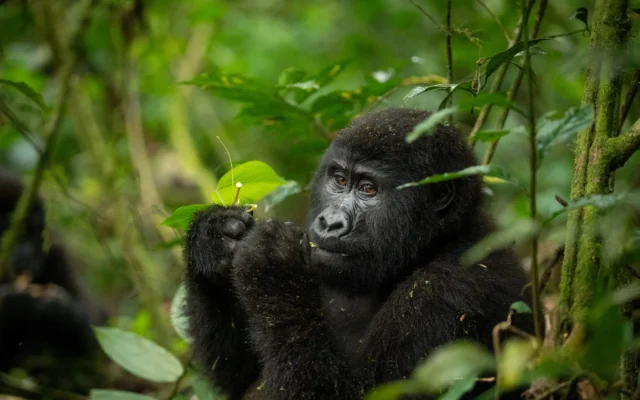
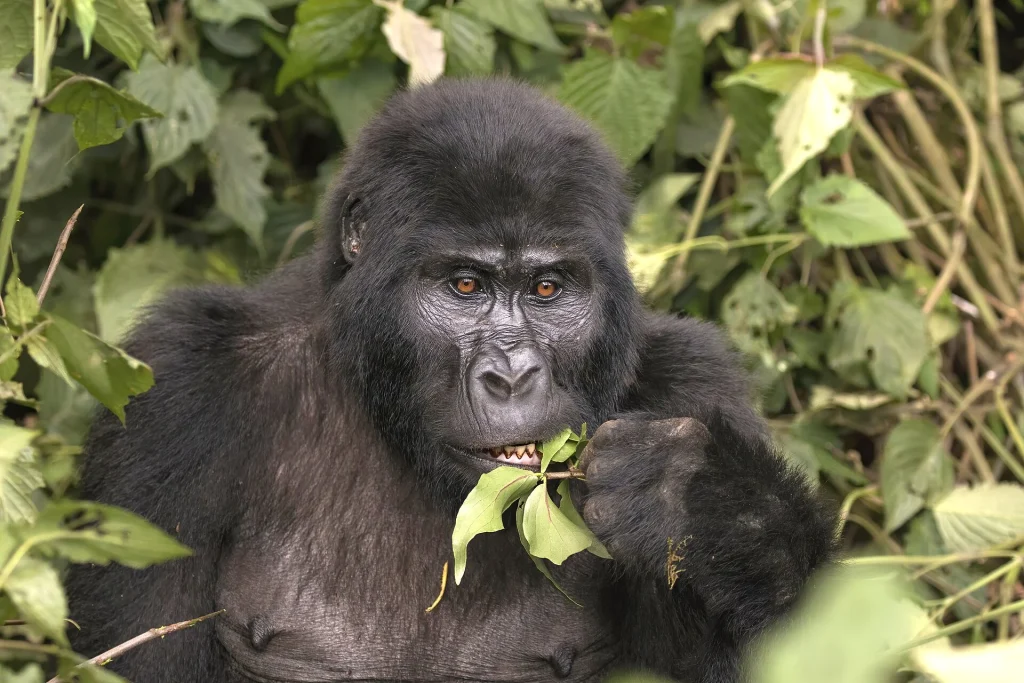
Gorillas and chimps do not follow migration maps—they are trackable year-round. Uganda primate travelers should prioritise permit availability and trail conditions over Serengeti-style herd logic. If primates are primary, Uganda timing flexibility beats chasing Tanzania’s river crossings unless you combine both countries on a long East Africa loop.
See best time to visit Uganda and gorilla trekking in November.
Migration vs Diverse Habitats
Tanzania sells the Great Migration spectacle—unmatched when herds and rivers align. Uganda sells habitat diversity in a smaller footprint: gorillas, chimps, shoebill, tree-climbing lions, and Albertine birding without crossing a country the size of western Europe.
If your dream is wildebeest columns, Tanzania’s dry mid-year wins. If your dream is primate contact plus classic mammals, Uganda’s December–February or June–September windows excel.
Combining Both Countries
East Africa Tourist Visa and regional flights (Entebbe–Kilimanjaro/Nairobi) enable combo trips. Sequence matters: avoid back-to-back long drives and redundant park types. Many travelers do Uganda primates first (8–10 days) then Tanzania migration (5–7 days) with a buffer flight day.
Compare costs in Uganda vs Tanzania safari cost and broader destination comparison.
Month-by-Month Decision Table
- January–February: Strong for both; Uganda primate + savannah; Tanzania calving season southern Serengeti
- March–May: Wet/green; budget Uganda; Tanzania northern quiet
- June–August: Peak Tanzania migration north; peak Uganda dry season
- September–October: Tanzania crossings tail; Uganda short rains begin southwest
- November: Uganda shoulder discounts possible; Tanzania transitional
- December: Holiday peak both countries—book early
Use Uganda safari by month for deeper local detail when dates narrow.
Photography and Birding Calendars
Bird photographers may prefer Uganda’s April–May green season for breeding plumage despite mud—Tanzania’s same months are quieter on the northern circuit. Big-cat photographers often accept Tanzania’s dusty August haze for Serengeti action; Uganda offers different predators (tree-climbing lions, leopards in Queen, Nile crocodiles) without migration timing pressure.
School Holiday Planning
European and North American summer holidays collide with Tanzania’s peak—expect highest lodge rates July–August. Uganda gorilla permits also peak then; book both countries a year ahead if families need fixed August dates. See school holiday safaris for pacing tips.
Climate Variability
El Niño and La Niña patterns shift rain onset by weeks—treat month guides as probabilities, not guarantees. Flexible travelers win in transitional months; fixed-date travelers should budget extra lodge nights as weather buffers.
One Country First, Then Expand
First-time East Africa visitors should not chase both migration and gorillas on a ten-day vacation unless accepting compressed logistics. Pick the species priority, nail timing there, then add the second country on a return trip with realistic nights.
Wet-Season Photography Goals
Uganda’s April green forests and Tanzania’s April empty lodges serve photographers who want mood over crowds. Wildlife action is still present—just plan different lenses and patience than dry-season documentary expectations.
Track migration maps published by Serengeti researchers when Tanzania is primary—river crossing weeks move annually. Uganda primate travelers should track UWA permit release calendars instead of wildebeest GPS.
Same Month, Different Goals
July means river drama for Tanzania migration viewers and dry-trail gorilla trekking for Uganda visitors—both valid, neither wrong. Write your goal species on paper before debating forums; timing advice follows purpose.
Coastal Zanzibar extensions after Tanzania safaris add beach time Uganda lacks—factor flight hops when comparing total holiday length, not only park calendars.
Ngorongoro crater and Bwindi forest both shine in October—but for different reasons; list must-see species before picking the country.

 Read
Read