
Cheapest Time to Visit Uganda
Understanding the cheapest time to visit Uganda can help travelers save hundreds or even thousands of dollars while still enjoying an unforgettable African safari experience. Uganda is one of Africa’s most diverse and rewarding travel destinations, offering world-famous gorilla trekking, chimpanzee tracking, Big Five wildlife safaris, birdwatching, cultural experiences, mountain adventures, scenic lakes, and authentic community tourism opportunities. While Uganda is often considered more affordable than many other African safari destinations, choosing the right travel season can significantly reduce costs even further.
Many visitors assume that the best safari experience always occurs during peak travel periods. However, some of the most rewarding and cost-effective trips take place during Uganda’s low and shoulder seasons. During these periods, travelers can often access lower accommodation rates, discounted safari packages, improved permit availability, fewer crowds, and more personalized experiences while still enjoying excellent wildlife viewing and adventure opportunities.
The key to finding the cheapest time to visit Uganda lies in understanding the country’s climate patterns, tourism seasons, accommodation pricing structures, and how different seasons affect safari activities. By carefully selecting your travel dates, you can maximize value without sacrificing the quality of your experience.
This guide explores Uganda’s low seasons, shoulder seasons, weather patterns, activity availability, accommodation trends, and practical strategies that help travelers experience the Pearl of Africa at the most affordable prices.
Understanding Uganda’s Tourism Seasons
Uganda enjoys a tropical climate moderated by altitude, meaning temperatures remain relatively stable throughout the year. Unlike destinations that experience extreme seasonal changes, Uganda can be visited year-round. However, rainfall patterns create distinct tourism seasons that influence travel costs and visitor numbers.
The country generally experiences:
- Peak Season
- Shoulder Season
- Low Season
Each season offers unique advantages and disadvantages, but travelers focused primarily on affordability should pay particular attention to the low and shoulder seasons.
Importantly, Uganda’s wildlife remains present throughout the year. Gorillas, chimpanzees, elephants, lions, giraffes, buffaloes, zebras, and birdlife do not disappear during rainy periods. This means budget-conscious travelers can often enjoy the same attractions as peak-season visitors while paying significantly less.
What Is the Cheapest Time to Visit Uganda?
The cheapest time to visit Uganda generally occurs during the country’s two main rainy seasons:
- March to May
- October to November
These periods are commonly referred to as the low season because visitor numbers decline compared to the dry months. As demand decreases, many safari lodges, tour operators, and tourism providers offer discounts to attract travelers.
For visitors whose primary goal is reducing costs, these months often provide the best overall value.
Although rainfall is more common during these periods, most tourism activities continue to operate normally, including gorilla trekking, chimpanzee tracking, game drives, cultural tours, birdwatching excursions, and nature walks.
Why Travel Costs Drop During the Low Season
The main reason travel becomes cheaper during Uganda’s rainy seasons is reduced demand. Many international travelers prefer dry weather conditions and therefore schedule trips during the peak months.
As a result:
- Accommodation occupancy decreases.
- Safari demand falls.
- Competition among service providers increases.
- More special offers become available.
Hotels, safari lodges, camps, and tour operators frequently introduce promotional rates during these periods. These discounts can substantially reduce overall safari costs, particularly for travelers staying multiple nights or visiting several destinations.
In many cases, travelers can enjoy midrange or even luxury accommodations at prices closer to what would normally be charged for budget properties during peak season.
March to May – Uganda’s Long Rainy Season
The period from March through May is generally considered Uganda’s longest rainy season and often represents the most affordable time of year for travel.
Rainfall tends to be more frequent during these months, particularly in southwestern Uganda where gorilla trekking takes place. However, rain rarely falls continuously throughout the day. Showers are often concentrated during afternoons or evenings, leaving plenty of opportunities for safari activities.
Travelers visiting during this period can benefit from:
- Lower accommodation prices.
- Discounted safari packages.
- Better gorilla permit availability.
- Less crowded attractions.
- Greener landscapes.
- Excellent photography opportunities.
The rainforest regions of Uganda become particularly lush and beautiful during these months, creating dramatic scenery and vibrant photographic conditions.
Although some roads may become muddy, experienced safari operators continue to conduct successful tours throughout the season.
October to November – Uganda’s Short Rainy Season
The second low season generally occurs during October and November. While rainfall increases compared to the dry months, conditions are often less intense than during March to May.
Many experienced travelers consider October and November among the best times to visit Uganda because they combine affordability with relatively manageable weather conditions.
Advantages include:
- Reduced tourist numbers.
- Competitive accommodation rates.
- Good wildlife viewing.
- Excellent birdwatching.
- Greater safari flexibility.
- Improved photography conditions.
Travelers who do not mind occasional rain often find this period offers exceptional value and a more relaxed safari experience.
Peak Season – When Uganda Is Most Expensive
The most expensive times to visit Uganda generally coincide with the major dry seasons:
- June to September.
- December to February.
These periods attract the highest numbers of international visitors due to favorable weather conditions, school holidays, and vacation schedules.
As demand increases:
- Accommodation rates rise.
- Popular lodges sell out.
- Safari package prices increase.
- Gorilla permits become more difficult to secure.
- Advance booking becomes essential.
Although these months offer excellent safari conditions, travelers often pay substantially more than they would during the low season.
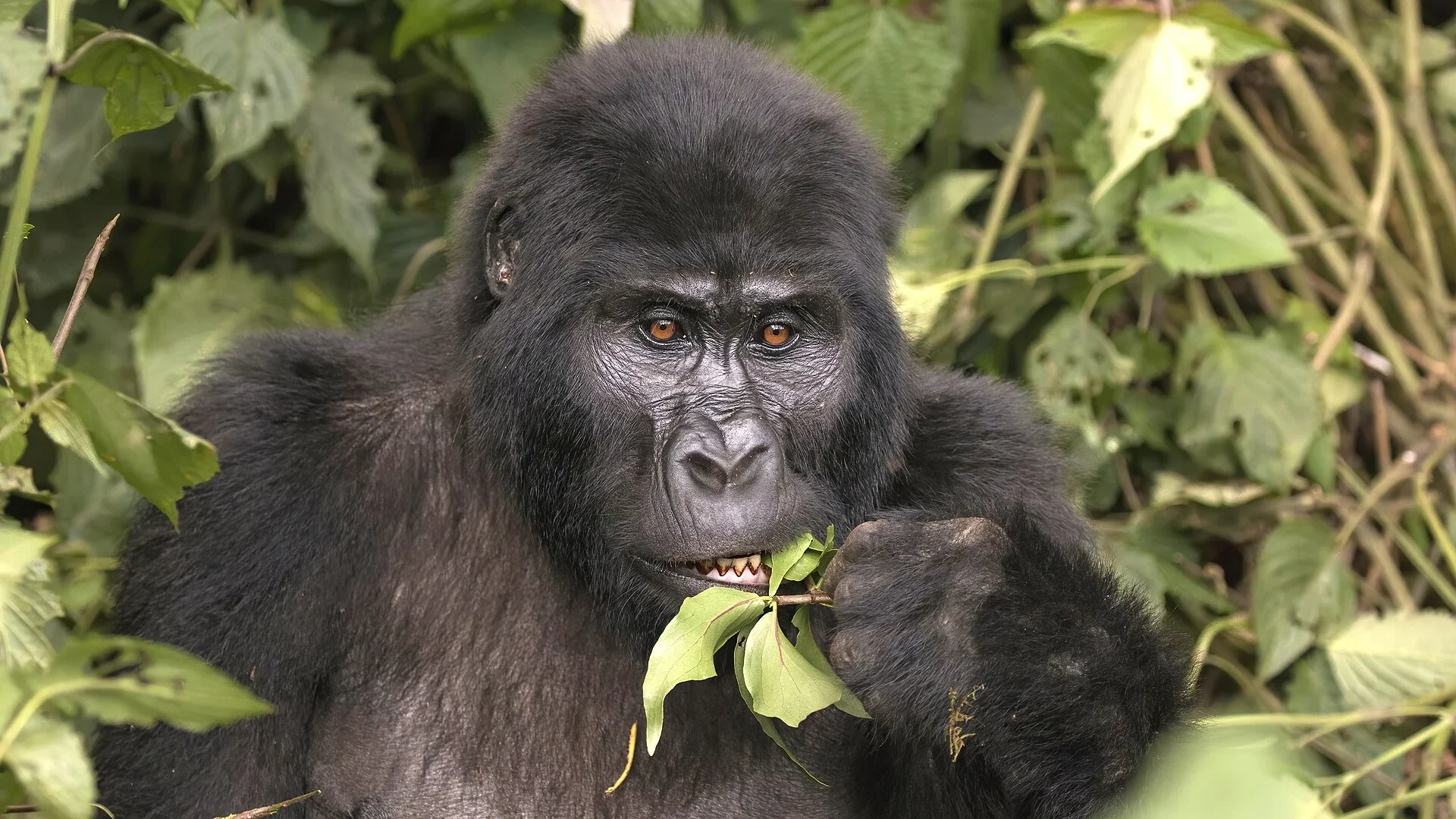
Cheapest Time for Gorilla Trekking in Uganda
Many travelers specifically search for the cheapest time to visit Uganda because they want to experience gorilla trekking at the lowest possible cost.
While standard gorilla permit prices generally remain constant throughout the year, travelers can still save money by visiting during low seasons because:
- Accommodation discounts are common.
- Transportation costs may be shared more easily.
- Safari package promotions become available.
- Midrange and luxury lodges often reduce rates.
The months of March, April, May, October, and November frequently offer the best value for gorilla trekking safaris.
Importantly, gorilla sightings remain excellent throughout the year. Mountain gorillas do not migrate and can be tracked every day regardless of season.
Cheapest Time for Wildlife Safaris in Uganda
Uganda’s national parks remain open year-round, and wildlife viewing continues throughout all seasons.
Popular wildlife destinations include:
- Murchison Falls National Park
- Queen Elizabeth National Park
- Kidepo Valley National Park
- Lake Mburo National Park
- Semuliki National Park
During the low seasons, travelers often find lower accommodation rates near these parks and reduced safari package costs.
Although some roads may be more challenging after rainfall, wildlife remains abundant and game viewing opportunities continue to be rewarding.
Cheapest Time for Chimpanzee Tracking
Chimpanzee tracking is available throughout the year in destinations such as:
- Kibale Forest National Park
- Budongo Forest
- Kyambura Gorge
- Kalinzu Forest
The low seasons often provide excellent opportunities for affordable chimpanzee safaris because accommodation discounts reduce overall package costs.
Rainforest conditions remain favorable for chimpanzee viewing throughout the year, and sightings are generally reliable regardless of season.
Best Time for Budget Travelers
If your primary objective is minimizing travel costs, the months below generally offer the best value:
- March
- April
- May
- October
- November
These months frequently provide the most attractive combination of reduced accommodation rates, discounted safari packages, fewer visitors, and excellent availability.
Budget travelers, backpackers, students, photographers, and long-term travelers often choose these periods to maximize their travel budgets.
Benefits Beyond Cost Savings
Choosing the cheapest time to visit Uganda offers advantages beyond financial savings.
Visitors often enjoy:
- Less crowded attractions.
- More personalized guide attention.
- Greater flexibility when booking activities.
- Enhanced wildlife photography opportunities.
- Lush green landscapes.
- Improved accommodation availability.
Many experienced safari travelers intentionally choose low-season travel because they prefer quieter, more intimate experiences.
Birdwatching During the Low Season
Birdwatchers often consider the rainy seasons among the best times to visit Uganda.
During these months:
- Migratory birds may be present.
- Breeding activity increases.
- Bird vocalization becomes more frequent.
- Vegetation supports abundant food resources.
Uganda hosts more than 1,090 bird species, making it one of Africa’s premier birding destinations regardless of season.
Weather Considerations During the Cheapest Months
Travelers should understand that lower prices are often linked to increased rainfall.
During the low seasons:
- Rain showers are more frequent.
- Road conditions may become muddy.
- Hiking trails can be slippery.
- Waterproof gear becomes essential.
However, rain rarely prevents safari activities from taking place. Most tours continue successfully throughout the year, and experienced guides adjust schedules according to weather conditions.
For many travelers, the financial savings and reduced crowds more than compensate for occasional rainfall.
How to Save Even More Money in Uganda
In addition to traveling during low season, visitors can reduce costs by:
- Joining group safaris.
- Booking through local tour operators.
- Using budget accommodations.
- Traveling with friends or family.
- Combining multiple destinations in one trip.
- Booking well in advance.
- Taking advantage of seasonal promotions.
These strategies can significantly reduce overall travel expenses while maintaining a high-quality safari experience.
Month-by-Month Cost Overview
January: High season, higher prices.
February: High season, strong demand.
March: Lower prices begin.
April: Often among the cheapest months.
May: Excellent low-season value.
June: Peak season starts.
July: High demand and pricing.
August: Peak tourism month.
September: Shoulder season begins.
October: Excellent value month.
November: One of the cheapest travel periods.
December: Prices rise with holiday travel.
Book Your Affordable Uganda Safari with Adventure in the Wild Safaris
Adventure in the Wild Safaris specializes in designing cost-effective Uganda safaris that maximize value while maintaining exceptional quality. Whether you are planning gorilla trekking, chimpanzee tracking, wildlife safaris, birdwatching tours, cultural experiences, or a complete Uganda adventure, our team can help identify the best travel dates and seasonal opportunities.
By understanding the cheapest time to visit Uganda, travelers can enjoy extraordinary wildlife encounters, stunning landscapes, rich cultural experiences, and world-class safari adventures while staying within budget. With careful planning and expert guidance, Uganda remains one of Africa’s most rewarding and affordable safari destinations throughout the year.