Related seasonal guides
- Best Time to Visit Uganda
- Uganda Safari Seasons: Complete Guide to the Best Time for Wildlife and Gorilla Trekking
- Uganda Weather for Safari: Best Climate Conditions for Wildlife and Gorilla Trekking
- Uganda Safari By Month: Best Time to Visit Uganda for Wildlife, Gorilla Trekking, and Birding
- Uganda Dry Season Safaris: Best Time for Wildlife, Gorilla Trekking & Cultural Tours
- All seasonal guides →
Introduction: Best Time for Wildlife, Gorilla Trekking, and Birdwatching
When to Visit Uganda for Safari is one of the most important planning decisions for travelers coming to the Pearl of Africa. Uganda offers excellent safari experiences year-round, but weather patterns, wildlife movements, and trekking conditions vary by season.
This guide helps travelers choose the best time to visit Uganda based on gorilla trekking, wildlife safaris, birdwatching, and budget preferences.
Overview of Uganda Safari Seasons
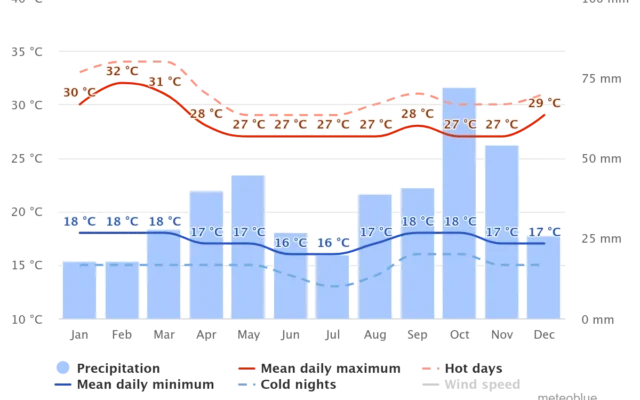
Uganda has two main dry seasons and two rainy seasons:
- Dry seasons: June to August and December to February
- Rainy seasons: March to May and September to November
Each season offers unique safari advantages depending on travel goals.
Best Time for Uganda Safaris
June to August (Peak Safari Season)
This is one of the best times to visit Uganda for all safari activities:
- Excellent wildlife viewing in national parks
- Ideal gorilla trekking conditions
- Dry and accessible roads
It is the most popular travel period in Uganda.
December to February (Second Peak Season)
Another excellent safari window with favorable weather conditions:
- Clear skies and warm temperatures
- Good gorilla trekking conditions
- High wildlife visibility
This season is ideal for photography and family safaris.
Low Season in Uganda
March to May (Long Rains)
This period is characterized by heavy rainfall:
- Lush green landscapes
- Fewer tourists
- Lower safari prices
Some roads may become muddy and more difficult to access.
September to November (Short Rains)
A transitional rainy season with mixed conditions:
- Good birdwatching opportunities
- Fewer crowds
- Occasional rainfall
Ideal for budget travelers and birding enthusiasts.
Best Time for Gorilla Trekking
Gorilla trekking in Bwindi and Mgahinga is available year-round:
- Best months: June to August and December to February
- Dry trails make trekking easier
- Better hiking conditions in forests
Rainy seasons are also possible but more challenging.
Best Time for Wildlife Safaris
Wildlife viewing is best during dry seasons:
- Animals gather around water sources
- Shorter grass improves visibility
- Easier road access in parks
Queen Elizabeth, Murchison Falls, and Kidepo Valley are best visited during dry months.
Best Time for Birdwatching
Uganda is a top birding destination year-round, but peak seasons include:
- March to May (breeding season)
- September to November (migratory birds)
Wet seasons are especially rewarding for bird enthusiasts.
Weather Considerations
Uganda’s tropical climate means temperatures remain fairly stable year-round:
- Warm daytime temperatures (20°C–30°C)
- Cooler mornings and evenings in highlands
- Frequent rainfall in forested regions
Weather varies slightly by region and altitude.
Best Time Based on Travel Style
- Luxury safaris: June–August, December–February
- Budget travel: March–May, September–November
- Photography safaris: December–February
- Birding safaris: March–May, September–November
Is Uganda a Year-Round Safari Destination?
Yes, Uganda is a year-round safari destination. While dry seasons are most popular, rainy seasons offer unique advantages such as lush scenery, fewer tourists, and better birdwatching.
Decision Framework
Start with non-negotiables: gorilla permit dates, school holidays, budget ceiling, and must-see parks. Match those against dry-season wildlife peaks or green-season savings. Birders invert the default—often prefer March–May and September–November despite rain.
First-time visitors with ten or more nights usually pick June–August or December–February for simplest logistics. Repeat visitors and photographers often embrace shoulder months for atmosphere and space.
Year-Round Reality
Uganda never fully “closes”—treks run daily, rangers patrol year-round, lodges stay open except isolated maintenance closures. Weather affects comfort and price more than possibility. Drill into monthly guides, dry season, and green season once your window narrows to specific weeks.
Booking Lead Times
Dry-season gorilla permits and Christmas lodges warrant six to twelve months lead time; green-season trips may firm up in eight to twelve weeks. Flight sales appear unpredictably—secure refundable lodge holds before chasing airfare deals that might not align with permit availability on your target trek dates.
Repeat visitors often know their preferred month from a first trip—use that confidence to book permits before flights when airline inventory is still volatile six months out.
Flexible Date Strategy
If permits or lodges are sold out on your first-choice week, shift three to seven days within the same month before abandoning the season entirely. Shoulder weeks often deliver ninety percent of peak-season wildlife with lower prices and quieter trails. Operators monitoring live UWA availability can advise micro-shifts invisible to travelers searching only fixed Saturday arrivals in August.
Insurance and Weather Delays
Equatorial rain can close rural bridges or delay domestic flights even in “dry” months—build one buffer day on multi-park loops. Travel insurance covering permit rescheduling and missed connections adds value in March–May and October–November more than in mid-July, yet surprises happen year-round. Lodge late-check-in policies vary; inform properties when storms delay road transfers from Entebbe.
Seasonal Planning Resources
Use this page alongside safari seasons, weather for safari, and best time to visit Uganda when converting climate patterns into bookable dates. Monthly guides under safari by month add permit-pressure detail once your travel quarter is set.

 Read
Read