




Uganda Safaris
Uganda Safaris — The Ultimate Guide to Exploring the Pearl of Africa
Uganda safaris offer a remarkable opportunity to experience Africa in its most diverse, authentic, and rewarding form. While many travelers associate East Africa with endless savannahs and the Great Migration, Uganda presents a completely different perspective of the continent—one where ancient rainforests shelter endangered mountain gorillas, the mighty Nile River surges through dramatic waterfalls, lions rest beneath fig trees, chimpanzees call from dense tropical forests, and vibrant local communities welcome visitors with genuine warmth. This extraordinary diversity has earned Uganda the well-deserved title of the Pearl of Africa, a name first popularized by Winston Churchill after witnessing the country's breathtaking scenery, abundant wildlife, and exceptional natural beauty.
Unlike destinations known primarily for a single attraction, Uganda safari tours combine a remarkable collection of experiences within one journey. A carefully planned itinerary may begin with a peaceful boat cruise across the papyrus wetlands of Mabamba Swamp in search of the prehistoric-looking shoebill, continue north to the thunderous Murchison Falls National Park for classic game drives and Nile cruises, lead west into the tropical forests of Kibale National Park to track wild chimpanzees, pass through the vast savannahs of Queen Elizabeth National Park, and culminate in the unforgettable experience of standing just a few meters from a family of endangered mountain gorillas in Bwindi Impenetrable National Park. Few destinations in the world offer such extraordinary ecological diversity within a single country.
Every year, thousands of travelers choose Uganda safari packages not only because of the country's iconic wildlife, but because Uganda delivers something increasingly rare in modern tourism—authenticity. The national parks remain wonderfully uncrowded compared to many famous African reserves, wildlife encounters feel intimate rather than commercial, and interactions with local communities provide genuine insight into everyday life, traditions, and conservation efforts. Rather than simply observing wildlife from a vehicle, visitors actively participate in experiences that create lasting memories, whether trekking through mist-covered forests, walking alongside white rhinos, paddling across tranquil crater lakes, or listening to the dawn chorus echo across the African wilderness.
For first-time visitors to Africa, Uganda introduces virtually every classic safari experience imaginable. For seasoned safari enthusiasts, it reveals an entirely different side of East Africa that many consider even more rewarding than traditional wildlife destinations. Whether your dream holiday revolves around gorilla trekking in Uganda, photographing Africa's iconic wildlife, discovering hidden birding hotspots, climbing volcanic peaks, exploring remote wilderness, or simply enjoying spectacular scenery and luxurious safari lodges, Uganda offers experiences that few countries can rival.
Why Uganda Safaris Are Unlike Any Other African Safari
The greatest strength of a Uganda safari lies in its extraordinary diversity. Many African countries excel in one particular aspect of wildlife tourism. Kenya is celebrated for the Great Migration, Botswana for the Okavango Delta, Namibia for dramatic desert landscapes, and Rwanda for luxury gorilla trekking. Uganda, however, combines elements of all these safari styles into one destination, creating journeys that feel dynamic, immersive, and endlessly varied.
Geographically, Uganda occupies one of Africa's most fascinating positions. Located where the East African savannah meets the ancient forests of Central Africa, the country forms a natural crossroads for wildlife, birds, vegetation, and ecosystems. Within a day's drive, travelers may move from open grasslands filled with elephants and giraffes into dense montane rainforest inhabited by mountain gorillas before emerging beside sparkling crater lakes surrounded by terraced hillsides. This remarkable geographical diversity supports one of the richest concentrations of biodiversity anywhere on the African continent.
The country's landscapes are equally impressive. Rolling tea plantations stretch across western Uganda, snow-capped peaks rise above the clouds in the Rwenzori Mountains, volcanic cones dominate the southwestern horizon, vast wetlands support extraordinary birdlife, while the legendary River Nile begins its remarkable journey northwards from Lake Victoria. Every region offers distinct scenery, creating constant visual variety throughout even the shortest Uganda safari holiday.
Equally important is the pace of travel. Unlike itineraries that spend days crossing similar landscapes, a journey through Uganda feels like exploring several countries in one. Every destination introduces different wildlife, vegetation, climates, cultures, and activities. One morning may begin tracking chimpanzees beneath towering mahogany trees, while the following afternoon is spent watching elephants bathe beside the Kazinga Channel. A few days later, visitors find themselves climbing through dense bamboo forests searching for mountain gorillas before ending the safari beside one of Africa's most beautiful lakes.
The Incredible Diversity of Uganda Safari Tours
One of the primary reasons international visitors continue choosing Uganda wildlife safaris is the sheer diversity of experiences available within a relatively compact country. Uganda's tourism extends far beyond traditional game drives, allowing travelers to tailor holidays around wildlife, adventure, culture, photography, conservation, or relaxation.
A comprehensive safari often combines rainforest trekking, classic wildlife viewing, scenic boat cruises, cultural interactions, mountain adventures, birdwatching, and luxurious lodge experiences. This variety appeals to couples, families, photographers, honeymooners, solo travelers, and wildlife enthusiasts alike. Rather than repeating similar activities throughout the journey, every destination introduces something entirely new, ensuring each day feels different from the last.
Perhaps nowhere else in Africa can visitors observe endangered mountain gorillas, track wild chimpanzees, search for the legendary shoebill, complete the Big Five, cruise the Nile beneath one of the world's most powerful waterfalls, hike volcanoes, encounter traditional Batwa communities, and finish their holiday relaxing beside pristine crater lakes—all within a single itinerary. This extraordinary concentration of attractions explains why many visitors leave Uganda feeling they have experienced far more than a conventional safari.
Uganda Gorilla Safaris – The Experience That Changes Lives
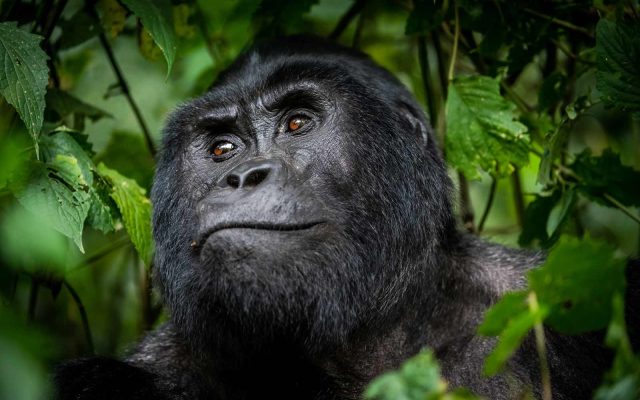
For many travelers, the defining moment of a Uganda safari is the unforgettable encounter with endangered mountain gorillas. Hidden deep within the ancient rainforests of southwestern Uganda, these gentle giants represent one of conservation's greatest success stories and provide an experience consistently ranked among the finest wildlife encounters on Earth.
Long before sunrise, visitors gather at the park headquarters for a briefing by experienced rangers from the Uganda Wildlife Authority. Small trekking groups are assigned to specific gorilla families before setting off into the forest accompanied by professional guides, armed rangers, and expert trackers who have already begun locating the gorillas. The trek itself forms an integral part of the adventure. Ancient vines hang from towering trees, colourful butterflies drift through shafts of sunlight, rare birds call from the canopy, and every step reveals another layer of one of Africa's oldest surviving rainforests.
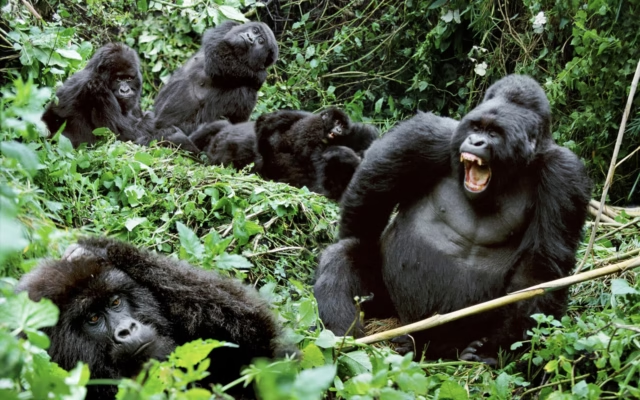
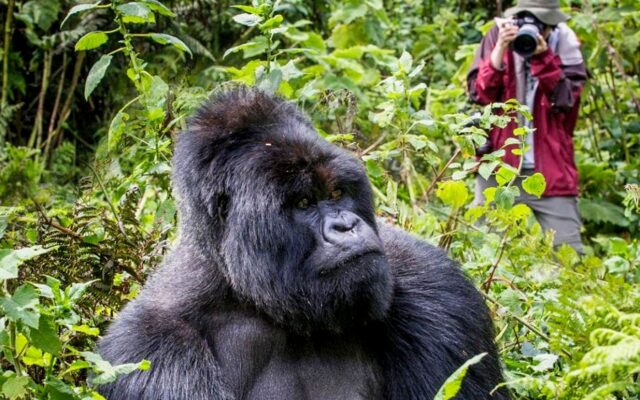
Eventually, after following fresh feeding signs, broken vegetation, and radio communication from trackers, the forest suddenly falls quiet. Ahead, a massive silverback sits calmly surrounded by his family. Mothers cradle tiny infants, curious juveniles tumble through the undergrowth, and younger gorillas feed peacefully on leaves and stems. For one unforgettable hour, visitors share the gorillas' world, observing remarkably human behaviours that create an emotional connection impossible to describe fully until experienced firsthand. It is this single hour that inspires countless travelers to describe Uganda gorilla trekking as the greatest wildlife experience of their lives.
Beyond its emotional impact, gorilla tourism directly supports conservation. Revenue generated through permits funds anti-poaching patrols, habitat protection, veterinary care, scientific research, and community development initiatives surrounding protected areas. Every permit purchased contributes towards ensuring future generations will continue experiencing these magnificent animals in the wild.
More Than Gorillas – A Complete Wildlife Destination
Although gorillas have become synonymous with Uganda tourism, focusing solely on them overlooks the country's extraordinary wildlife diversity. Uganda protects ten national parks and numerous wildlife reserves supporting hundreds of mammal species, over one thousand bird species, reptiles, amphibians, butterflies, and countless endemic plants. This remarkable biodiversity enables visitors to enjoy traditional African wildlife experiences alongside unique rainforest adventures.
The vast savannahs of northern and western Uganda provide excellent opportunities to encounter elephants, lions, buffaloes, leopards, giraffes, hyenas, warthogs, antelopes, hippos, crocodiles, and countless bird species. Boat safaris reveal wildlife from an entirely different perspective as animals gather along rivers and lakes to drink, bathe, hunt, and escape the heat of the African afternoon. Walking safaris allow guests to appreciate the smaller details often overlooked during vehicle-based game drives, while night drives introduce nocturnal species rarely seen during daylight hours.
This exceptional combination of rainforest and savannah experiences makes Uganda safari holidays among the most varied available anywhere in Africa. Rather than choosing between primates or traditional game viewing, travelers can comfortably enjoy both within one carefully designed itinerary, creating a richer understanding of Uganda's remarkable natural heritage.
Discover Uganda's National Parks – The Heart of Every Uganda Safari
One of the greatest strengths of Uganda safaris is the country's remarkable network of protected areas. Although Uganda covers a relatively modest area compared to many African nations, it protects an extraordinary diversity of ecosystems that range from dense tropical rainforests and expansive savannahs to snow-capped mountains, wetlands, crater lakes, and volcanic highlands. Each national park possesses its own distinct identity, wildlife, scenery, and safari experiences, allowing visitors to enjoy an itinerary that changes dramatically from one destination to the next. Rather than offering a single style of safari, Uganda presents a collection of unique wilderness experiences that together create one of Africa's most complete safari circuits.
The country's ten national parks are managed by the Uganda Wildlife Authority, whose conservation efforts have contributed significantly to the recovery of several important wildlife populations over recent decades. Elephant herds continue to grow, Rothschild's giraffes have expanded into new areas, rhinos are being successfully protected for future reintroduction into national parks, while mountain gorilla numbers have steadily increased through intensive conservation programs. Visitors booking Uganda safari tours therefore become active participants in supporting conservation while experiencing some of Africa's finest wildlife destinations.
Murchison Falls National Park – Uganda's Largest and Most Iconic Safari Destination
No Uganda wildlife safari is truly complete without exploring the spectacular landscapes of Murchison Falls National Park. Covering more than 3,800 square kilometres across northwestern Uganda, this remarkable protected area combines expansive savannah, riverine forests, woodland, wetlands, and the mighty River Nile to create one of East Africa's finest wildlife destinations. It is Uganda's largest national park and consistently ranks among the country's most visited safari destinations because it perfectly combines traditional African game viewing with breathtaking scenery.
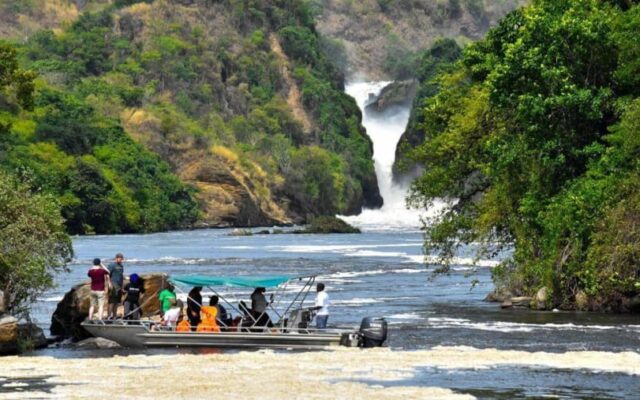
The defining feature of the park is undoubtedly the dramatic Murchison Falls themselves. Here, the River Nile, having travelled thousands of kilometres from its source near Lake Victoria, is forced through a narrow gorge only about seven meters wide before plunging more than forty meters into the turbulent Devil's Cauldron below. The immense force generated by this compression creates thunderous noise, permanent mist, and spectacular rainbows that make the falls one of the most impressive natural attractions anywhere in Africa. Standing at the Top of the Falls offers visitors unforgettable panoramic views and outstanding photographic opportunities.
Beyond the falls, the northern sector of the park supports abundant wildlife. Early morning game drives reveal elephants feeding across open grasslands, Rothschild's giraffes browsing acacia trees, buffaloes grazing in large herds, Uganda kobs scattered across the plains, and lions patiently watching potential prey. Leopards, although naturally elusive, are regularly encountered by experienced safari guides, while hyenas, jackals, hartebeests, waterbucks, warthogs and numerous smaller mammals contribute to an exceptionally rewarding wildlife experience.
The afternoon Nile boat safari is considered one of the highlights of any Uganda safari package. Slowly cruising upstream toward the base of the falls, visitors encounter enormous pods of hippos, some of Africa's largest Nile crocodiles, elephants drinking along the shoreline, buffaloes cooling themselves in shallow water, and an astonishing variety of birdlife including African fish eagles, kingfishers, bee-eaters, herons, cormorants, storks and occasionally the elusive shoebill. The combination of scenery, wildlife and dramatic river landscapes makes this one of Africa's finest wildlife boat cruises.
Queen Elizabeth National Park – Uganda's Most Diverse Wildlife Sanctuary
Located in western Uganda between Lakes Edward and George, Queen Elizabeth National Park represents one of the country's most ecologically diverse protected areas. Stretching from the foothills of the Rwenzori Mountains to the shores of the Albertine Rift Valley, the park encompasses open savannah, crater lakes, wetlands, tropical forests and volcanic landscapes that support an extraordinary variety of wildlife. It is this remarkable diversity that has made the park a cornerstone of many Uganda safari holidays.
Wildlife viewing within Queen Elizabeth National Park is exceptional throughout the year. The Kasenyi Plains are renowned for large populations of Uganda kob, which in turn attract lions and other predators. Elephants, buffaloes, warthogs and numerous antelope species are frequently encountered during morning and evening game drives, while the Mweya Peninsula offers spectacular scenery overlooking the Kazinga Channel.
The Kazinga Channel itself is one of the park's defining attractions. Connecting Lake Edward with Lake George, this natural waterway supports one of Africa's highest recorded concentrations of hippos alongside enormous numbers of Nile crocodiles, elephants, buffaloes and waterbirds. A boat cruise along the channel provides close wildlife encounters that differ completely from traditional vehicle safaris. Animals approach the shoreline to drink, bathe and feed while countless bird species occupy every available perch, making the cruise particularly rewarding for photographers.
The southern Ishasha sector has earned international recognition for its famous tree-climbing lions. Although lions occasionally climb trees elsewhere in Africa, the behaviour is particularly well established here. Watching these magnificent predators resting across broad fig tree branches is one of the most sought-after wildlife sightings during Uganda safari tours and attracts photographers from around the world.
Bwindi Impenetrable National Park – Home of Mountain Gorillas
While every Ugandan national park offers something unique, Bwindi Impenetrable National Park remains the country's most internationally recognised conservation area. This ancient rainforest, believed to be more than 25,000 years old, protects one of the world's richest ecosystems and more than half of the global population of endangered mountain gorillas. Designated as a UNESCO World Heritage Site, Bwindi combines extraordinary biodiversity with one of the most emotional wildlife experiences available anywhere on Earth.
The forest itself is an attraction long before visitors encounter gorillas. Giant tree ferns, towering hardwoods, tangled vines and moss-covered vegetation create an almost mystical atmosphere. Numerous waterfalls, streams and steep valleys dissect the landscape, while colourful butterflies, forest elephants, monkeys and hundreds of bird species contribute to the remarkable richness of the ecosystem. Walking through Bwindi is as much about experiencing one of Africa's oldest surviving rainforests as it is about gorilla trekking.
The park is divided into four trekking sectors—Buhoma, Ruhija, Rushaga and Nkuringo—each providing access to different habituated gorilla families and accommodation options. This structure helps distribute tourism sustainably while allowing visitors to select locations based on fitness levels, scenery, lodge preferences and overall itinerary design. Whether arriving from Queen Elizabeth National Park, Lake Bunyonyi, Kigali or Mgahinga, Bwindi remains the emotional centrepiece of countless Uganda gorilla safaris.
Kibale National Park – The Primate Capital of East Africa
Often referred to as the primate capital of East Africa, Kibale National Park offers visitors one of the finest opportunities anywhere in Africa to observe wild chimpanzees in their natural habitat. The park protects approximately 795 square kilometres of tropical rainforest, swamp, woodland and grassland and supports an extraordinary concentration of primate species. In addition to chimpanzees, visitors regularly encounter black-and-white colobus monkeys, red colobus monkeys, L'Hoest's monkeys, blue monkeys, olive baboons and several nocturnal primates.
Chimpanzee tracking within Kibale differs significantly from gorilla trekking. Chimpanzees are energetic, vocal and constantly moving through the forest canopy, creating a lively and dynamic experience. Visitors follow experienced guides along forest trails while listening for distant calls that echo through the trees. Once located, the chimpanzees may be feeding, grooming, communicating, hunting or travelling rapidly between trees, providing endless opportunities for wildlife observation and photography.
Many travelers also choose the full-day Chimpanzee Habituation Experience, which allows significantly more time with researchers and trackers. This immersive activity provides fascinating insight into chimpanzee behaviour, social structures and the long-term conservation efforts that help protect one of humanity's closest living relatives. As part of broader Uganda safari packages, Kibale creates the perfect complement to gorilla trekking by allowing visitors to compare the behaviour of two of Africa's most remarkable primates.
Kidepo Valley National Park – Uganda's Untouched Wilderness
Far removed from Uganda's more frequently visited destinations lies Kidepo Valley National Park, a spectacular wilderness often described by experienced safari travellers as one of Africa's greatest hidden treasures. Located in Uganda's remote northeastern corner near the borders with South Sudan and Kenya, Kidepo offers dramatic mountain scenery, expansive savannah plains and remarkably low visitor numbers, creating a genuine sense of exploration that has become increasingly rare elsewhere in Africa.
The park supports an impressive variety of wildlife including lions, elephants, buffaloes, giraffes, zebras, cheetahs, leopards, hyenas and numerous antelope species. Because of its location within a transition zone between East African and semi-arid ecosystems, Kidepo also protects several species rarely encountered elsewhere in Uganda. Combined with exceptional birdlife and breathtaking landscapes, the park provides an outstanding destination for photographers and travellers seeking a more exclusive safari experience.
Equally rewarding are the cultural opportunities surrounding the park. Visits to traditional Karamojong communities provide fascinating insight into pastoral lifestyles that have remained remarkably resilient despite changing times. These authentic cultural encounters add another meaningful dimension to a Uganda safari holiday, demonstrating how wildlife conservation and local traditions coexist across northern Uganda.
Lake Mburo National Park – A Perfect Introduction to Uganda's Wildlife
Situated conveniently between Kampala and southwestern Uganda, Lake Mburo National Park is often included at either the beginning or end of longer safari itineraries. Although considerably smaller than Murchison Falls or Queen Elizabeth National Park, Lake Mburo offers several experiences unavailable elsewhere in Uganda, making it an excellent addition to comprehensive Uganda safari tours.
The park's gently rolling hills, acacia woodlands and lakes support healthy populations of zebras, giraffes, impalas, elands, buffaloes, waterbucks, topis and hippos. It is also one of the few places in Uganda where guided walking safaris are routinely offered, allowing visitors to experience the bush from ground level under the guidance of armed rangers. Horseback safaris provide another unique perspective, enabling riders to approach wildlife quietly without the noise of vehicles.
Lake Mburo itself offers peaceful boat cruises where hippos, crocodiles and numerous waterbirds are easily observed. The relaxed atmosphere, scenic landscapes and relatively short driving distances make the park particularly popular with families, honeymooners and travellers seeking a gentle conclusion to an adventurous journey across Uganda.
Mgahinga Gorilla National Park – Where Volcanoes, Gorillas and Golden Monkeys Meet
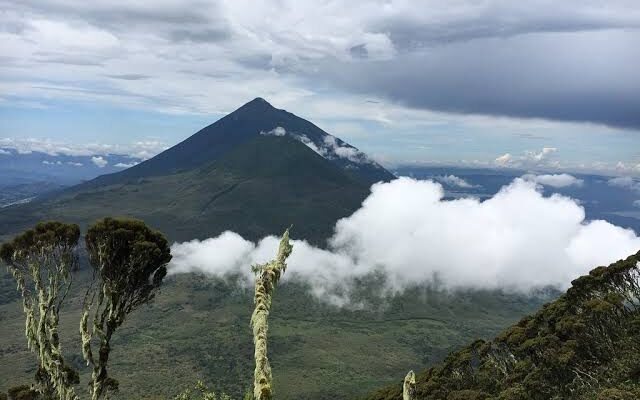
Nestled within the spectacular Virunga Mountain Range in southwestern Uganda, Mgahinga Gorilla National Park may be the country's smallest national park, but it delivers some of the most extraordinary experiences available on any Uganda safari. Covering just over 33 square kilometres, the park protects a unique Afro-montane ecosystem that extends across the borders of Uganda, Rwanda and the Democratic Republic of Congo. Its dramatic scenery is dominated by the extinct volcanoes of Mount Muhabura, Mount Gahinga and Mount Sabinyo, whose forested slopes provide habitat for mountain gorillas, endangered golden monkeys and a remarkable variety of birds and alpine vegetation.
While many travellers know Mgahinga as Uganda's second destination for gorilla trekking, the park offers far more than its famous primates. It is the only place in Uganda where visitors can track the rare and playful golden monkey, a colourful primate found only within the bamboo forests of the Virunga Mountains. Watching these energetic monkeys leap effortlessly through dense bamboo while feeding on shoots and insects provides an entirely different experience from gorilla trekking and is a favourite activity among wildlife photographers and primate enthusiasts.
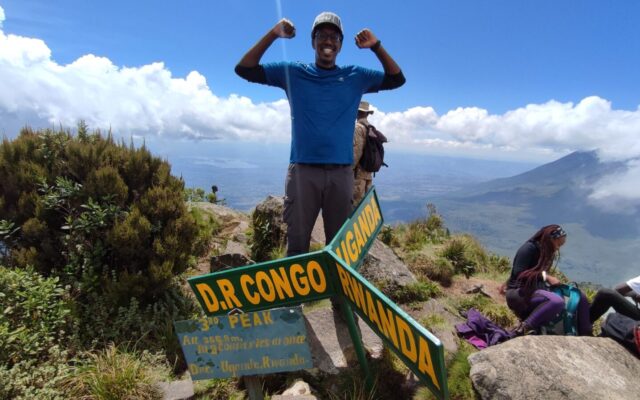
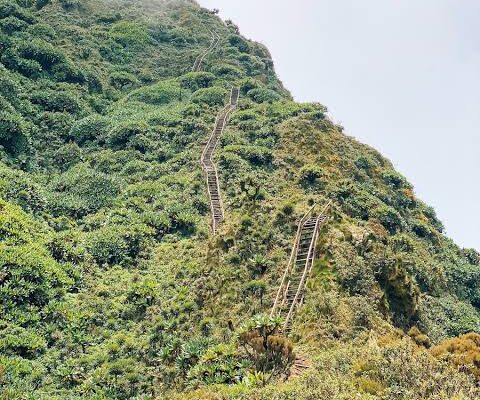
For adventurous travellers, Mgahinga also offers some of the country's finest volcano hiking. Climbs to the summits of Mount Sabinyo, Mount Gahinga and Mount Muhabura reward hikers with breathtaking views across Uganda, Rwanda and the Democratic Republic of Congo. Standing on Mount Sabinyo is particularly unique, as hikers can simultaneously stand within the borders of three countries. These volcanic adventures perfectly complement traditional Uganda safari tours, adding an exciting element of mountain exploration to wildlife-focused itineraries.
Another enriching experience within the park is the Batwa Cultural Trail, which introduces visitors to the history and traditions of the Batwa people, the original forest inhabitants who lived sustainably within these forests for generations before the establishment of protected areas. Guided by Batwa elders, visitors learn about traditional hunting techniques, medicinal plants, ancient caves and cultural practices that offer valuable insight into the relationship between indigenous communities and the forest ecosystem.
Semuliki National Park – Uganda's Gateway to the Congo Rainforest
Located in the western Albertine Rift Valley, Semuliki National Park presents a completely different side of Uganda safaris. Unlike the montane forests of Bwindi or Kibale, Semuliki protects one of the easternmost extensions of the vast Congo Basin rainforest. The result is an ecosystem unlike anywhere else in Uganda, characterised by towering tropical trees, dense undergrowth, humid conditions and wildlife more commonly associated with Central Africa.
Semuliki is particularly famous among birdwatchers. Many of its bird species occur nowhere else in East Africa, making the park an essential destination for serious ornithologists. Species such as the Nkulengu Rail, Congo Serpent Eagle, White-crested Hornbill and Lyre-tailed Honeyguide attract bird enthusiasts from around the world, while forest mammals including monkeys, forest elephants and numerous smaller species contribute to the park's remarkable biodiversity.
The park's best-known attraction is the spectacular Sempaya Hot Springs. Here, boiling geothermal water erupts naturally from beneath the earth's surface, creating dramatic columns of steam that rise above the surrounding forest. Local guides often demonstrate the spring's intense heat by cooking eggs and bananas in the boiling water, providing visitors with a memorable and fascinating geological experience that contrasts beautifully with Uganda's wildlife attractions.
Rwenzori Mountains National Park – Africa's Mountains of the Moon
Among Africa's greatest natural wonders are the majestic Rwenzori Mountains, often referred to as the Mountains of the Moon. Rising to more than 5,100 meters above sea level, the Rwenzori Range contains Africa's third-highest peak and supports glaciers, alpine meadows, giant lobelias, moss-covered forests and spectacular mountain scenery rarely found elsewhere on the continent. For travellers seeking more than traditional wildlife viewing, incorporating the Rwenzoris into a Uganda safari holiday offers a remarkable combination of adventure and natural beauty.
The park offers trekking opportunities ranging from short day hikes to demanding multi-day expeditions that traverse diverse ecological zones before reaching snow-covered peaks. As hikers ascend through bamboo forests, montane woodland, giant heather zones and Afro-alpine landscapes, they experience one of Africa's most dramatic changes in vegetation and climate. The unique scenery has earned the Rwenzoris UNESCO World Heritage status and international recognition among experienced mountaineers.
Even visitors not attempting the summit can enjoy shorter forest walks, waterfall hikes and community experiences surrounding the mountains. The nearby town of Kasese also serves as an excellent base for combining mountain excursions with wildlife viewing in Queen Elizabeth National Park, creating one of the most scenic regions within any Uganda safari itinerary.
Mount Elgon National Park – Hiking, Waterfalls and Ancient Caves
Eastern Uganda is home to another spectacular mountain destination—Mount Elgon National Park. Centred around one of the world's largest extinct volcanic calderas, the park offers visitors lush forests, dramatic cliffs, waterfalls, caves and panoramic hiking trails that provide a refreshing contrast to Uganda's wildlife parks. Although less visited than western Uganda's attractions, Mount Elgon rewards adventurous travellers with peaceful landscapes and excellent opportunities for nature-based tourism.
One of the park's highlights is Sipi Falls, a series of three magnificent waterfalls cascading down the mountain slopes. The surrounding area has become one of Uganda's leading adventure destinations, offering hiking, abseiling, mountain biking and visits to internationally recognised Arabica coffee farms. For travellers seeking to combine wildlife with outdoor adventure, Mount Elgon provides a rewarding extension to longer Uganda safari tours.
Ziwa Rhino Sanctuary – Completing the Big Five
No discussion of Uganda wildlife safaris would be complete without mentioning Ziwa Rhino Sanctuary. Located approximately halfway between Kampala and Murchison Falls National Park, Ziwa was established to reintroduce southern white rhinos to Uganda following their extinction in the wild during the 1980s. Today, the sanctuary has become one of Africa's leading conservation success stories and is the only place in Uganda where rhinos can be seen in their natural environment.
Unlike traditional vehicle-based game viewing, rhino tracking at Ziwa takes place on foot under the guidance of experienced rangers. Visitors walk quietly across open grasslands until the rhinos are located, allowing remarkably close yet safe encounters with these enormous animals. Watching a multi-ton rhino grazing peacefully just meters away creates an unforgettable experience while highlighting the importance of long-term conservation initiatives.
Most Uganda safari packages include Ziwa as the first wildlife activity when travelling towards Murchison Falls National Park. Besides rhinos, the sanctuary also supports bushbucks, waterbucks, Uganda kobs, monkeys and an impressive variety of birds, making it an excellent introduction to Uganda's wildlife before entering the larger national parks.
Lake Bunyonyi – The Perfect Place to Relax After Gorilla Trekking
After the physical excitement of gorilla trekking, many visitors choose to spend time beside the tranquil waters of Lake Bunyonyi, one of Africa's deepest and most scenic lakes. Surrounded by terraced hills and dotted with twenty-nine lush islands, the lake provides a peaceful conclusion to an adventurous Uganda safari holiday. Calm waters, cool mountain air and spectacular scenery make it a favourite destination for honeymooners, photographers and travellers simply seeking relaxation.
Activities around Lake Bunyonyi include canoe excursions in traditional dugout canoes, guided island tours, cultural visits, birdwatching, nature walks and mountain biking. Unlike many African lakes, Lake Bunyonyi is free from crocodiles and hippos, making it one of the few places where swimming is considered safe. Luxury lodges and charming lakeside cottages offer stunning views across the islands, creating an idyllic setting for reflection after the intensity of rainforest trekking.
The Remarkable Ecosystems That Make Uganda Safaris So Unique
What truly distinguishes Uganda safari tours from many other African destinations is not simply the number of national parks but the extraordinary variety of ecosystems they protect. Uganda sits at the meeting point of East African savannah and Central African rainforest, creating an ecological transition zone that supports exceptional biodiversity. This unique geographical position allows travellers to experience environments that would normally require visiting several different countries.
The western region is dominated by the Albertine Rift, one of Africa's richest biodiversity hotspots. Ancient rainforests shelter mountain gorillas, chimpanzees and hundreds of endemic bird species, while volcanic highlands provide fertile agricultural landscapes and dramatic scenery. In contrast, northern Uganda features expansive savannah ecosystems where elephants, giraffes, lions and buffaloes roam freely across open plains. Wetlands such as Mabamba Swamp support globally significant bird populations, while the mighty Nile connects lakes, forests and savannahs into one continuous ecological network.
This incredible environmental diversity explains why Uganda holidays appeal to such a wide range of travellers. Birdwatchers discover over one thousand recorded species, botanists encounter thousands of indigenous plant species, photographers enjoy constantly changing landscapes, wildlife enthusiasts observe everything from mountain gorillas to crocodiles, while adventure seekers find mountains, rivers and forests offering endless opportunities for exploration.
Rather than being defined by a single attraction, Uganda is best understood as a destination where every ecosystem contributes something unique to the overall safari experience. Together, these landscapes create journeys filled with variety, discovery and unforgettable wildlife encounters that continue to surprise even experienced African travellers.
The Incredible Wildlife That Makes Uganda Safaris Unforgettable
The true magic of Uganda safaris lies in the country's extraordinary wildlife diversity. While Uganda is internationally celebrated as one of only a few places where endangered mountain gorillas can be seen in the wild, the country's wildlife extends far beyond its famous primates. More than 345 mammal species, over 1,090 recorded bird species, hundreds of reptiles, amphibians, butterflies, and thousands of plant species inhabit Uganda's national parks and protected areas. This remarkable biodiversity places Uganda among the richest wildlife destinations on the African continent and allows visitors to enjoy a safari that is constantly evolving, with every game drive, forest walk and boat cruise revealing something new.
Unlike destinations that concentrate almost exclusively on large mammals, Uganda wildlife safaris celebrate complete ecosystems. Every habitat contributes its own unique collection of wildlife. Dense rainforests shelter mountain gorillas, chimpanzees and colourful forest birds, open savannahs support elephants, lions and giraffes, papyrus wetlands hide the elusive shoebill, while rivers and lakes teem with hippos, crocodiles and aquatic birdlife. This ecological richness means that every region visited during a Uganda safari tour offers a completely different wildlife experience.
Mountain Gorillas – Uganda's Greatest Wildlife Treasure
No wildlife species symbolises Uganda safaris more powerfully than the endangered mountain gorilla. Uganda protects more than half of the world's remaining mountain gorilla population within the ancient forests of Bwindi Impenetrable National Park and Mgahinga Gorilla National Park. These magnificent great apes share approximately 98 percent of human DNA, making encounters with them both emotionally moving and scientifically fascinating.
Unlike zoo experiences or wildlife viewing from a distance, gorilla trekking places visitors directly within the gorillas' natural habitat. Watching a dominant silverback calmly supervise his family, mothers gently caring for infants, or playful juveniles tumbling through thick vegetation creates an extraordinary emotional connection. Many visitors describe their hour with mountain gorillas as life-changing, not because of excitement alone, but because of the quiet intimacy of observing another intelligent species living freely within its natural environment.
Gorilla tourism has also become one of Africa's most successful conservation models. Revenue generated through permits directly funds habitat protection, veterinary care, ranger patrols, scientific research and community development. By choosing a Uganda gorilla safari, visitors actively contribute to the long-term survival of one of the world's most endangered mammals while supporting local communities that share the forest with these remarkable animals.
Chimpanzees – Africa's Most Intelligent Forest Primates
Although mountain gorillas receive much of the international attention, Uganda is equally famous for its thriving chimpanzee populations. Kibale National Park is widely recognised as one of the finest places in Africa to observe wild chimpanzees, while additional populations inhabit Budongo Forest, Kalinzu Forest and Kyambura Gorge. Together, these destinations make Uganda one of the continent's leading locations for chimpanzee tracking safaris.
Chimpanzees differ greatly from gorillas in both behaviour and personality. Highly energetic, vocal and social, they spend much of their day travelling rapidly through the forest canopy searching for fruit, communicating with loud pant-hoots and interacting constantly with other members of their community. Tracking chimpanzees therefore feels dynamic and unpredictable, requiring visitors to follow experienced guides through dense forest while listening carefully for distant calls echoing through the trees.
For visitors interested in animal behaviour, the Chimpanzee Habituation Experience provides an exceptional opportunity to accompany researchers for much of the day, observing chimpanzees as they feed, hunt, groom and establish social relationships. The experience offers valuable insight into the complexity of primate societies and further strengthens Uganda's reputation as Africa's leading destination for primate tourism.
The Big Five Safari Experience in Uganda
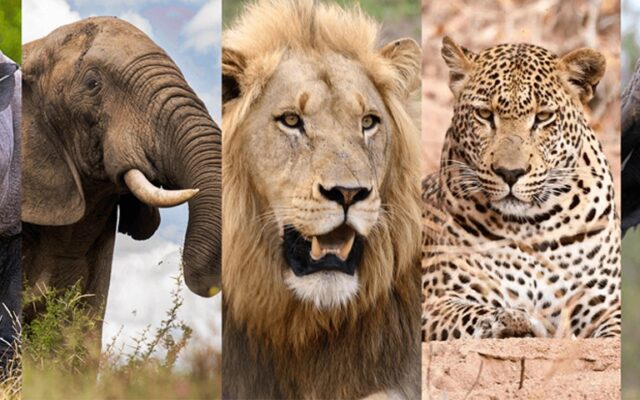
While primates often define Uganda's international reputation, the country also offers excellent opportunities to see Africa's famous Big Five. These iconic animals—lion, leopard, elephant, buffalo and rhinoceros—can all be observed during a well-planned Uganda Big Five safari. Unlike destinations where the Big Five are concentrated within a single reserve, Uganda encourages visitors to explore several remarkable conservation areas, creating a more varied and rewarding safari experience.
Elephants roam freely across Murchison Falls, Queen Elizabeth and Kidepo Valley National Parks, often appearing in impressive breeding herds that move steadily between grasslands and water sources. Buffaloes are among the country's most widespread mammals, gathering in enormous herds that sometimes number several hundred individuals. Lions patrol the open plains of Murchison Falls and Queen Elizabeth National Parks, while Ishasha's famous tree-climbing lions remain one of East Africa's most sought-after wildlife sightings.
Leopards, although naturally elusive, are regularly encountered by experienced safari guides during early morning and evening game drives. Their secretive behaviour makes every sighting particularly memorable, especially when photographed resting in acacia trees or quietly moving through long grass at sunrise. White rhinos complete Uganda's Big Five experience through guided walking safaris at Ziwa Rhino Sanctuary, where successful conservation efforts continue to expand the country's rhino population.
Uganda's Incredible Diversity of Antelope and Plains Game
Beyond the Big Five, Uganda supports an impressive variety of antelope species that contribute significantly to the country's healthy predator populations. Uganda kob, the country's national antelope, dominates many savannah ecosystems and serves as the primary prey species for lions in Queen Elizabeth National Park. Elegant waterbucks inhabit riverbanks, while hartebeests, topis, bushbucks, oribis and reedbucks occupy grasslands and woodland edges across different parks.
Lake Mburo National Park introduces visitors to species not commonly encountered elsewhere in Uganda, including large herds of zebras, graceful impalas and magnificent elands—the largest antelope in Africa. Together, these herbivores create vibrant wildlife communities that support healthy predator populations while offering excellent photographic opportunities throughout the year.
Giraffes, Hippos and Nile Crocodiles
Uganda's iconic wildlife extends well beyond predators and primates. The country's thriving population of Rothschild's giraffes represents one of Africa's greatest conservation achievements. Once facing severe decline, these elegant animals now flourish within Murchison Falls National Park, where visitors frequently encounter large groups browsing acacia trees across open plains. Their striking patterns and graceful movements make them among the most photographed animals during Uganda safari holidays.
Hippos dominate many of Uganda's rivers and lakes, particularly along the Nile and the Kazinga Channel. During daylight hours they remain partially submerged to regulate body temperature before emerging at night to graze across surrounding grasslands. Boat cruises provide exceptional opportunities to observe their complex social interactions while safely appreciating the immense size and power of these remarkable mammals.
Sharing these waterways are some of Africa's largest Nile crocodiles. These ancient reptiles have occupied African rivers for millions of years and remain highly effective predators. Watching a crocodile basking motionless beside the Nile while fish eagles soar overhead provides a vivid reminder that Uganda's ecosystems remain remarkably wild and ecologically intact.
Birdwatching Safaris – A Paradise for Bird Lovers
Among international birdwatchers, Uganda enjoys legendary status. With more than 1,090 recorded bird species, the country contains almost half of Africa's total bird diversity despite occupying only a tiny proportion of the continent's land area. This extraordinary richness has made Uganda birding safaris increasingly popular among both specialist ornithologists and casual wildlife enthusiasts.
Uganda's exceptional bird diversity reflects its equally diverse ecosystems. Wetlands support shoebills, jacanas and papyrus specialists, forests shelter colourful turacos, hornbills and broadbills, while savannahs provide habitat for bustards, secretary birds, rollers and bee-eaters. Mountain forests introduce entirely different communities of Albertine Rift endemics that occur nowhere else on Earth.
The legendary shoebill stork remains the country's most sought-after bird. Standing over one metre tall with its enormous shoe-shaped bill, this prehistoric-looking species attracts birdwatchers from across the globe. Mabamba Swamp, located near Entebbe, offers one of the world's most reliable opportunities to observe shoebills in their natural habitat, making it a popular addition to many safari itineraries before or after visiting Uganda's national parks.
Other outstanding birding destinations include Bwindi Impenetrable National Park, Kibale National Park, Queen Elizabeth National Park, Murchison Falls National Park, Semuliki National Park and the Bigodi Wetland Sanctuary. Each location contributes different species, allowing dedicated birdwatchers to record hundreds of species during a comprehensive Uganda safari tour.
Butterflies, Reptiles and the Smaller Wonders of Uganda
Although large mammals naturally receive most attention, Uganda's smaller wildlife contributes equally to the country's ecological richness. Dense forests support hundreds of butterfly species whose brilliant colours illuminate forest trails, while reptiles ranging from colourful chameleons to impressive monitor lizards inhabit a wide variety of habitats. Frogs, insects, orchids and countless indigenous plant species create healthy ecosystems that sustain larger wildlife populations and reward visitors willing to look beyond the obvious safari highlights.
Experienced safari guides often reveal fascinating details about animal tracks, insects, medicinal plants and ecological relationships that many visitors would otherwise overlook. These smaller discoveries transform a standard wildlife holiday into a far deeper appreciation of Uganda's remarkable natural heritage.
Conservation – The Foundation of Every Uganda Safari
The remarkable wildlife encountered during Uganda safaris exists because of decades of dedicated conservation work involving government agencies, local communities, international organisations and responsible tourism operators. National parks not only protect wildlife but also safeguard forests, watersheds, biodiversity and cultural heritage for future generations.
Responsible tourism has become one of conservation's most valuable tools. Gorilla permits fund anti-poaching patrols, safari lodge employment provides sustainable livelihoods for neighbouring communities, community tourism generates additional income, while visitor fees support infrastructure, ranger training and habitat management. Every safari therefore contributes directly to protecting Uganda's wildlife while creating economic opportunities for local people.
Choosing an experienced and responsible safari operator ensures that your journey supports these long-term conservation goals while providing meaningful experiences that respect wildlife, local communities and protected environments. It is this balance between tourism and conservation that continues to make Uganda safari holidays among the most sustainable wildlife experiences available in Africa.
Top Experiences and Things to Do on Uganda Safaris
One of the defining characteristics of Uganda safaris is the incredible variety of experiences available throughout the country. While wildlife remains the primary attraction, Uganda offers much more than traditional game drives. Every region introduces new adventures, landscapes, cultures and activities that transform an ordinary safari into a complete African journey. From trekking endangered mountain gorillas through ancient rainforest to cruising along the River Nile beneath the thunderous Murchison Falls, climbing extinct volcanoes, meeting indigenous communities, rafting world-class white-water rapids and watching the sunrise over endless savannah, every day presents an opportunity to experience a different side of the Pearl of Africa.
This diversity is one of the reasons why Uganda safari tours continue to grow in popularity among travellers seeking authentic and immersive holidays. Rather than spending several days repeating similar activities, visitors encounter new environments, different wildlife and unique cultural experiences throughout their journey. Every destination contributes its own character, ensuring that no two days on safari ever feel the same.
Game Drives – Experience Africa's Wildlife Up Close
The classic African game drive remains one of the highlights of every Uganda wildlife safari. Travelling in specially designed 4x4 safari vehicles with experienced guides allows visitors to explore vast protected areas while searching for some of Africa's most iconic wildlife. Early morning game drives begin before sunrise, when temperatures are cooler and wildlife is most active. As golden light spreads across the savannah, elephants emerge from woodland, lions return from night hunting, giraffes browse quietly among acacia trees and antelope graze across dew-covered plains.
Each national park offers a different game viewing experience. Murchison Falls National Park is renowned for its Rothschild's giraffes, elephants, lions and open grasslands, while Queen Elizabeth National Park combines traditional wildlife viewing with volcanic crater lakes and the famous tree-climbing lions of Ishasha. Kidepo Valley National Park provides one of Africa's most remote safari experiences, where expansive wilderness and remarkably few visitors create a genuine sense of exploration. Meanwhile, Lake Mburo National Park offers excellent opportunities to observe zebras, impalas, elands and giraffes within beautiful rolling landscapes.
Professional safari guides play an essential role during every game drive. Beyond locating wildlife, they interpret animal behaviour, explain ecological relationships, identify birds and plants, and share fascinating insights into Uganda's conservation efforts. Their knowledge transforms wildlife sightings into meaningful learning experiences, helping visitors appreciate not only what they see but also how entire ecosystems function together.
Boat Safaris – Discover Uganda from the Water
Water-based wildlife viewing is one of the most rewarding aspects of Uganda safari holidays. Boat cruises provide unique perspectives impossible to achieve during traditional game drives, allowing visitors to approach wildlife quietly while observing natural behaviour along rivers, lakes and wetlands. Uganda's extensive network of waterways creates several world-class boat safari destinations, each offering different scenery and wildlife.
The Nile boat cruise in Murchison Falls National Park is widely regarded as one of Africa's finest wildlife excursions. Travelling upstream toward the base of the falls, visitors pass enormous pods of hippos, basking Nile crocodiles, elephants drinking along the shoreline and countless bird species including African fish eagles, kingfishers, bee-eaters and herons. As the boat approaches the narrow gorge where the Nile explodes through solid rock, the sound of rushing water grows steadily louder until the magnificent falls dominate the surrounding landscape.
Equally spectacular is the Kazinga Channel boat cruise in Queen Elizabeth National Park. This natural channel linking Lakes George and Edward supports one of Africa's highest concentrations of hippos, alongside buffaloes, elephants, crocodiles and exceptional birdlife. For photographers, the close proximity of wildlife and constantly changing light create outstanding opportunities to capture memorable images throughout the journey.
Other rewarding boat experiences include canoe excursions on Lake Bunyonyi, shoebill expeditions through Mabamba Swamp, sunset cruises on Lake Victoria and wildlife boat trips within Lake Mburo National Park. Together, these experiences demonstrate why Uganda offers one of the continent's most diverse collections of aquatic safari activities.
Walking Safaris – Experience Nature on Foot
Few safari experiences create a stronger connection with nature than exploring the African wilderness on foot. Unlike game drives, walking safaris encourage visitors to slow down and appreciate the countless details often overlooked from a vehicle. Guided by experienced rangers, participants learn to identify animal tracks, recognise bird calls, understand plant ecology and interpret subtle signs of wildlife movement that reveal the hidden stories of the bush.
Lake Mburo National Park is Uganda's premier destination for guided walking safaris, where visitors regularly encounter giraffes, zebras, impalas, buffaloes and numerous bird species while safely accompanied by armed Uganda Wildlife Authority rangers. Walking through the landscape at ground level provides an entirely different perspective, allowing travellers to experience the sounds, scents and atmosphere of the African bush in a far more immersive way than traditional vehicle safaris.
Walking also forms an essential part of gorilla trekking, chimpanzee tracking, rhino tracking at Ziwa Rhino Sanctuary and many forest nature walks throughout Uganda. These activities combine physical adventure with exceptional wildlife encounters while encouraging a deeper appreciation of the country's extraordinary natural environments.
Birdwatching Safaris for Beginners and Experts
Birdwatching has become one of the fastest-growing components of Uganda safari tours. While dedicated birders often travel specifically to search for Uganda's endemic and Albertine Rift species, many general safari visitors quickly develop an appreciation for the country's extraordinary avian diversity. Brilliantly coloured kingfishers, majestic fish eagles, elegant crowned cranes, giant hornbills and tiny sunbirds add constant movement and colour to every safari experience.
Specialist birding itineraries frequently combine Mabamba Swamp, Kibale Forest, Bwindi Impenetrable National Park, Queen Elizabeth National Park, Murchison Falls National Park and Semuliki National Park, creating opportunities to observe several hundred species within a relatively short period. Even travellers with little previous interest in birds often leave Uganda amazed by the sheer abundance and diversity encountered throughout their journey.
Cultural Experiences That Enrich Every Safari
A memorable Uganda safari extends far beyond wildlife. Uganda is home to more than fifty ethnic groups, each contributing unique traditions, languages, music, architecture and cultural heritage. Integrating cultural experiences into safari itineraries provides valuable context for understanding how local communities have coexisted with wildlife and protected landscapes for generations.
The Batwa Cultural Experience near Bwindi and Mgahinga offers one of the country's most meaningful community tourism activities. Guided by Batwa elders, visitors learn about traditional forest survival techniques, medicinal plants, hunting methods, music and storytelling while gaining insight into the profound relationship between indigenous communities and the rainforest. These experiences help preserve cultural heritage while generating sustainable income for local families.
Elsewhere, travellers can visit Karamojong communities in northeastern Uganda, explore royal heritage associated with the Kingdom of Buganda, participate in coffee experiences on the slopes of Mount Elgon, visit vibrant local markets or enjoy traditional dance performances organised by community groups. These encounters create lasting human connections that complement Uganda's extraordinary wildlife experiences.
Adventure Activities Beyond Traditional Safaris
For travellers seeking additional excitement, Uganda offers an impressive range of adventure activities that can easily be incorporated into longer Uganda safari packages. Jinja, located at the source of the River Nile, is internationally recognised as East Africa's adventure capital. Here, visitors can experience world-class white-water rafting, kayaking, tubing, quad biking, horseback riding and bungee jumping against the spectacular backdrop of Africa's longest river beginning its journey northward.
Southwestern Uganda provides equally rewarding opportunities for adventure. Volcano hikes within Mgahinga Gorilla National Park challenge experienced hikers while rewarding them with panoramic views across three countries. The Rwenzori Mountains offer some of Africa's finest alpine trekking, while Mount Elgon combines waterfalls, caves and scenic hiking trails suitable for varying fitness levels. Canoeing on Lake Bunyonyi, cycling through rural villages, forest zip-lining and sport fishing on the Nile further demonstrate the remarkable diversity of activities available beyond conventional wildlife viewing.
Photography Safaris in Uganda
Uganda has become an increasingly popular destination for wildlife and landscape photographers. The country's exceptional variety of habitats allows photographers to capture dramatically different scenes within a single itinerary, from intimate portraits of mountain gorillas beneath rainforest canopies to expansive savannah landscapes filled with elephants, giraffes and dramatic African sunsets.
Morning and late afternoon game drives provide the best lighting conditions, while boat cruises offer unique low-angle perspectives of wildlife gathering along riverbanks. Forest environments challenge photographers to work creatively with filtered light, creating atmospheric images that differ greatly from traditional savannah photography. The country's colourful birdlife, vibrant local cultures and spectacular mountain scenery further expand photographic opportunities throughout every Uganda safari holiday.
Why Every Day on a Uganda Safari Feels Different
Perhaps the greatest strength of travelling through Uganda is the remarkable variety experienced from one day to the next. A single itinerary may begin with a sunrise game drive among elephants and lions, continue with a boat cruise surrounded by hippos and crocodiles, transition into rainforest trekking alongside chimpanzees, culminate in a life-changing gorilla encounter, and conclude beside the tranquil waters of Lake Bunyonyi. Every destination introduces new landscapes, different wildlife and fresh perspectives, ensuring that the journey remains engaging from beginning to end.
This combination of wildlife, adventure, culture and spectacular scenery explains why many travellers consider Uganda safaris among Africa's most rewarding travel experiences. Rather than focusing on a single attraction, Uganda offers an entire collection of unforgettable moments, each contributing to a journey that is as diverse as the country itself.
When Is the Best Time to Go on Uganda Safaris?
One of the questions we are asked most frequently is, "When is the best time to visit Uganda for a safari?" The simple answer is that Uganda safaris can be enjoyed throughout the year. Unlike destinations whose wildlife experiences depend heavily on seasonal migrations, Uganda offers exceptional wildlife viewing in every month. Mountain gorillas remain within their forest territories all year, chimpanzees can be tracked regardless of the season, national parks continue to support abundant wildlife, and birdwatching remains outstanding throughout the year. The best time to visit therefore depends less on wildlife availability and more on personal preferences regarding weather, photography, crowd levels, hiking conditions and travel budget.
Uganda's equatorial location gives the country a relatively stable climate with moderate temperatures throughout the year. Elevation plays a significant role in determining local weather conditions, meaning that cooler temperatures are experienced in the southwestern highlands while warmer conditions prevail in northern savannah parks. Rainfall is seasonal rather than extreme, and showers are often followed by sunshine, allowing safari activities to continue without major disruption.
Uganda Safaris During the Dry Seasons
The most popular months for Uganda safari tours are from June to September and December to February. These periods are generally regarded as the dry seasons and provide ideal conditions for wildlife viewing, gorilla trekking and photography. Forest trails are usually firmer, making hiking more comfortable, while vegetation in the savannah becomes less dense, improving visibility during game drives.
During the dry months, animals tend to gather around rivers, lakes and permanent water sources, increasing opportunities to observe elephants, buffaloes, antelopes and predators. Boat safaris on the Nile and the Kazinga Channel are particularly rewarding as wildlife concentrates along the shoreline. The clearer skies and softer morning light also create excellent conditions for landscape and wildlife photography, making these months especially attractive to photographers.
Because demand is highest during these periods, it is advisable to book Uganda gorilla permits, accommodation and safari vehicles several months in advance, particularly if travelling during July, August, Christmas or New Year. Early planning ensures greater flexibility when selecting preferred trekking sectors and safari lodges.
Travelling During the Green Season
The months of March to May and October to November are often referred to as Uganda's green seasons. While these periods experience increased rainfall, they also offer several important advantages that many experienced travellers appreciate. The countryside becomes incredibly lush, forests appear vibrant, waterfalls flow more dramatically and the landscapes are transformed into brilliant shades of green that justify Uganda's reputation as the Pearl of Africa.
Wildlife remains abundant throughout the green season, although thicker vegetation may occasionally make animals slightly more challenging to spot during game drives. On the other hand, birdwatching reaches its peak as migratory species arrive, forests become exceptionally active and breeding plumage adds spectacular colour to many bird species. Photographers often favour these months because dramatic cloud formations, mist-covered mountains and vivid vegetation create unique and atmospheric images.
Another significant advantage of travelling during the green season is reduced visitor numbers. National parks, lodges and gorilla trekking groups are generally quieter, creating more exclusive wildlife experiences while many accommodation providers offer attractive seasonal rates. For travellers seeking excellent value, the green season represents an outstanding opportunity to enjoy Uganda safari holidays at lower overall costs.
Month-by-Month Guide to Uganda Safaris
January begins the year with warm, relatively dry conditions across most of Uganda. It is one of the best months for gorilla trekking, chimpanzee tracking and wildlife safaris, with excellent visibility during game drives and comfortable hiking conditions in the forests.
February continues the dry season and remains ideal for photography, birdwatching and wildlife viewing. Rivers attract large numbers of animals, making boat cruises particularly rewarding.
March introduces the first seasonal rains, bringing greener landscapes and fewer visitors. Wildlife remains excellent while accommodation prices often become more competitive.
April is typically the wettest month in many parts of Uganda. Although some forest trails become more challenging, experienced travellers enjoy beautiful scenery, quiet parks and exceptional birdwatching opportunities.
May marks the transition towards drier conditions. Forests remain lush, waterfalls are impressive and wildlife viewing gradually improves as rainfall decreases.
June begins one of the country's peak safari seasons. Cooler temperatures, clearer skies and excellent trekking conditions make it one of the most popular months for Uganda safari packages.
July and August are among the busiest months for tourism. Gorilla permits are in particularly high demand, while game viewing reaches excellent levels throughout Uganda's major national parks.
September continues to offer favourable conditions while visitor numbers gradually begin to decline. Landscapes remain attractive and wildlife viewing remains consistently rewarding.
October introduces lighter rains that revitalise forests and grasslands. Birdwatchers especially appreciate this period as migratory species begin arriving.
November remains relatively quiet with lush scenery, lower accommodation rates and excellent opportunities for travellers seeking a less crowded safari experience.
December marks the return of drier weather and increased visitor numbers as the festive season approaches. Christmas and New Year are extremely popular, making advance booking highly recommended.
Weather and Climate Across Uganda
Although Uganda lies close to the Equator, its climate is surprisingly comfortable due to variations in altitude. Daytime temperatures within most safari destinations generally range between 22°C and 30°C, while evenings in higher elevations such as Bwindi, Mgahinga and Lake Bunyonyi can become noticeably cooler. Travellers should therefore pack lightweight clothing for daytime activities together with warmer layers for early morning game drives and cool mountain evenings.
Rain can occur at almost any time of year, particularly in rainforest regions, which is why waterproof jackets, hiking boots and quick-drying clothing are recommended regardless of travel season. Fortunately, rainfall rarely disrupts entire days of safari activities, as showers are often brief and localised before sunshine quickly returns.
How Much Do Uganda Safaris Cost?
The cost of a Uganda safari varies considerably depending on several important factors, including the duration of the trip, accommodation category, number of travellers, transportation method, activities included and whether gorilla trekking permits are required. Because every itinerary is different, safari prices are usually customised rather than fixed, allowing travellers to design experiences that match both their interests and budget.
Budget safaris generally use comfortable guesthouses, permanent tented camps or simple lodges while sharing vehicle costs among several travellers. Mid-range safaris offer higher-quality accommodation, excellent meals and well-located lodges that balance comfort and affordability. Luxury Uganda safari tours include premium lodges, spacious cottages, gourmet dining, private guides and, in some cases, domestic charter flights that significantly reduce travel time between destinations.
For travellers interested in gorilla trekking, permit fees form an important part of the overall safari budget. These permits contribute directly to conservation, ranger salaries, veterinary care and community development around protected forests. Although they represent a significant investment, most visitors agree that the experience of standing face-to-face with a wild gorilla family is worth every dollar.
Choosing the Right Accommodation
Uganda offers accommodation to suit virtually every travel style. Whether you are looking for simple guesthouses, family-friendly lodges, romantic safari camps or world-class luxury properties, every major safari destination provides carefully selected options that combine comfort with excellent access to wildlife activities.
Budget accommodation focuses on clean, comfortable rooms with private facilities and good food, making it ideal for travellers prioritising wildlife experiences over luxury amenities. Mid-range lodges provide larger rooms, scenic locations, swimming pools and enhanced service while remaining affordable for most visitors. Luxury safari lodges elevate the experience further through elegant suites, personalised service, exceptional cuisine, spa facilities and breathtaking locations overlooking forests, rivers or savannah landscapes.
One of the pleasures of travelling across Uganda is experiencing different styles of accommodation. Forest lodges near Bwindi immerse guests within ancient rainforest, riverside properties overlook the Nile, savannah lodges provide front-row views of wildlife and lakeside retreats offer peaceful surroundings after active days of trekking and game viewing. Each property becomes part of the overall safari experience rather than simply a place to spend the night.
Getting Around During a Uganda Safari
Most visitors explore Uganda using customised 4x4 safari vehicles driven by professional guides. Road transfers provide opportunities to experience the country's diverse scenery, passing villages, tea plantations, mountain landscapes, local markets and agricultural communities that many visitors would otherwise never encounter. Although some driving distances are substantial, the constantly changing scenery makes every journey an enjoyable part of the overall safari.
Travellers with limited time may choose domestic flights connecting Entebbe with parks such as Murchison Falls, Kidepo, Bwindi and Queen Elizabeth. Fly-in safaris reduce travel time considerably while providing spectacular aerial views of Uganda's rivers, forests and mountains. Many luxury itineraries combine domestic flights with private ground transportation to maximise comfort without sacrificing wildlife experiences.
Whether travelling by road, air or a combination of both, Uganda's transportation network allows safari itineraries to be customised according to individual preferences, available time and overall budget, ensuring that every visitor can experience the country's extraordinary wildlife and landscapes in the most suitable way.
Choosing the Perfect Uganda Safari Package
Every traveller arrives in Uganda with different expectations, interests and travel goals, which is why there is no single safari itinerary that suits everyone. The best Uganda safari package is one that balances your available time, budget, preferred accommodation, fitness level and the experiences that matter most to you. Some visitors travel halfway around the world with one dream in mind—to stand quietly in front of a family of endangered mountain gorillas. Others wish to photograph Africa's iconic wildlife, search for rare birds, hike volcanic mountains, experience authentic cultures or simply relax while enjoying spectacular landscapes. Uganda is one of the few countries where all of these interests can be combined into one seamless journey.
Planning a safari is about far more than deciding which national parks to visit. It involves carefully balancing driving distances, selecting the right accommodation, securing gorilla permits, choosing suitable activities, understanding seasonal conditions and allowing enough time to appreciate each destination without feeling rushed. A thoughtfully designed itinerary transforms a holiday into a memorable experience, while a poorly planned route can result in unnecessary long drives and missed opportunities. Working with experienced local safari specialists ensures every day contributes meaningfully to your overall journey.
Short Uganda Safaris (3–5 Days)
Short Uganda safaris are ideal for travellers with limited time or those combining Uganda with neighbouring destinations such as Rwanda, Kenya or Tanzania. These itineraries usually focus on one or two major attractions, allowing visitors to enjoy world-class experiences without attempting to cover excessive distances.
The most popular three-day itinerary centres on gorilla trekking in Bwindi Impenetrable National Park. Travellers depart from either Entebbe or Kigali before spending a full day tracking mountain gorillas and returning on the third day. Despite its short duration, this itinerary delivers one of Africa's greatest wildlife experiences and remains among the continent's most sought-after safari holidays.
Four and five-day itineraries allow additional flexibility. Visitors may combine gorilla trekking with Lake Bunyonyi, golden monkey trekking in Mgahinga, chimpanzee tracking, Queen Elizabeth National Park or Lake Mburo National Park. These journeys provide an excellent introduction to Uganda while maintaining a comfortable pace.
Classic Uganda Safari Tours (6–10 Days)
For many travellers, six to ten days represents the ideal duration for exploring Uganda. This timeframe allows visitors to combine the country's most famous attractions while enjoying sufficient time for wildlife viewing, photography and relaxation. A typical itinerary might begin with rhino tracking at Ziwa Rhino Sanctuary before continuing to Murchison Falls National Park for game drives and a Nile boat cruise. From there, the journey often continues to Kibale National Park for chimpanzee tracking, Queen Elizabeth National Park for classic wildlife safaris and finally Bwindi Impenetrable National Park for gorilla trekking.
This route introduces visitors to Uganda's remarkable ecological diversity, moving from open savannah to tropical rainforest while showcasing the country's most iconic wildlife. It remains one of the highest-rated Uganda safari packages because it combines primates, traditional game viewing, boat safaris and breathtaking scenery within a manageable travel period.
Extended Uganda Safari Holidays (11–21 Days)
Travellers fortunate enough to have additional time can experience Uganda far more comprehensively. Extended Uganda safari holidays allow visitors to explore remote destinations that shorter itineraries often omit while travelling at a more relaxed pace. Parks such as Kidepo Valley, Semuliki, Mount Elgon and the Rwenzori Mountains become practical additions, while adventure activities including white-water rafting, volcano hiking, canoeing and cultural experiences can be incorporated without sacrificing wildlife viewing.
Longer journeys also create opportunities for specialist safaris. Birdwatchers can explore Uganda's richest habitats over two weeks, photographers can spend extended time waiting for perfect lighting and wildlife behaviour, while primate enthusiasts may combine gorilla trekking, gorilla habituation, chimpanzee tracking and golden monkey trekking within one extraordinary expedition.
Luxury Uganda Safaris
Luxury travel in Uganda has developed significantly over the past decade, with an increasing number of world-class lodges offering exceptional comfort in spectacular wilderness settings. Luxury Uganda safaris combine exclusive accommodation, private safari vehicles, highly experienced guides, fine dining and personalised service with some of Africa's greatest wildlife experiences.
Many luxury itineraries include scheduled or private charter flights between destinations, dramatically reducing travel times while providing breathtaking aerial views of Uganda's mountains, forests and rivers. Guests can enjoy elegant forest lodges overlooking Bwindi, riverside retreats along the Nile, exclusive safari camps within Queen Elizabeth National Park and luxurious island lodges on Lake Victoria or Lake Bunyonyi. These carefully selected properties provide outstanding hospitality while maintaining close connections to the surrounding natural environment.
Budget Uganda Safaris
One of Uganda's greatest advantages is that unforgettable safari experiences are available across a wide range of budgets. Budget Uganda safaris focus on maximising wildlife encounters while reducing accommodation and transport costs. Comfortable guesthouses, permanent tented camps and well-managed budget lodges provide clean rooms, excellent meals and convenient locations near national parks without unnecessary luxury.
Importantly, choosing budget accommodation does not reduce the quality of wildlife experiences. Gorilla trekking, chimpanzee tracking, game drives and boat cruises remain exactly the same regardless of where visitors stay. The primary differences relate to room size, lodge facilities, dining style and personalised services rather than the wildlife itself.
Family Uganda Safaris
Families increasingly choose Uganda because of the country's wide variety of activities suitable for different age groups. Although gorilla trekking has a minimum age requirement of fifteen years, younger travellers can still enjoy game drives, boat safaris, rhino tracking, cultural experiences, nature walks and educational wildlife encounters throughout much of the country.
Family-friendly itineraries often include shorter driving distances, accommodation with swimming pools, flexible schedules and activities designed to keep children engaged. Many lodges offer spacious family cottages, while experienced guides adapt game drives to suit younger guests by explaining wildlife behaviour in interesting and interactive ways.
Honeymoon Safaris in Uganda
Uganda provides a wonderfully romantic setting for honeymooners seeking something beyond a traditional beach holiday. Imagine beginning your marriage by sharing an unforgettable gorilla trekking experience before relaxing in luxury forest lodges, enjoying private boat cruises, watching spectacular African sunsets and unwinding beside the peaceful waters of Lake Bunyonyi. These intimate experiences create memories that last a lifetime while offering privacy and exclusivity difficult to find in more crowded destinations.
Combining Uganda with Other East African Destinations
Many international travellers choose to combine Uganda safaris with neighbouring countries, creating extraordinary multi-country journeys across East Africa. Rwanda is the most common extension, allowing visitors to combine Kigali's vibrant city atmosphere with Uganda's wildlife and gorilla trekking. Kenya adds the famous Maasai Mara and <a class="ust-lr-interlink" href="https://www.ugandasafaritours.com/destinations/amboseli-national-park/">Amboseli National Park, while Tanzania introduces the Serengeti, <a class="ust-lr-interlink" href="https://www.ugandasafaritours.com/destinations/ngorongoro-crater/">Ngorongoro Crater and Zanzibar's tropical beaches.
These combinations provide remarkable variety while allowing travellers to compare different ecosystems, wildlife and cultures across East Africa. Because Uganda occupies a central position within the region, it integrates naturally into longer itineraries covering several countries.
Travel Tips for Planning Your Uganda Safari
Successful Uganda safari tours begin with careful planning. Gorilla permits should be reserved several months in advance, particularly during the peak travel seasons between June and September and December to February. Travellers should also ensure passports remain valid for at least six months beyond travel dates and check current visa and vaccination requirements before departure.
Packing lightweight clothing in neutral colours, comfortable hiking boots, waterproof jackets, binoculars, cameras, insect repellent and sun protection will ensure travellers are well prepared for Uganda's varied environments. Layered clothing is particularly useful because temperatures vary significantly between warm savannah parks and the cool mountain forests of Bwindi and Mgahinga.
Most importantly, visitors should allow enough time to enjoy the journey. Uganda rewards travellers who move at a comfortable pace, taking time to appreciate landscapes, local communities and unexpected wildlife encounters rather than rushing between destinations. The country's greatest treasures often reveal themselves during quiet moments—a sunrise over the savannah, birds calling through mist-covered forests or a peaceful evening overlooking one of Africa's beautiful crater lakes.