


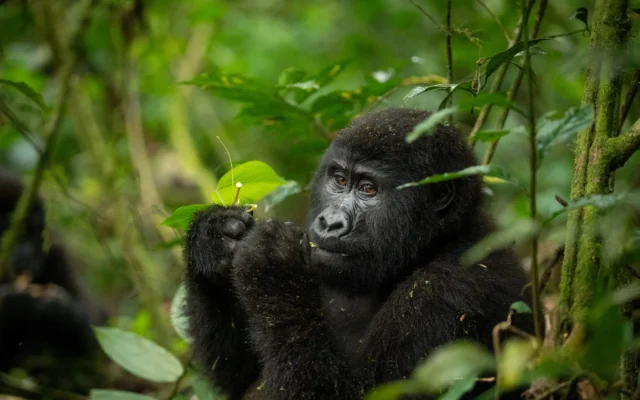
Gorilla Habituation Experience is widely regarded as one of the most exclusive wildlife encounters available anywhere in the world. Unlike traditional Gorilla Trekking in Uganda, where visitors spend one hour observing a fully habituated gorilla family, the Gorilla Habituation Experience allows participants to spend up to four hours with a semi-habituated mountain gorilla family while accompanying researchers, trackers, conservationists, and Uganda Wildlife Authority rangers during the habituation process.
Available only in Uganda, this extraordinary activity offers visitors a rare opportunity to witness mountain gorillas at a crucial stage of their interaction with humans. Participants become part of an ongoing conservation effort aimed at gradually helping wild gorillas become accustomed to human presence without altering their natural behaviors. The result is a deeper, more intimate, and more educational experience than traditional gorilla trekking.
For wildlife enthusiasts, photographers, conservation supporters, researchers, documentary filmmakers, and repeat safari travelers, the Gorilla Habituation Experience represents the pinnacle of primate tourism. Spending four hours observing gorilla social interactions, feeding behavior, communication, play, nesting habits, and family dynamics provides insights that simply cannot be achieved during a standard one-hour gorilla visit.
This comprehensive guide explores everything you need to know about the Gorilla Habituation Experience, including how it works, where it takes place, what to expect, permit costs, preparation tips, conservation benefits, and why many travelers consider it one of Africa’s greatest wildlife adventures.
What Is Gorilla Habituation?
Gorilla habituation is the gradual process through which wild mountain gorillas become accustomed to the presence of humans.
This process is carefully managed by:
- Uganda Wildlife Authority (UWA)
- Researchers
- Veterinarians
- Conservationists
- Experienced trackers
The goal is to allow gorillas to remain relaxed around humans while maintaining their natural behavior patterns.
Habituation often takes several years before a gorilla family becomes available for standard tourism activities.
What Makes the Gorilla Habituation Experience Different?
The key difference lies in both the duration and the nature of the interaction.
| Activity | Time with Gorillas | Gorilla Family Status |
|---|---|---|
| Gorilla Trekking | 1 Hour | Fully Habituated |
| Gorilla Habituation Experience | Up to 4 Hours | Semi-Habituated |
The habituation experience offers significantly more time with the gorillas and greater insight into conservation work.
Where Does the Gorilla Habituation Experience Take Place?
The activity is conducted exclusively in:
Specifically, most habituation activities occur in the:
- Rushaga sector
Located in southwestern Uganda, Rushaga is one of the most important gorilla conservation areas in Africa.
Why Bwindi Impenetrable National Park?
Bwindi is home to nearly half of the world’s remaining mountain gorilla population.
The park offers:
- Dense tropical forest
- Exceptional biodiversity
- Numerous gorilla families
- Important conservation infrastructure
Its ecological significance makes it ideal for both tourism and research.
How the Day Begins
The experience starts early in the morning.
Participants report to the park headquarters for:
- Registration
- Permit verification
- Safety briefing
- Introduction to rangers and trackers
Visitors learn about gorilla behavior, trekking protocols, conservation guidelines, and safety procedures.
The Trek Through the Forest
After the briefing, participants begin trekking into the forest.
The trek may involve:
- Steep slopes
- Dense vegetation
- Muddy trails
- Variable weather conditions
Tracking teams communicate with advance trackers who locate the gorillas before visitors arrive.
Trekking times vary significantly depending on the gorillas’ movements.
The First Gorilla Encounter
One of the most exciting moments occurs when the gorillas are finally located.
Participants may first observe:
- Silverbacks
- Adult females
- Juveniles
- Playful infants
The initial sighting often becomes one of the most memorable moments of the entire safari.
Spending Four Hours with Mountain Gorillas
The defining feature of the Gorilla Habituation Experience is the extended viewing period.
Visitors can spend:
- Up to four hours observing the gorilla family.
This provides opportunities to witness a wide range of behaviors.
Observing Gorilla Family Dynamics
Extended viewing allows participants to understand the complexity of gorilla social life.
Common observations include:
- Family interactions
- Grooming behavior
- Communication
- Play among juveniles
- Maternal care
- Dominance displays
Few wildlife experiences offer such intimate insights into animal behavior.
Meeting the Silverback
The dominant silverback typically leads the gorilla family.
Visitors often observe:
- Protective behavior
- Leadership roles
- Interactions with group members
- Feeding activities
Watching a silverback at close range is an unforgettable experience.
Baby Gorillas and Juveniles
Young gorillas are often the most entertaining family members.
They frequently engage in:
- Play fighting
- Climbing
- Exploration
- Social interaction
Extended observation increases opportunities to witness these behaviors.
Learning from Researchers and Rangers
A major advantage of the experience is direct interaction with experts.
Participants gain insights into:
- Conservation challenges
- Research techniques
- Habituation methods
- Gorilla behavior
- Veterinary monitoring
This educational component adds tremendous value.
Photography Opportunities
The four-hour viewing period provides exceptional photography opportunities.
Advantages include:
- Flexible lighting conditions
- Behavioral photography
- Portrait opportunities
- Family interaction shots
Many wildlife photographers prefer habituation to traditional trekking for this reason.
Permit Cost for Gorilla Habituation
The Gorilla Habituation Experience requires a special permit.
Current permit cost:
| Activity | Permit Cost |
|---|---|
| Gorilla Habituation Experience | USD 1,500 Per Person |
The permit contributes directly to conservation and community development programs.
Why the Permit Is Limited
To minimize stress on the gorillas, participation is highly restricted.
Typically:
- Only four visitors are allowed per day per gorilla family.
This makes the experience highly exclusive.
Physical Fitness Requirements
Participants should be reasonably fit.
Trekking may involve:
- Several hours of hiking
- Steep terrain
- Dense forest conditions
- High humidity
Preparation helps ensure a comfortable experience.
What to Wear
Recommended clothing includes:
- Long trousers
- Long-sleeved shirts
- Waterproof jacket
- Hiking boots
- Garden gloves
- Hat
Proper clothing improves comfort and protection.
What to Bring
Essential items include:
- Camera
- Extra batteries
- Water
- Packed lunch
- Insect repellent
- Personal medications
Travelers should pack lightly but thoughtfully.
Conservation Impact of Gorilla Habituation
Tourism revenue generated through habituation contributes directly to:
- Gorilla protection
- Research programs
- Anti-poaching initiatives
- Community projects
- Park management
Responsible tourism has played a major role in mountain gorilla conservation success.
Community Benefits
Local communities benefit through:
- Employment opportunities
- Tourism revenue sharing
- Community development projects
- Conservation partnerships
These benefits encourage local support for conservation efforts.
Who Should Choose Gorilla Habituation?
The experience is ideal for:
- Wildlife enthusiasts
- Photographers
- Researchers
- Conservation supporters
- Repeat gorilla trekkers
- Luxury safari travelers
Those seeking maximum gorilla interaction often find habituation superior to standard trekking.
Combining Habituation with Other Safari Activities
Many visitors combine habituation with:
- Chimpanzee tracking
- Wildlife safaris
- Birdwatching tours
- Cultural experiences
- Lake Bunyonyi excursions
This creates a well-rounded Uganda safari itinerary.
Best Time for Gorilla Habituation
The activity is available throughout the year.
Popular travel periods include:
- June to September
- December to February
These months often offer favorable trekking conditions.
Why the Gorilla Habituation Experience Is Unique
No other wildlife activity provides such prolonged access to wild great apes in their natural habitat while simultaneously involving visitors in active conservation efforts.
The combination of exclusivity, education, photography opportunities, and conservation significance makes the experience truly exceptional.
Final Thoughts on the Gorilla Habituation Experience
Gorilla Habituation Experience is one of Africa’s most remarkable wildlife adventures. By allowing visitors to spend up to four hours with a semi-habituated mountain gorilla family while working alongside researchers and trackers, it provides a deeper understanding of gorilla behavior, conservation, and ecology than traditional gorilla trekking.
From observing powerful silverbacks and playful infants to learning directly from conservation experts and contributing to long-term gorilla protection, every aspect of the experience is both educational and inspiring. For travelers seeking the most immersive mountain gorilla encounter possible, the Gorilla Habituation Experience stands among the finest wildlife activities available anywhere in the world and remains one of Uganda’s greatest safari treasures.
 Read
Read