

1,000+
Bird species
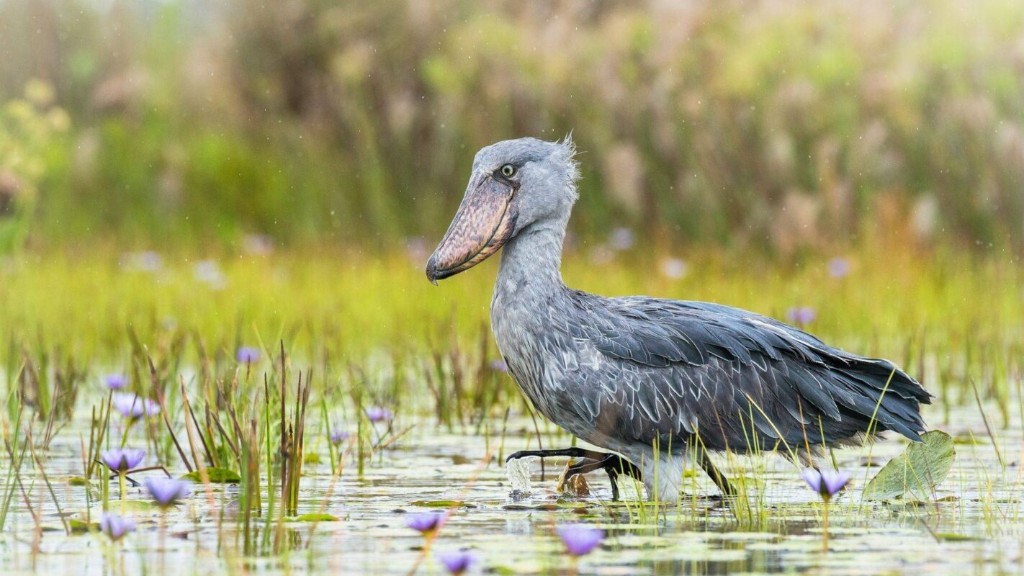
Shoebill
Top wetland target
Albertine Rift
Endemic birding zone
10+
Key birding parks
Introduction: Birding in Uganda
Birding in Uganda offers one of the richest and most rewarding birdwatching experiences in Africa. Known as the “Pearl of Africa,” Uganda is home to over 1,000 recorded bird species, making it a global hotspot for bird enthusiasts, photographers, and nature travelers.
From the iconic Shoebill Stork in Mabamba Swamp to the rare Albertine Rift endemics in Bwindi Impenetrable National Park, and the diverse savannah species in Queen Elizabeth National Park, Uganda provides unmatched bird diversity across multiple ecosystems.
This complete guide explores everything you need to know about birding in Uganda, including habitats, top destinations, best time to visit, key species, and expert tips for a successful birdwatching safari.
Why Birding in Uganda Is World-Class
Uganda is considered one of the best birding destinations in the world due to:
- Over 1,000 bird species recorded
- 10% of global bird species found in one country
- Multiple unique ecosystems in a small geographic area
- High concentration of rare and endemic species
- Excellent accessibility to birding locations
Top Birding Habitats in Uganda
1. Wetlands and Swamps
Wetlands are among the most productive birding habitats.
- Mabamba Swamp (Shoebill hotspot)
- Lake Victoria shores
- Kidepo valley wetlands
2. Tropical Rainforests
Uganda’s forests are rich in endemic species.
3. Savannah Ecosystems
Open landscapes support raptors and large flocks.
Top Bird Species in Uganda
Some of the most sought-after birds include:
- Shoebill Stork
- African Green Broadbill
- Great Blue Turaco
- Grey Crowned Crane
- Black Bee-eater
- Malachite Kingfisher
- African Fish Eagle
Best Time for Birding in Uganda
Birding in Uganda is excellent year-round, but the best times are:
Dry Season
- June to August
- December to February
Best for visibility and accessibility.
Wet Season
- March to May
- October to November
Best for breeding activity and photography.
Best Birding Destinations in Uganda
Mabamba Swamp
- Best place for Shoebill Stork
- Near Entebbe and Kampala
Bwindi Impenetrable National Park
- Albertine Rift endemics
- Dense rainforest birding
Queen Elizabeth National Park
- Boat birding on Kazinga Channel
- Raptors, flamingos, and waterbirds
Murchison Falls National Park
- Nile River bird diversity
- High concentration of waterbirds
Birding Activities in Uganda
- Forest bird walks
- Boat birding safaris
- Swamp excursions
- Game drives with bird focus
- Photography birding tours
What Makes Uganda Unique for Birding?
- Combination of Central, East, and West African species
- High endemism in Albertine Rift region
- Accessible birding locations across the country
- Year-round birding opportunities
Birding Difficulty Levels
Beginner-Friendly
- Entebbe Botanical Gardens
- Mabamba Swamp
Intermediate
- Queen Elizabeth National Park
- Murchison Falls National Park
Advanced
- Bwindi Impenetrable Forest
- Semuliki National Park
Birding Guide Importance
Professional bird guides improve success rates by:
- Identifying bird calls
- Locating rare species
- Understanding seasonal movements
- Enhancing photography opportunities
Conclusion: Uganda as a Global Birding Paradise
Birding in Uganda is a world-class experience that combines rich biodiversity, diverse habitats, and exceptional accessibility. Whether you are a beginner or an expert birder, Uganda offers unmatched opportunities to observe rare and endemic species in stunning natural environments.
From wetlands filled with Shoebills to ancient forests alive with Albertine Rift endemics, Uganda remains one of the most important birding destinations on Earth.
Planning a Birding Itinerary
Most serious birders allocate 10–14 days to cover Uganda’s core habitats without rushing. A classic route starts with Entebbe and Mabamba for shoebill, continues north to Murchison Falls for savannah and Nile specials, then swings southwest through Kibale, Queen Elizabeth, and Bwindi for forest and Albertine Rift targets. Kidepo in the far northeast rewards those with extra time and appetite for remote driving.
Pair habitat blocks logically—wetland mornings, savannah afternoons, forest dawn walks—to avoid back-to-back exhausting trail days. See birding for beginners if this is your first trip, and birding tours for operator-led circuits.
Gear and Field Etiquette
Bring 8×42 or 10×42 binoculars, a rain shell, neutral clothing, and a field guide or offline app with East Africa plates. Playback of calls is restricted in some parks—follow your guide and UWA rules. Tip community guides at Mabamba and Bigodi fairly; they often find shoebills and pitta sites that general drivers miss.
Birding Costs and Permits
Birding safaris share the same vehicle, guide, and park-entry structure as wildlife trips, with optional specialist bird-guide supplements of USD 40–80 per day. Gorilla or chimp permits sit outside birding fees if you add primates. Model totals via birding safari cost and the wider safari cost hub.
Peak months (June–August, December–February) book lodges near Bwindi and Kibale early. Shoulder rains often mean fewer vehicles on forest tracks and excellent photography light—pack waterproof boots and read best time to visit Uganda before locking dates.
Recording and Conservation
Submitting checklists to eBird or iNaturalist helps researchers track range changes—ask guides which sites to generalise for sensitive species. Support community wetlands like Mabamba by using licensed canoe operators who pay village associations. Avoid playback where restricted; Albertine Rift endemics deserve calm, patient observation rather than chase tourism.
 Read
Read