Introduction
A 10 Day Uganda Cultural Safari offers travelers the opportunity to discover the rich traditions, heritage, customs, music, dance, cuisine, and lifestyles of Uganda’s diverse communities. While Uganda is internationally famous for gorilla trekking, wildlife safaris, and chimpanzee tracking, the country’s greatest treasure is its people and cultures.
Uganda is home to more than 65 indigenous ethnic groups, each with unique traditions, languages, ceremonies, architecture, folklore, dress codes, and cultural practices. A cultural safari allows visitors to move beyond wildlife viewing and gain meaningful insights into everyday life, historical kingdoms, traditional leadership systems, and community conservation initiatives.
During a 10-day journey through Uganda, travelers can explore the ancient Kingdom of Buganda, visit the pastoral communities of Ankole, experience the traditions of the Batwa forest people, meet the Karamojong warriors of northeastern Uganda, discover the Tooro Kingdom, and participate in community-based tourism experiences that create lasting connections with local people.
A 10 Day Uganda Cultural Safari combines history, heritage, adventure, education, and authentic cultural exchange into one unforgettable travel experience.
Why Choose a Uganda Cultural Safari?
Uganda offers one of Africa’s richest cultural landscapes. Unlike many destinations where culture is presented only through performances, Uganda provides opportunities for genuine interaction with local communities.
Reasons to choose a Uganda Cultural Safari include:
- More than 65 ethnic groups
- Multiple recognized cultural kingdoms
- Rich oral traditions and storytelling
- Authentic village experiences
- Traditional music and dance performances
- Indigenous food experiences
- Community tourism projects
- Historical and archaeological sites
- Cultural conservation initiatives
- Opportunities for meaningful cultural exchange
A cultural safari allows visitors to understand the human side of Uganda while supporting local communities.
Uganda’s Cultural Diversity
Uganda’s cultural identity is shaped by centuries of migration, trade, kingdoms, and indigenous traditions.
Major cultural regions include:
Central Uganda
Home to the Buganda Kingdom and the Baganda people.
Western Uganda
Includes the Banyankole, Bakiga, Batooro, and Banyoro communities.
Eastern Uganda
Home to the Bagisu, Bagwere, Basoga, and Iteso peoples.
Northern Uganda
Includes the Acholi, Langi, Alur, and Lugbara communities.
Northeastern Uganda
Known for the Karamojong and their unique pastoral culture.
Each region offers distinct customs, ceremonies, music, cuisine, and social structures.
Exploring the Kingdom of Buganda
The Buganda Kingdom is Uganda’s largest traditional kingdom and remains highly influential today.
Highlights of Buganda cultural experiences include:
- Kabaka’s Palace
- Bulange Parliament
- Kasubi Tombs
- Traditional clan systems
- Royal history
- Cultural museums
Visitors gain insight into one of Africa’s most enduring traditional monarchies.
Traditional Buganda culture emphasizes respect, community, leadership, and family values.
Tooro Kingdom Cultural Experiences
Located in western Uganda, the Tooro Kingdom is known for its hospitality and rich traditions.
Visitors can explore:
- Karuzika Palace
- Royal cultural institutions
- Traditional dance performances
- Clan heritage systems
- Local storytelling traditions
The Tooro people maintain many traditional customs while embracing modern development.
Ankole Cultural Experiences
The Ankole region is famous for its magnificent Ankole Long-Horned Cattle.
A visit to Ankole offers opportunities to:
- Learn traditional cattle keeping practices
- Participate in milk processing
- Experience traditional homesteads
- Discover local folklore
- Taste regional cuisine
The relationship between cattle and cultural identity remains central to life in Ankole.
Batwa Cultural Encounters
The Batwa are among Uganda’s oldest indigenous communities.
Historically forest dwellers, the Batwa lived within the forests of southwestern Uganda for centuries.
Cultural experiences include:
- Traditional forest skills demonstrations
- Hunting techniques
- Medicinal plant knowledge
- Traditional music
- Storytelling sessions
- Cultural dances
Batwa experiences provide valuable insight into indigenous knowledge systems and forest conservation.
Karamojong Cultural Experiences
The Karamojong people of northeastern Uganda maintain one of East Africa’s most distinctive cultures.
Visitors can learn about:
- Traditional pastoral lifestyles
- Livestock-based economies
- Warrior traditions
- Traditional architecture
- Community leadership systems
- Indigenous survival skills
The Karamoja region offers one of the most authentic cultural experiences in Uganda.
Community Tourism Experiences
Community tourism forms an important component of a Uganda Cultural Safari.
These experiences allow travelers to interact directly with local residents while contributing to community development.
Activities may include:
- Village walks
- Home visits
- Traditional cooking lessons
- Handicraft workshops
- Storytelling sessions
- Agricultural experiences
- Local market visits
Community tourism creates meaningful connections between visitors and hosts.
Traditional Music and Dance
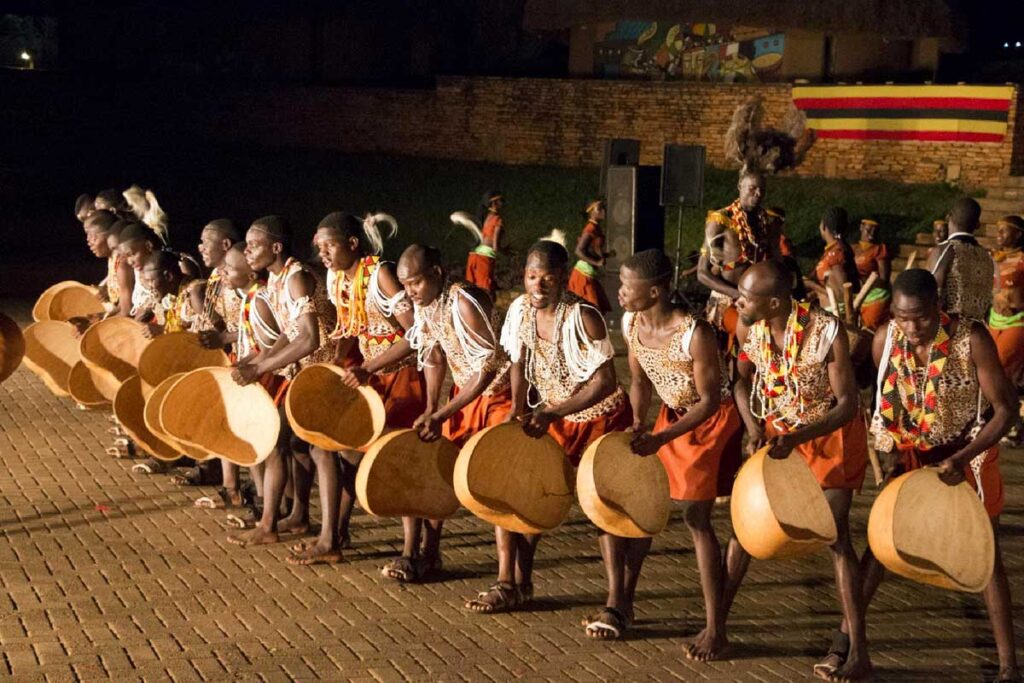
Music and dance play a central role in Ugandan culture.
Different communities maintain unique performance styles.
Visitors may enjoy:
Baganda Dance
Featuring energetic drumming and rhythmic movements.
Banyankole Dance
Celebrating pastoral traditions and cattle culture.
Karamojong Dance
Reflecting warrior heritage and community unity.
Batwa Performances
Sharing indigenous songs and stories through music.
Cultural performances provide insight into Uganda’s diverse traditions.
Traditional Food Experiences
Uganda’s cuisine reflects its cultural diversity and agricultural abundance.
Popular dishes include:
- Matooke
- Luwombo
- Groundnut sauce
- Millet bread
- Posho
- Roasted goat
- Fresh tropical fruits
Visitors often participate in cooking demonstrations and traditional meal preparation.
Food experiences provide a deeper understanding of cultural identity and daily life.
Uganda’s Cultural Heritage Sites
A 10 Day Uganda Cultural Safari often includes visits to important historical and heritage locations.
Popular sites include:
Kasubi Tombs
A UNESCO World Heritage Site and burial ground for Buganda kings.
Nyero Rock Paintings
Ancient rock art dating back thousands of years.
Fort Patiko
Historical site associated with regional trade routes.
Bigo bya Mugenyi
Ancient earthworks and archaeological remains.
These sites help tell the story of Uganda’s rich past.
Cultural Conservation and Sustainable Tourism
Cultural tourism plays an important role in preserving Uganda’s heritage.
Benefits include:
- Preservation of traditions
- Community income generation
- Youth cultural education
- Heritage site protection
- Promotion of cultural pride
Responsible tourism ensures that cultural experiences remain authentic and beneficial to local communities.
Best Time for a Uganda Cultural Safari
Cultural tours can be enjoyed year-round.
December to February
- Dry weather
- Easier travel
- Festival opportunities
June to August
- Comfortable temperatures
- Excellent road conditions
March to May
- Green landscapes
- Fewer visitors
September to November
- Productive cultural experiences
- Good photography conditions
Many cultural activities occur throughout the year regardless of season.
Accommodation During a Cultural Safari
Travelers can choose from:
Budget Accommodation
Guesthouses and community lodges.
Midrange Accommodation
Comfortable hotels and cultural lodges.
Luxury Accommodation
Boutique lodges and premium safari properties.
Many accommodations incorporate local architecture and cultural themes.
Cultural Tourism in Uganda: Beyond Traditional Sightseeing
Unlike conventional sightseeing holidays where visitors simply observe attractions, a 10 Day Uganda Cultural Safari allows travelers to actively participate in local life. Cultural tourism in Uganda is built around interaction, education, and shared experiences. Visitors are encouraged to engage with communities, learn traditional skills, listen to local stories, and understand how cultural practices have shaped modern Uganda.
Many travelers arrive in Uganda seeking gorilla trekking or wildlife safaris and leave with a newfound appreciation for the country’s people and traditions. Cultural encounters often become the most memorable aspect of a journey because they provide genuine human connections that cannot be replicated elsewhere.
Across Uganda, communities have developed tourism experiences that showcase their heritage while creating sustainable income opportunities. These initiatives help preserve traditional knowledge and encourage younger generations to value their cultural identity.
Traditional Kingdoms of Uganda
One of the most fascinating aspects of Uganda’s cultural landscape is the continued importance of traditional kingdoms. Unlike many African countries where monarchies disappeared, Uganda still recognizes several cultural kingdoms that remain influential in preserving heritage and identity.
Buganda Kingdom
The Buganda Kingdom is the largest and most prominent traditional kingdom in Uganda. It has a rich history dating back centuries and continues to play an important cultural role.
Visitors can explore:
- The historic Kabaka’s Palace
- Bulange Parliament
- Kasubi Royal Tombs
- Traditional clan systems
- Royal cultural ceremonies
- Historical museums
The kingdom provides valuable insight into governance systems that existed long before colonial rule.
Bunyoro Kingdom
The Bunyoro Kingdom was once one of East Africa’s most powerful states. Its history includes trade networks, political influence, and significant cultural achievements.
Cultural experiences include:
- Royal heritage tours
- Traditional ceremonies
- Historical storytelling
- Visits to cultural institutions
- Exploration of ancient traditions
Tooro Kingdom
Known for its scenic setting and strong cultural traditions, Tooro offers visitors an opportunity to experience royal heritage alongside the natural beauty of western Uganda.
Busoga Kingdom
Located in eastern Uganda, Busoga is known for its vibrant cultural traditions, river heritage, and strong community identity.
Learning about these kingdoms helps visitors understand the historical foundations of modern Uganda.
Village Walk Experiences
Village walks are among the most authentic experiences available during a cultural safari.
Unlike staged performances, village visits allow travelers to observe everyday life and interact directly with community members. Activities often include:
- Visiting local homes
- Touring schools
- Exploring farms
- Meeting community leaders
- Learning about daily routines
- Understanding traditional family structures
Village walks provide valuable insight into how rural communities live, work, and preserve their traditions.
Many travelers appreciate the opportunity to ask questions and learn directly from local residents rather than relying solely on guide interpretations.
Traditional Craft Experiences
Uganda’s craft traditions have been passed down through generations and continue to play an important role in many communities.
Visitors may participate in:
Basket Weaving
Handmade baskets are widely produced throughout Uganda using natural fibers and traditional techniques.
Pottery Making
Several communities continue to create pottery using methods that have remained largely unchanged for centuries.
Bark Cloth Production
Uganda is one of the few places in the world where traditional bark cloth production continues. This UNESCO-recognized cultural practice is deeply rooted in Buganda heritage.
Wood Carving
Skilled artisans create decorative and functional items using locally sourced materials.
Participating in craft workshops helps visitors appreciate the creativity and skill involved in traditional craftsmanship.
Traditional Music and Instruments
Music serves as a vital form of communication, storytelling, celebration, and cultural preservation throughout Uganda.
A cultural safari often includes opportunities to learn about traditional instruments such as:
- Drums
- Adungu (harp)
- Endongo (lyre)
- Endingidi (tube fiddle)
- Thumb pianos
- Flutes
Many cultural centers offer demonstrations and hands-on experiences where visitors can try playing traditional instruments.
The rhythms and melodies associated with different communities reflect their unique histories and cultural identities.
Storytelling Traditions
Before written records became common, storytelling served as the primary method of preserving history, teaching values, and passing knowledge between generations.
Throughout Uganda, elders continue to share stories about:
- Creation myths
- Historical events
- Tribal migrations
- Heroes and leaders
- Moral lessons
- Traditional beliefs
Listening to these stories provides a deeper understanding of Uganda’s cultural heritage and worldview.
Storytelling sessions often take place around evening fires, creating memorable cultural experiences for visitors.
Traditional Food and Culinary Experiences
Food is one of the most accessible ways to experience culture.
A 10 Day Uganda Cultural Safari often includes opportunities to sample regional cuisines and participate in food preparation.
Popular traditional foods include:
Matooke
Steamed green bananas that serve as a staple food in many regions.
Luwombo
A traditional dish cooked in banana leaves and often served during special occasions.
Millet Bread
Commonly consumed in eastern and northern Uganda.
Groundnut Sauce
Widely used as a flavorful accompaniment to various meals.
Local Fruits
Uganda’s fertile climate supports an abundance of tropical fruits including:
- Pineapples
- Mangoes
- Jackfruit
- Passion fruit
- Papaya
Cooking experiences often involve learning traditional preparation methods and understanding the cultural significance of different dishes.
Cultural Festivals and Celebrations
Uganda hosts numerous festivals throughout the year that showcase music, dance, art, and heritage.
Depending on travel dates, visitors may have opportunities to attend:
- Cultural festivals
- Harvest celebrations
- Traditional ceremonies
- Music events
- Community gatherings
These celebrations provide vibrant displays of cultural pride and creativity.
Festivals also offer excellent opportunities for photography and cultural immersion.
Indigenous Knowledge Systems
One of the most fascinating aspects of cultural tourism in Uganda is learning about indigenous knowledge systems.
Communities possess generations of expertise related to:
- Agriculture
- Weather forecasting
- Herbal medicine
- Wildlife conservation
- Conflict resolution
- Resource management
The Batwa people, for example, possess extensive knowledge of forest ecosystems and medicinal plants.
Understanding indigenous knowledge helps visitors appreciate the depth and sophistication of traditional practices.
Community-Based Tourism and Conservation
Many cultural tourism initiatives in Uganda support conservation and sustainable development.
Benefits include:
- Employment creation
- Education funding
- Women’s empowerment
- Heritage preservation
- Environmental protection
By participating in community tourism, travelers contribute directly to local livelihoods while gaining authentic experiences.
Responsible tourism creates positive outcomes for both visitors and host communities.
Cultural Photography Opportunities
A Uganda Cultural Safari provides outstanding opportunities for photography.
Subjects may include:
- Traditional architecture
- Cultural performances
- Handcrafted products
- Traditional dress
- Rural landscapes
- Community activities
When photographing people, visitors should always seek permission and respect local customs.
Ethical photography strengthens relationships between travelers and communities.
Why a 10 Day Cultural Safari Is Ideal
Ten days provides sufficient time to experience multiple regions and cultures without rushing.
Advantages include:
- Greater cultural diversity
- More meaningful interactions
- Opportunities for deeper learning
- Balanced travel schedule
- Enhanced understanding of Uganda
Rather than focusing on a single destination, a 10-day itinerary reveals the remarkable cultural diversity that makes Uganda unique.
Frequently Asked Questions
What is a Uganda Cultural Safari?
A Uganda Cultural Safari focuses on exploring local communities, traditions, heritage, music, dance, food, and historical sites.
How many tribes are in Uganda?
Uganda has more than 65 recognized indigenous ethnic groups.
Can cultural tours be combined with wildlife safaris?
Yes. Many visitors combine cultural experiences with gorilla trekking, wildlife safaris, and chimpanzee tracking.
Is cultural tourism ethical?
When conducted responsibly, cultural tourism supports local communities and promotes cultural preservation.
Which cultural experience is most popular?
The Batwa cultural experience, Buganda heritage tours, and Karamojong cultural encounters are among the most popular.
Are cultural safaris suitable for families?
Yes. Cultural tours are educational, interactive, and suitable for travelers of all ages.
Conclusion
A 10 Day Uganda Cultural Safari offers an immersive journey into the traditions, heritage, and lifestyles of Uganda’s diverse communities. From the royal heritage of Buganda and Tooro to the pastoral traditions of Ankole and the indigenous knowledge of the Batwa, cultural tourism reveals a side of Uganda that many visitors never experience. For travelers seeking authentic connections, meaningful encounters, and deeper understanding, a Uganda Cultural Safari provides one of Africa’s most rewarding cultural adventures.
 Read
Read