Samburu National Reserve is one of Kenya’s most distinctive safari destinations — an arid northern wilderness where the permanent Ewaso Ng’iro River threads through doum-palm galleries, lava plains, and acacia scrub, sustaining wildlife found nowhere else in the country’s southern parks. Famous for the Samburu Special Five, exceptional leopard viewing, and elephant congregations along river pools, this compact reserve delivers a genuinely different Kenya safari experience from the grassland spectacle of the Maasai Mara National Reserve or the swamp elephants of Amboseli National Park.
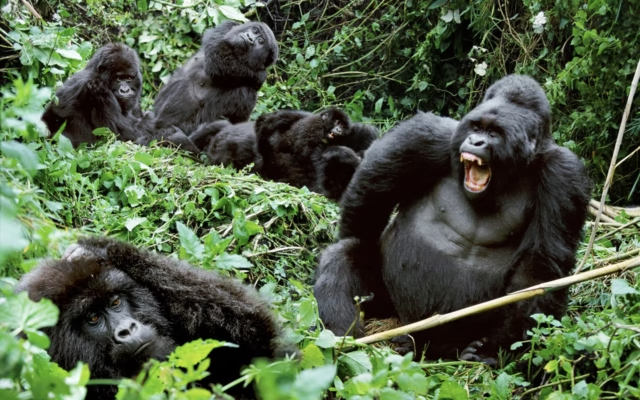
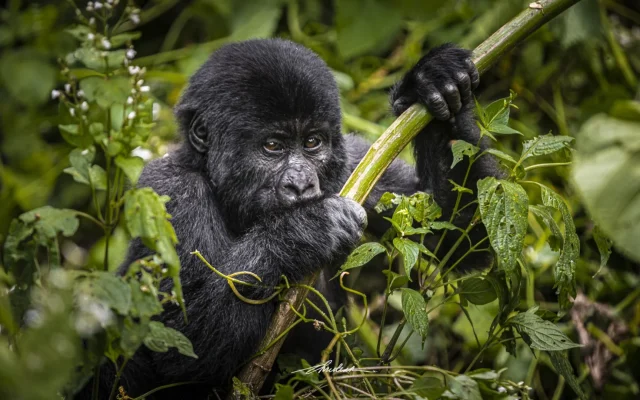
For travellers building Kenya safari itineraries — whether as a northern Kenya anchor from Nairobi, a complement to Ol Pejeta Conservancy and Laikipia conservancies, or part of a broader East Africa route that includes Uganda gorilla trekking — Samburu safaris offer rare species, dramatic arid scenery, and an atmosphere that feels wilder and less crowded than flagship southern reserves.
Often called northern Kenya’s answer to the Mara, Samburu National Reserve protects approximately 165 square kilometres along the Ewaso Ng’iro in Samburu County. The reserve forms a contiguous ecosystem with Buffalo Springs National Reserve and Shaba National Reserve — together covering roughly 440 km² of river-fed habitat where Grevy’s zebra, reticulated giraffe, Beisa oryx, Somali ostrich, and gerenuk thrive alongside lions, leopards, cheetahs, and substantial elephant herds.
This destination combines naturally with Ol Pejeta Conservancy, Laikipia Plateau, Meru National Park, and Mount Kenya National Park in a well-planned northern Kenya safari circuit.
Whether you are planning a leopard-focused photographic safari, a Special Five checklist adventure, or a multi-park East Africa journey linking Kenya with Uganda’s gorilla forests, Samburu National Reserve safaris deliver unforgettable encounters with northern wildlife, Samburu cultural heritage, and the kind of arid-ecosystem scenery that defines a different side of Kenyan safari travel.
Quick Facts About Samburu National Reserve
| Feature | Details |
|---|---|
| Location | Samburu County, northern Kenya — along the Ewaso Ng’iro River |
| Established | 1961 (national reserve status within Kenya’s county wildlife framework) |
| Size | Approximately 165 square kilometres (Samburu NR); ~440 km² including Buffalo Springs and Shaba |
| Management | County-managed national reserve |
| Main Attractions | Samburu Special Five, leopards, elephants, Ewaso Ng’iro river safaris, Samburu culture |
| Landscape | Semi-arid scrub, lava plains, doum-palm riverine forest, rocky kopjes |
| Best Time to Visit | June to October and January to February for dry-season river wildlife |
| Major Wildlife | Grevy’s zebra, reticulated giraffe, gerenuk, elephants, lions, leopards, cheetahs |
| Bird Species | 450+ recorded species |
| Nearest Gateway | Nairobi (approximately 350 km / 5–6 hours by road) |
| Flight Access | Samburu, Buffalo Springs, and Kalama airstrips (scheduled and charter flights) |
Overview of Samburu National Reserve
Samburu National Reserve occupies a unique ecological position in northern Kenya. Unlike the vast rolling grasslands of the Maasai Mara or the wetland engine of Amboseli, Samburu is defined by aridity interrupted by a single permanent river. The Ewaso Ng’iro — fed by rains falling on the Aberdares and Mount Kenya to the south — sustains life through droughts that would otherwise empty the surrounding scrub and lava plains.

This hydrological lifeline makes Samburu one of Kenya’s most reliable river-wildlife destinations. Elephants wade through shallow channels, crocodiles bask on sandbanks, hippos occupy deeper pools, and predators hunt along margins where gerenuk, oryx, and Grevy’s zebra come to drink. The contrast between dusty open plains and lush green river galleries creates constantly shifting scenery within short game-drive distances.
Beyond mammals, Samburu National Reserve wildlife includes healthy populations of lions, cheetahs, spotted hyenas, and leopards that have earned the reserve a global reputation for daytime cat photography. The relatively compact size and open visibility along river circuits mean wildlife is often encountered at close range when approached respectfully — making Samburu especially rewarding for photographers and travellers seeking species absent from southern Kenya parks.
The reserve’s human context is equally significant. Samburu sits within the homeland of the Samburu people — pastoralists closely related to the Maasai who maintain distinctive dress, intricate beadwork, and cattle-centred traditions. Responsible safari operators work within established guidelines that balance visitor access with community livelihoods and habitat protection along sensitive river ecosystems.
Samburu safaris appeal especially to:
- wildlife photographers targeting leopards and the Special Five
- repeat Kenya visitors wanting species diversity beyond the Mara
- bird watchers exploring dry-country and riverine habitats
- travellers combining northern Kenya with Laikipia conservancies
- families and first-time safari guests seeking manageable reserve scale
- East Africa combo travellers linking Kenya with Uganda or Rwanda
Why Visit Samburu National Reserve?
Samburu National Reserve earns its place on every serious Kenya safari shortlist for reasons that go well beyond checklist wildlife viewing. The combination of rare northern species, river drama, leopard potential, and uncrowded atmosphere creates a destination that feels genuinely different from southern Kenya’s flagship parks.
The Samburu Special Five
Grevy’s zebra, reticulated giraffe, Beisa oryx, Somali ostrich, and gerenuk define Samburu’s identity. These arid-adapted species occur year-round and reward patient scanning across open scrub and river margins — a checklist experience unavailable in the Mara or Amboseli.
Exceptional Leopard Viewing
Samburu ranks among Kenya’s strongest leopard destinations. Daytime sightings along doum-palm galleries and rocky kopjes are frequent enough that many photographers choose Samburu specifically for cat photography — a rarity in bushier parks where leopards remain nocturnal mysteries.
Ewaso Ng’iro River Ecosystem
The river is Samburu’s ecological engine. Elephant bathing, crocodile ambushes, hippo congregations, and birdlife along palm-lined banks create river-safari drama distinct from open-grassland game drives elsewhere in Kenya.
Northern Kenya Character
Arid landscapes, volcanic outcrops, and Samburu cultural heritage deliver an atmosphere of remote wilderness without requiring the logistics of far-flung frontier travel. The reserve feels wild yet remains accessible by road or air from Nairobi.
Compact, Rewarding Game Drives
At roughly 165 square kilometres, Samburu is small enough to explore thoroughly in two or three days yet diverse enough to reward repeat drives along different river circuits and lava-plain zones.
Top Things to Do in Samburu National Reserve
Samburu National Reserve safaris centre on wildlife viewing, river photography, and the distinctive arid ecosystems that set this reserve apart from other Kenyan destinations. Most activities are vehicle-based game drives managed through licensed operators, with selected cultural experiences available in surrounding Samburu community areas outside the reserve boundary.
Game drives remain the essential Samburu experience — morning and afternoon circuits along the Ewaso Ng’iro, through doum-palm galleries, and across lava plains reveal Special Five species, predators, and classic river scenes that photographers dream about. Bird watching along wetland margins rewards patient visitors with vulturine guineafowl, raptors, and dozens of dry-country specialists.
Travellers with extra time often combine Samburu game drives with Samburu cultural visits, multi-reserve circuits through Buffalo Springs and Shaba, or northern Kenya itineraries linking Ol Pejeta and Meru. The reserve’s compact scale means a well-planned two-night stay delivers meaningful coverage without rushed transfers.
Game Drives
Morning and afternoon wildlife safaris along the Ewaso Ng’iro, lava plains, and acacia scrub.
Explore Samburu Wildlife & Game Drives
Samburu Special Five Safari
Target Grevy’s zebra, reticulated giraffe, Beisa oryx, Somali ostrich, and gerenuk on dedicated scanning drives.
Leopard & Big Cat Photography
Search doum-palm corridors and rocky kopjes for Samburu’s famous daytime leopard encounters.
River Wildlife Viewing
Observe elephants, crocodiles, hippos, and water-associated species along Ewaso Ng’iro pools.
Bird Watching
Search for 450+ species including vulturine guineafowl, raptors, and riverine kingfishers.
Samburu Cultural Visits
Experience beadwork, pastoral traditions, and community-led cultural encounters arranged through responsible operators.
Learn more about things to do in Samburu National
Game Drives in Samburu National Reserve
Game drives are the heart of every Samburu safari. The reserve’s river-centred terrain, reliable wildlife concentrations, and established track network make vehicle-based wildlife viewing exceptionally productive for visitors of all experience levels.
Morning drives — typically departing lodges before sunrise — offer the best predator activity, cooler temperatures, and soft golden light along the Ewaso Ng’iro. Leopards may still be active in doum palms, elephants move toward river water, and gerenuk browse acacia shoots in the open.
Afternoon and evening drives reveal different behaviour: crocodiles ambushing at waterholes, lions hunting near river grazing zones, and cheetahs scanning open lava plains. The contrast between dusty scrub and lush green river margins creates constantly shifting scenery within a single drive circuit.
Key game-drive zones within Samburu National Reserve include:
- Ewaso Ng’iro riverbanks — elephants, crocodiles, hippos, and riverine cats
- Doum-palm galleries — leopards, kingfishers, and gerenuk browsing
- Open lava plains — Grevy’s zebra, oryx, and cheetah country
- Buffalo Springs interface — shared wildlife with adjacent reserve
- Rocky kopjes — lion resting sites and panoramic viewpoints
Wildlife commonly encountered during game drives in Samburu National Reserve includes:
- Grevy’s zebra (endangered northern race)
- Reticulated giraffe
- Gerenuk and Beisa oryx
- African elephants
- Lions and leopards
- Cheetahs
- Spotted hyenas
- African buffaloes
- Hippos and Nile crocodiles
- Somali ostrich
Reserve regulations require visitors to remain in vehicles except at designated areas. Licensed guides know current wildlife movements, productive river approaches, and the etiquette that keeps elephant and predator encounters safe and respectful for both animals and guests.
The Samburu Special Five
The Samburu Special Five defines this reserve’s global reputation — five species adapted to arid northern Kenya that travellers will not find together in the Maasai Mara or Amboseli. Each occupies a distinct ecological niche along the Ewaso Ng’iro corridor.
Grevy’s zebra — larger than plains zebra, with narrow stripes and a white belly — is endangered across its range. Samburu remains among the strongest strongholds for reliable sightings. Reticulated giraffe display a striking polygonal coat pattern unlike Maasai giraffes of southern parks. Beisa oryx graze open scrub with elegant straight horns. Somali ostrich — the northern race with blue-grey neck and thighs — stride across lava plains. Gerenuk, the “giraffe gazelle,” browse upright on acacia shoots, often spotted standing on hind legs along river margins.
All five occur year-round. Two to three full days of game driving significantly improves checklist success, especially when guides know current territories and river-level conditions. Combining Samburu with Buffalo Springs extends habitat coverage within the shared ecosystem.
Leopards & Predators in Samburu
Leopard viewing in Samburu National Reserve ranks among Kenya’s finest. Doum-palm trees and rocky kopjes provide daytime resting sites where cats remain visible to patient observers — a major advantage over bushier parks where leopards vanish into thick cover.
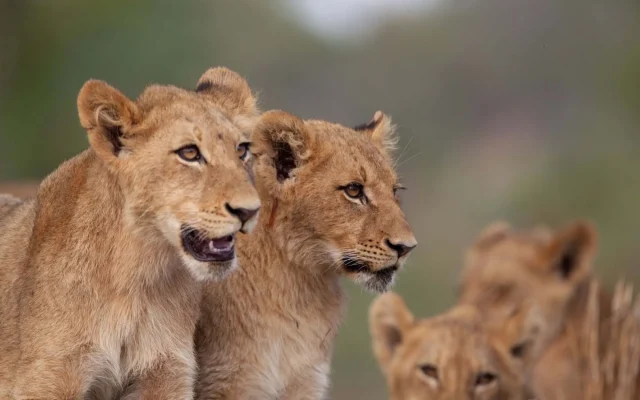
Lions hunt gerenuk, impala, and buffalo near river grazing zones. Cheetahs exploit open lava plains with exceptional visibility. Spotted hyenas and black-backed jackals occur throughout. African wild dogs occasionally traverse the broader ecosystem but sightings remain rare and treasured.
Photographers should plan at least one dedicated dawn drive for leopard searching along river galleries. Guides who know individual cat territories dramatically improve encounter rates. Maintain respectful distances at congested sightings — Samburu’s leopard fame attracts dedicated photographers during peak season.
Ewaso Ng’iro River & Riverine Wildlife
The permanent Ewaso Ng’iro River is Samburu’s ecological foundation. Fed by upland catchments including Mount Kenya and the Aberdares, this watercourse sustains life through droughts that would otherwise empty the surrounding arid landscape.
Elephant herds numbering dozens wade through shallow channels and strip doum-palm vegetation. Crocodiles ambush at muddy banks. Hippos occupy deeper pools. Buffalo and plains game drink at dawn and dusk. The river’s green corridor against rust-red scrub creates Samburu’s most iconic photographic compositions.
River wildlife viewing reveals a side of Samburu distinct from open-plains scanning:
- Elephants bathing and crossing channels
- Crocodiles basking on sandbanks
- Hippos in deeper pools
- Kingfishers and fish eagles along palm galleries
- Leopards resting in riverside trees
- Gerenuk and oryx drinking at margins
Habitat protection along the Ewaso Ng’iro is critical. Visitors should follow guide instructions about approach distances, engine noise, and time limits near sensitive water sources — particularly during drought when wildlife dependence on river water is absolute.
Wildlife in Samburu National Reserve
Samburu National Reserve wildlife thrives in a semi-arid ecosystem anchored by permanent river water. The reserve’s relatively compact size and open river visibility create excellent conditions for observing species interactions, predator-prey dynamics, and the daily rhythms of northern Kenya’s iconic mammals.
Special Five & Herbivores
Grevy’s zebra, reticulated giraffe, gerenuk, Beisa oryx, and Somali ostrich headline every Samburu species list. Impala, Grant’s gazelles, dik-dik, waterbucks, and warthogs add plains-game diversity along river margins.
Elephants
Substantial elephant populations congregate along the Ewaso Ng’iro, moving between Samburu, Buffalo Springs, and community conservancies. Family herds, large bulls, and dramatic river crossings define many visitors’ strongest memories.
Predators
Leopards are the cat signature. Lions and cheetahs hunt open scrub and river zones. Spotted hyenas scavenge and compete across the ecosystem. Wild dogs occur occasionally in the broader landscape.
Reptiles & Aquatic Species
Hippos and Nile crocodiles inhabit river channels year-round. Monitor lizards and various snake species occur but are less prominent in standard safari viewing.
Samburu does not market itself as a rhino or Great Migration destination — travellers seeking those experiences add Ol Pejeta Conservancy or the Maasai Mara to broader Kenya circuits. For Special Five safaris, leopard photography, and arid-ecosystem character, few Kenyan reserves match Samburu’s appeal.
Read full Samburu wildlife guide
Bird Watching in Samburu National Reserve
With more than 450 bird species recorded, Samburu National Reserve offers excellent birding alongside its mammal viewing. The combination of permanent river, arid scrub, rocky kopjes, and acacia woodland supports an unusually diverse avifauna for a reserve of this size — with dry-country specialties scarce in southern Kenya parks.
Riverine species include African fish eagles, giant and malachite kingfishers, herons, and sunbirds among doum palms. Arid scrub holds vulturine guineafowl, secretary birds, kori bustards, and sandgrouse. Raptors — martial eagles, pygmy falcons, and bateleurs — hunt open plains. Migratory species augment resident populations during European winter months.
Bird watching is productive year-round, with November through April delivering the strongest migrant diversity. Early morning drives and pauses at river crossings extend species lists considerably.
Read full Samburu bird watching guide
Bird watching guide for Samburu National
Best Time to Visit Samburu National Reserve
Samburu National Reserve is accessible year-round, but seasons shape wildlife concentrations along the Ewaso Ng’iro, photography conditions, road access, and lodge availability in distinct ways.
Dry Season (June to October & January to February)
Dry months concentrate wildlife along the permanent river, improve track conditions, and deliver the clearest morning light. These periods are peak safari season; lodge availability tightens around school holidays and international travel peaks.
Short Rains (November to December)
Brief rains green the scrub, reduce dust, and boost bird activity. Wildlife remains visible though may disperse slightly from river cores between showers.
Long Rains (March to May)
Heavier rainfall transforms Samburu into a lush landscape with dramatic skies and excellent birding. Elephant and cat viewing remain strong at the river; some tracks become challenging after heavy downpours.
Read full best time to visit guide
How to Get to Samburu National Reserve
Reaching Samburu National Reserve is straightforward by Kenyan safari standards. The reserve lies approximately 350 kilometres north of Nairobi, making it accessible by full-day road transfer or short bush flight from Kenya’s international gateway.
By Road from Nairobi
Road transfers via Nanyuki or Isiolo take approximately five to six hours depending on traffic, stops, and gate entry point. Archers Gate, West Gate, and Uaso Gate are common entry points; lodge location determines the most efficient route.
Most safari packages include private 4×4 transfers with experienced driver-guides. Many travellers break the journey overnight in Nanyuki when combining with Ol Pejeta or Mount Kenya activities en route.
By Air
Scheduled and charter flights connect Nairobi’s Wilson Airport to Samburu, Buffalo Springs, and Kalama airstrips, reducing transfer time to under 90 minutes airborne. Fly-in safaris suit travellers combining Samburu with other airstrip-accessible northern Kenya parks.
Park Entry & Reserve Fees
County reserve entry fees are collected at gates. Current fee schedules apply to residents, non-residents, and vehicles separately. Licensed operators typically handle fee payment and paperwork as part of safari packages.
How to get to Samburu National — routes & drive times
Where to Stay in Samburu National Reserve
Accommodation in Samburu National Reserve ranges from luxury river lodges with Ewaso Ng’iro frontage to comfortable tented camps and mid-range options along the reserve boundary. Most lodges sit on or immediately beside the river, offering convenient access to morning game drives and hippo sounds after dark.
River Lodges
Properties along the Ewaso Ng’iro minimize drive times to prime elephant and leopard zones. Riverside decks deliver wildlife viewing from camp between drives.
Luxury Lodges & Camps
Premium properties offer spacious tents or cottages, guided activities, and exclusive settings with strong river views. Fly-in guests often choose luxury tiers for comfort after short flights from Nairobi.
Luxury lodges in Samburu National
Mid-Range & Budget
Mid-range camps deliver solid game-drive access and comfortable lodging at moderate price points. Budget options in nearby towns suit overland travellers on extended northern Kenya routes.
Book early for dry-season peaks — especially July through September and Christmas/New Year periods when Samburu lodge demand surges across all price tiers.
Where to stay in Samburu National
Samburu Safari Tours
Samburu safari tours suit travellers seeking Special Five species, leopard photography, and northern Kenya character without the longer logistics of far-flung frontier parks.
3 Day Samburu Safari from Nairobi
The recommended minimum for relaxed game drives, river wildlife, and Special Five searching with road or air transfer time from the capital.
Samburu & Ol Pejeta Combination
Pair northern species diversity with Laikipia rhino sanctuary and conservancy experiences on a classic Nanyuki–Samburu circuit.
Samburu & Maasai Mara Combination
Combine arid Special Five country with the Mara’s migration and predator density for the definitive two-region Kenya safari.
Northern Kenya Explorer
Link Samburu with Buffalo Springs, Shaba, and Meru for comprehensive Ewaso Ng’iro ecosystem coverage.
Kenya & Uganda Safari Combinations
Combine Samburu with Uganda gorilla trekking, chimpanzee tracking, or Queen Elizabeth safaris for a comprehensive East Africa itinerary.
Samburu National Reserve FAQs
- Is Samburu National Reserve worth visiting?
-
Absolutely. Samburu National Reserve is one of Kenya’s most distinctive safari destinations, offering the Samburu Special Five, exceptional leopard potential, elephant river scenes, and northern landscapes that complement southern Kenya parks on well-planned circuits.
- What are the Samburu Special Five?
-
Grevy’s zebra, reticulated giraffe, Beisa oryx, Somali ostrich, and gerenuk. These northern-adapted species distinguish Samburu from southern Kenya parks where common zebra and Maasai giraffe dominate.
- Where is Samburu National Reserve located?
-
Samburu lies in Samburu County, northern Kenya, along the Ewaso Ng’iro River approximately 350 km north of Nairobi. The reserve forms a contiguous ecosystem with Buffalo Springs and Shaba National Reserves.
- Are leopard sightings common in Samburu?
-
Samburu has a strong reputation for daytime leopard encounters along the Ewaso Ng’iro and in doum-palm trees. Sightings are never guaranteed, but the reserve ranks among Kenya’s most productive leopard destinations.
- Does Samburu experience the Great Migration?
-
No. The Great Migration circulates through Tanzania’s Serengeti and Kenya’s Maasai Mara. Samburu offers resident wildlife and the Special Five instead — a complementary safari experience.
- How many days do you need in Samburu?
-
Two to three nights is the recommended minimum for relaxed game drives, Special Five searching, and river wildlife. A single night works for fly-in travellers with tight schedules but limits leopard and cat flexibility.
- How do I get to Samburu from Nairobi?
-
Road transfers take approximately five to six hours via Nanyuki or Isiolo. Scheduled and charter flights from Wilson Airport to Samburu airstrips take roughly 60–90 minutes airborne.
- Can Samburu be combined with the Maasai Mara?
-
Yes. Most combinations route through Nairobi by road or air. Samburu adds northern species diversity before or after Mara migration and predator safaris on classic Kenya itineraries.
- Is Samburu better than Amboseli?
-
They serve different strengths. Amboseli excels for elephants and Kilimanjaro scenery. Samburu excels for Special Five species, leopard photography, and arid northern ecology. Many travellers include both on extended Kenya safaris.
- Who are the Samburu people?
-
The Samburu are semi-nomadic pastoralists of northern Kenya, related to the Maasai, known for distinctive beadwork, cattle culture, and long-standing coexistence with wildlife across the Ewaso Ng’iro ecosystem.
Nearby Destinations to Combine with Samburu National Reserve
One of the most rewarding ways to experience Samburu National Reserve is by integrating it into a broader northern Kenya or East Africa itinerary. The reserve’s location along the Ewaso Ng’iro and road/air connections make it a natural partner for Buffalo Springs, Shaba, Laikipia conservancies, Meru, and southern Kenya parks reached via Nairobi.
Buffalo Springs National Reserve
Buffalo Springs shares the Ewaso Ng'iro ecosystem with Samburu — the same elephants, cats, and Special Five species across connected riverine habitat, often visited on combined game drives from lodges straddling both reserves.
Shaba National Reserve
Shaba National Reserve completes the Samburu–Buffalo Springs–Shaba trio along the Ewaso Ng'iro, offering dramatic gorges, Joy Adamson heritage, and predator country on adventurous northern Kenya circuits.
Ol Pejeta Conservancy
Ol Pejeta in Laikipia pairs naturally with Samburu — rhino sanctuary, chimpanzee sanctuary, and conservancy game drives sit a manageable road transfer south via Nanyuki on classic northern Kenya loops.
Maasai Mara National Reserve
The Maasai Mara complements Samburu's arid Special Five country with vast grasslands, migration spectacle, and southern Kenya predator density — the definitive two-region Kenya safari pairing routed through Nairobi.
Meru National Park
Meru National Park extends northern Kenya wildlife eastward — diverse habitats, rhino sanctuary potential, and Elsa the lioness heritage on adventurous routes linking the Ewaso Ng'iro ecosystem to Mount Kenya's eastern slopes.
Nairobi
Nairobi is the gateway for Samburu road and air transfers — ideal for arrival logistics, equator stops en route north, and pre- or post-safari extensions before heading into Kenya's arid wildlife country.
Nearby destinations to combine
Plan Your Samburu Safari
Samburu National Reserve remains one of Kenya’s most compelling safari destinations — a place where the Samburu Special Five define the horizon, leopards haunt doum-palm galleries, and the Ewaso Ng’iro sustains wildlife through every season. Whether you arrive by road from Nairobi or by air to Samburu airstrip, the reserve delivers classic African scenery and wildlife encounters that stay with travellers for a lifetime.
From dawn game drives along rust-red lava plains to elephant bathing at river pools, from gerenuk browsing upright on acacia shoots to vulturine guineafowl strutting through scrub, every moment in Samburu feels connected to northern Kenya’s deepest safari traditions.
Our expertly crafted Kenya safari tours and East Africa combinations can be customized to match your travel dates, wildlife priorities, photography goals, and lodge preferences.
Whether you prefer a focused Samburu escape, a Mara combination, or a multi-country route linking Kenya with Uganda’s gorilla forests, we can help design the ideal safari experience.