Shaba National Reserve is northern Kenya’s most dramatic and storied safari landscape — a volcanic wilderness of lava gorges, doum-palm springs, and rust-red plains where the Ewaso Nyiro River threads along the northern boundary and the Samburu Special Five roam in country far quieter than southern Kenya’s flagship parks. This is where conservationist Joy Adamson wrote the final chapter of her life, rehabilitating leopards after the global fame of Born Free, and where the spirit of Elsa the lioness still echoes across acacia groves unchanged since the 1970s.
For travellers building northern Kenya itineraries from Nairobi — or extending beyond Samburu National Reserve and Buffalo Springs National Reserve — Shaba safaris deliver rare species, cinematic scenery, and a sense of solitude that the busier river lodges of neighbouring reserves rarely match.
Named for Shaba Hill, a volcanic cone rising to roughly 2,145 metres above semi-desert plains, Shaba National Reserve protects approximately 239 square kilometres in Isiolo County. Together with Samburu and Buffalo Springs, the trio forms a contiguous Ewaso Nyiro ecosystem of roughly 440 km² where Grevy’s zebra, reticulated giraffe, Beisa oryx, gerenuk, and Somali ostrich share lava-ridge country with elephants, lions, leopards, and cheetahs sustained by springs, swamps, and seasonal waterholes scattered through rugged terrain.
This destination combines naturally with Meru National Park on Born Free heritage routes, Ol Pejeta Conservancy and Laikipia conservancies to the south, and Maasai Mara National Reserve on broader Kenya circuits routed through the capital.
Whether you are drawn by Joy Adamson’s legacy at Joy’s Camp, seeking leopard and Special Five photography without vehicle congestion, or planning a multi-reserve northern Kenya safari that links arid-ecosystem wildlife with Uganda gorilla trekking, Shaba National Reserve safaris reward those who venture east of the main Ewaso Nyiro river circuit into Kenya’s most evocative conservation landscape.
Quick Facts About Shaba National Reserve
| Feature | Details |
|---|---|
| Location | Isiolo County, northern Kenya — east of Samburu and Buffalo Springs along the Ewaso Nyiro |
| Established | 1974 (national reserve status) |
| Size | Approximately 239 square kilometres; ~440 km² combined with Samburu and Buffalo Springs |
| Management | County-managed national reserve (Isiolo County) |
| Main Attractions | Joy Adamson heritage, Samburu Special Five, volcanic gorges, Ewaso Nyiro wildlife, walking safaris |
| Landscape | Volcanic hills, lava flows, steep ravines, doum-palm riverine forest, arid grassland |
| Best Time to Visit | June to October and January to February for dry-season wildlife at springs and river margins |
| Major Wildlife | Grevy’s zebra, reticulated giraffe, gerenuk, elephants, lions, leopards, cheetahs, lesser kudu |
| Bird Species | 350+ recorded species including Williams’s lark |
| Nearest Gateway | Nairobi (approximately 350 km / 5–6 hours by road) |
| Flight Access | Shaba airstrip and Samburu/Buffalo Springs airstrips (scheduled and charter flights) |
Overview of Shaba National Reserve
Shaba National Reserve occupies the wildest sector of northern Kenya’s Ewaso Nyiro triangle. Where Samburu draws river-frontage lodges and steady vehicle traffic, Shaba’s eastern reaches feel remote — a landscape of volcanic formations, spring-fed swamps, and steep gorges where wildlife depends on scattered water sources rather than a single dominant river channel.
The Ewaso Nyiro runs for roughly 34 kilometres along Shaba’s northern boundary, feeding riverine forest and doum-palm galleries that sustain elephants, crocodiles, and dense birdlife through drought. Inland, Shaba Hill dominates the southern skyline while lava ridges, seasonal marshes, and acacia woodland create habitat layers that reward patient exploration across multiple game-drive circuits.

Shaba’s global identity is inseparable from Joy Adamson and the Born Free conservation legacy. After raising and releasing Elsa the lioness in Meru National Park, Joy turned her attention to leopards — most famously Penny, an orphaned cat she rehabilitated at a spring-side camp in Shaba during the 1970s. Her final manuscript, Queen of Shaba, and a memorial within the reserve commemorate work that helped reshape how the world understood wild cat rehabilitation. Joy’s Camp, built near her original campsite, keeps that story alive for visitors who sense the same acacia groves and swamp margins she described decades ago.
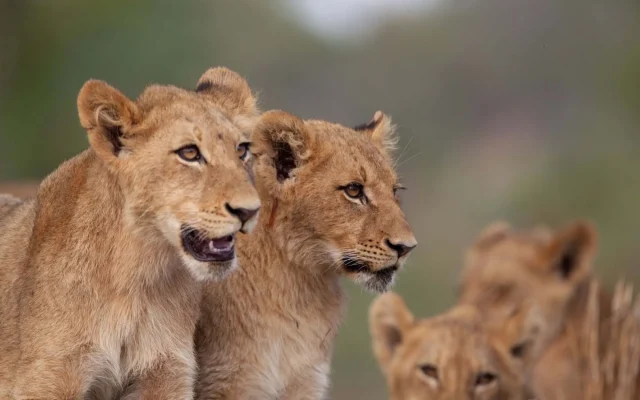
For safari travellers, Shaba National Reserve wildlife mirrors the Special Five checklist of neighbouring reserves while adding Shaba-specific atmosphere: fewer vehicles at sightings, dramatic gorge backdrops, and walking-safari potential at select lodges where guides interpret tracks, geology, and Samburu cultural heritage on foot. Lions rest beneath toothbrush trees by day; leopards haunt rocky outcrops; cheetahs scan open lava plains. Elephants converge on springs during dry months when inland pools shrink.
The reserve integrates seamlessly into northern Kenya circuits. Most visitors combine Shaba game drives with Samburu and Buffalo Springs for ecosystem-scale coverage, or anchor a two-night Shaba stay within longer routes linking Laikipia, Meru, and the Maasai Mara.
Why Visit Shaba National Reserve?
Shaba earns its place on discerning Kenya itineraries through a combination of conservation heritage, dramatic scenery, and wildlife diversity that feels distinct from both southern savannah parks and the busier river lodges of Samburu.
Joy Adamson & Born Free Heritage
Walk in the landscape where Joy Adamson pursued her final big-cat rehabilitation project. Shaba connects the Elsa story of Meru to the leopard legacy of Queen of Shaba — living conservation history rather than museum exhibit.
Dramatic Volcanic Scenery
Lava ridges, steep ravines, and Shaba Hill’s volcanic cone create cinematic backdrops absent from open grassland parks. Photography here trades vast horizons for rugged intimacy.
Samburu Special Five Country
Grevy’s zebra, reticulated giraffe, Beisa oryx, Somali ostrich, and gerenuk occur throughout the shared ecosystem — with Shaba’s quieter roads improving encounter quality for patient observers.
Fewer Crowds Than Samburu
Shaba receives fewer visitors than its western neighbours, delivering longer sightings, quieter springs, and a wilderness atmosphere closer to the Adamsons’ era than to modern mass tourism.
Walking Safaris & Cultural Depth
Select lodges offer guided bush walks and Samburu community encounters that complement vehicle-based game drives — interpreting geology, tracks, and pastoral traditions across arid country.
Multi-Reserve Ecosystem
Shaba completes the Samburu–Buffalo Springs–Shaba trio along the Ewaso Nyiro — the definitive northern Kenya dry-country wildlife circuit.
Top Things to Do in Shaba National Reserve
Shaba National Reserve safaris centre on game drives across lava plains and spring margins, heritage storytelling at Joy Adamson-associated sites, and optional walking safaris where guides reveal northern Kenya’s arid-ecosystem secrets. Most visitors plan at least two nights to explore Shaba thoroughly while day-tripping into Samburu or Buffalo Springs for river-frontage wildlife.
Morning and afternoon drives reveal Special Five species, predator activity around swamps, and elephant congregations at permanent springs. Birding along riverine margins and gorge edges rewards patient visitors with dry-country specialists including the rare Williams’s lark. Cultural visits with Samburu communities, arranged through responsible operators, add human context to a landscape shaped by pastoral coexistence with wildlife.
Game Drives
Morning and afternoon wildlife safaris across lava plains, spring margins, and Ewaso Nyiro riverine zones.
Explore Shaba Wildlife & Game Drives
Joy Adamson Heritage
Visit memorial sites and Joy’s Camp environs where the Born Free author pursued leopard rehabilitation in the 1970s.
Samburu Special Five Safari
Target Grevy’s zebra, reticulated giraffe, Beisa oryx, Somali ostrich, and gerenuk across Shaba’s arid grassland and acacia woodland.
Walking Safaris
Explore spring country and lava ridges on foot with armed guides at lodges offering guided bush walks.
Bird Watching
Search for 350+ species including vulturine guineafowl, raptors, and the rare Williams’s lark.
Multi-Reserve Circuits
Combine Shaba drives with Samburu river wildlife and Buffalo Springs springs on connected ecosystem itineraries.
Learn more about things to do in Shaba National
Game Drives in Shaba National Reserve
Game drives are the foundation of every Shaba safari. The reserve’s rugged terrain, scattered water sources, and lower vehicle density make vehicle-based wildlife viewing exceptionally rewarding for travellers who value extended sightings over checklist speed.
Morning drives departing before sunrise offer cooler temperatures, active predators, and soft light across lava plains. Leopards may still be visible near rocky outcrops; elephants move toward spring water; gerenuk browse upright on acacia shoots in open scrub.
Afternoon drives reveal different behaviour: lions stirring from toothbrush-tree shade, cheetahs scanning plains edges, and buffalo gathering at swamp margins as heat subsides. Shaba’s dramatic gorges and volcanic backdrops create photographic compositions distinct from open-grassland parks.
Key game-drive zones within Shaba National Reserve include:
- Spring and swamp margins — elephants, buffalo, and plains game at permanent water
- Ewaso Nyiro northern boundary — riverine elephants, crocodiles, and doum-palm birdlife
- Lava ridge country — cheetahs, oryx, and Grevy’s zebra on open plains
- Shaba Hill approaches — elevated viewpoints and varied habitat transitions
- Rocky kopjes and gorges — leopard country and klipspringer habitat
Wildlife commonly encountered during game drives in Shaba includes:
- Grevy’s zebra and reticulated giraffe
- Gerenuk, Beisa oryx, and lesser kudu
- African elephants
- Lions, leopards, and cheetahs
- Spotted hyenas and black-backed jackals
- African buffaloes
- Somali ostrich
- Hippos and Nile crocodiles (river zones)
Reserve regulations require staying in vehicles except at designated areas. Licensed guides know current wildlife movements, productive spring approaches, and respectful distances at elephant and predator sightings.
Joy Adamson & the Born Free Legacy
No account of Shaba National Reserve is complete without Joy Adamson — the Austrian-born naturalist whose Born Free books and films transformed global attitudes toward lion conservation and whose final years were devoted to Shaba’s leopards.
After the worldwide success of Elsa the lioness in Meru, Joy pursued an ambitious question: could a hand-reared leopard return to independent wild life? With Kenya Wildlife Service approval, she established camp beside a spring-fed swamp in eastern Shaba — the landscape she immortalised in Queen of Shaba. Penny the leopard became her most celebrated late-career project, demonstrating rehabilitation techniques that influenced decades of carnivore conservation.
Joy Adamson was killed near her Shaba camp in January 1980. A memorial within the reserve marks the site, and Joy’s Camp preserves the Moorish-style tented atmosphere of her final home. Visitors today encounter wild lions and leopards in the same acacia groves and swamp margins Joy described — a pilgrimage destination for conservation-minded travellers as much as a wildlife safari.
Understanding this legacy deepens appreciation for Shaba’s modern protection. The reserve that inspired the world to care about wild cats remains a functioning wilderness where the Samburu people, tourism partners, and county authorities balance access with habitat security along sensitive spring ecosystems.
Wildlife in Shaba National Reserve
Shaba National Reserve wildlife thrives across arid grassland, volcanic scrub, and spring-fed wetlands anchored by the Ewaso Nyiro corridor. The reserve shares the Special Five fauna of its western neighbours while offering quieter roads and dramatic gorge scenery.
Special Five & Northern Herbivores
Grevy’s zebra, reticulated giraffe, gerenuk, Beisa oryx, and Somali ostrich headline every Shaba species list. Lesser kudu, Grant’s gazelles, impala, and dik-dik add plains-game diversity along spring margins.
Elephants & River Species
Elephant herds congregate at permanent springs and along the Ewaso Nyiro during dry months. Hippos and Nile crocodiles occupy deeper river pools on the northern boundary. Buffalo gather in substantial herds at swamp edges.
Predators
Lions hunt open plains and spring grazing zones. Leopards inhabit rocky kopjes and riverine thickets. Cheetahs exploit lava-plain visibility. Spotted hyenas and striped hyenas occur throughout the ecosystem.
Shaba does not market itself as a rhino or Great Migration destination — travellers seeking those experiences add Ol Pejeta Conservancy or the Maasai Mara to broader Kenya circuits. For Special Five safaris, Born Free heritage, and volcanic scenery, few northern reserves match Shaba’s appeal.
Read full Shaba wildlife guide
Bird Watching in Shaba National Reserve
With more than 350 bird species recorded, Shaba National Reserve bird watching complements mammal safaris with exceptional dry-country diversity, riverine specialists, and rarities including Williams’s lark — a species closely associated with Shaba’s volcanic soils.
Riverine zones along the Ewaso Nyiro hold African fish eagles, kingfishers, and herons among doum palms. Arid scrub supports vulturine guineafowl, secretary birds, and sandgrouse. Raptors hunt open lava plains. Migratory species augment resident populations from November through April.
Read full Shaba bird watching guide
Bird watching guide for Shaba National
Best Time to Visit Shaba National Reserve
Shaba National Reserve rewards visitors year-round, but seasons reshape spring wildlife concentrations, photography conditions, and lodge availability in distinct ways.
Dry Season (June to October & January to February)
Dry months concentrate wildlife at permanent springs and the Ewaso Nyiro, improve track conditions, and deliver the clearest morning light across volcanic terrain. Peak safari season; book lodges ahead for July–September and holiday periods.
Green Season (March to May & November to December)
Rains green the scrub, boost bird activity, and reduce visitor numbers. Wildlife remains visible though may disperse slightly from spring cores between showers. Dramatic storm skies reward photographers.
Read full best time to visit guide
How to Get to Shaba National Reserve
Reaching Shaba National Reserve follows standard northern Kenya logistics — road or air from Nairobi, with most visitors combining Shaba with Samburu and Buffalo Springs on multi-reserve itineraries.
By Road from Nairobi
Road transfers take approximately five to six hours (roughly 350 km) north via Nanyuki or Isiolo. The final approach crosses arid Samburu Country into Isiolo County. Most safari packages include private 4×4 vehicles with experienced driver-guides.
By Air
Scheduled and charter flights from Wilson Airport reach Shaba airstrip and neighbouring Samburu/Buffalo Springs strips in roughly 60–90 minutes airborne. Fly-in safaris suit travellers combining northern Kenya parks by air.
From Samburu & Buffalo Springs
Game-drive transfers between the three reserves are standard on northern Kenya circuits — the ecosystem is contiguous though separate entry fees apply at each gate.
How to get to Shaba National — routes & drive times
Where to Stay in Shaba National Reserve
Accommodation in Shaba National Reserve centres on a small number of distinctive properties — notably riverside lodges and Joy Adamson-heritage camps — rather than the broad lodge inventory of southern Kenya parks. Advance booking is advisable in all seasons.
Heritage & Luxury Camps
Joy’s Camp and Sarova Shaba Game Lodge anchor the reserve’s accommodation, offering spring-frontage settings, guided walks, and strong access to game-drive circuits across Shaba and neighbouring reserves.
Multi-Reserve Lodges
Some properties straddle Samburu and Shaba boundaries, minimising transfer times between river wildlife and Shaba’s volcanic interior.
Book early for dry-season peaks — especially July through September when northern Kenya lodge demand surges across all price tiers.
Where to stay in Shaba National
Shaba Safari Tours
Shaba National Reserve safari tours suit Born Free enthusiasts, Special Five checklist travellers, and visitors seeking northern Kenya character without southern-circuit crowds.
3 Day Shaba & Samburu Safari
The recommended minimum for Shaba game drives, Joy Adamson heritage, and Samburu river wildlife on a combined Ewaso Nyiro circuit.
Northern Kenya Explorer
Link Shaba with Samburu, Buffalo Springs, and Meru National Park for comprehensive dry-country wildlife coverage.
Shaba & Maasai Mara Combination
Pair arid Special Five country with the Mara’s grassland spectacle on classic two-region Kenya safaris routed through Nairobi.
Kenya & Uganda Safari Combinations
Combine Shaba with Uganda gorilla trekking and chimpanzee tracking for a comprehensive East Africa itinerary.
Shaba National Reserve FAQs
- Is Shaba National Reserve worth visiting?
-
Absolutely. Shaba National Reserve offers dramatic volcanic scenery, the Samburu Special Five, Joy Adamson heritage, and a quieter safari atmosphere than neighbouring Samburu — an essential stop on northern Kenya Ewaso Nyiro circuits.
- What is Shaba National Reserve famous for?
-
Shaba is renowned for its connection to conservationist Joy Adamson and Born Free, dramatic lava gorges and Shaba Hill volcano, the Samburu Special Five, and its role in the Samburu–Buffalo Springs–Shaba ecosystem along the Ewaso Nyiro River.
- How is Shaba different from Samburu National Reserve?
-
Shaba lies east of Samburu with more rugged volcanic terrain, fewer visitors, and stronger Joy Adamson heritage. Wildlife species overlap — both share the Special Five — but Shaba trades river-frontage lodge density for dramatic gorges, springs, and solitude.
- Who was Joy Adamson and why is she associated with Shaba?
-
Joy Adamson was the author of Born Free, famous for raising and releasing Elsa the lioness. In the 1970s she rehabilitated leopards including Penny at her Shaba camp, writing Queen of Shaba. She died in Shaba in January 1980; a memorial marks the site.
- What are the Samburu Special Five?
-
Grevy’s zebra, reticulated giraffe, Beisa oryx, Somali ostrich, and gerenuk. These northern-adapted species occur throughout the Shaba–Samburu–Buffalo Springs ecosystem.
- How many days do you need in Shaba?
-
Two nights is the recommended minimum for relaxed Shaba game drives, heritage sites, and day trips into Samburu or Buffalo Springs. A single night works for fly-in travellers with tight schedules.
- How do I get to Shaba from Nairobi?
-
Road transfers take approximately five to six hours via Nanyuki or Isiolo. Scheduled and charter flights from Wilson Airport to Shaba or neighbouring airstrips take roughly 60–90 minutes airborne.
- Can Shaba be combined with the Maasai Mara?
-
Yes. Most combinations route through Nairobi by road or air. Shaba adds northern Special Five diversity and Born Free heritage before or after Mara grassland safaris on classic Kenya itineraries.
- Are walking safaris available in Shaba?
-
Select lodges offer guided bush walks with armed rangers — a distinctive Shaba experience complementing standard game drives. Confirm availability with your operator when booking.
- When is the best time to visit Shaba?
-
June to October and January to February concentrate wildlife at springs and the Ewaso Nyiro during dry months. Green seasons (March–May, November–December) offer lush scenery, strong birding, and fewer visitors.
Nearby Destinations to Combine with Shaba National Reserve
One of the greatest strengths of Shaba National Reserve is its position within the Ewaso Nyiro ecosystem. The reserve connects logically to Samburu, Buffalo Springs, Meru, Laikipia conservancies, Nairobi gateway services, and southern Kenya parks on well-planned circuits.
Samburu National Reserve
Samburu shares the Ewaso Nyiro ecosystem with Shaba — the same Special Five, elephants, and leopards across connected riverine habitat, often visited on combined game drives from lodges straddling both reserves.
Buffalo Springs National Reserve
Buffalo Springs completes the northern Kenya trio west of Shaba — natural springs, river wildlife, and arid-country species on day drives from shared Ewaso Nyiro lodges.
Meru National Park
Meru extends the Born Free story eastward — Elsa the lioness country, rhino sanctuary, and river elephants on adventurous routes linking the Ewaso Nyiro ecosystem to Tana River wilderness.
Maasai Mara National Reserve
The Maasai Mara complements Shaba's arid Special Five country with vast grasslands, migration spectacle, and southern Kenya predator density — the definitive two-region safari pairing routed through Nairobi.
Nairobi
Nairobi is the gateway for Shaba road and air transfers — ideal for arrival logistics, equator stops en route north, and pre- or post-safari extensions before heading into Kenya's arid wildlife country.
Amboseli National Park
Amboseli pairs southern Kenya elephant spectacle and Kilimanjaro scenery with Shaba's northern species diversity on extended safaris routed through Nairobi — grassland and arid-ecosystem contrast in one country.
Nearby destinations to combine
Plan Your Shaba Safari
Shaba National Reserve remains one of Kenya’s most compelling safari destinations — a place where Joy Adamson’s conservation legacy meets the Samburu Special Five, volcanic gorges frame elephant springs, and the Ewaso Nyiro sustains wildlife through every season. Whether you arrive by road from Nairobi or by air to Shaba airstrip, the reserve delivers classic African scenery and wildlife encounters wrapped in conservation history.
From dawn drives across lava plains to afternoon leopard searches among rocky kopjes, from gerenuk browsing upright on acacia shoots to vulturine guineafowl strutting through scrub, every moment in Shaba feels connected to northern Kenya’s deepest safari traditions.
Our expertly crafted Kenya safari tours and East Africa combinations can be customized to match your travel dates, Born Free interests, wildlife priorities, and lodge preferences.