Best Time to Visit Shaba National Reserve
The best time to visit Shaba National Reserve depends on whether dry-country wildlife at permanent springs, Special Five searching, leopard photography, birding, or lower crowds matter most. Unlike migration-driven parks, Shaba's resident species offer compelling reasons to travel in every month.
Dry Season (June to October & January to February)
Wildlife concentrates at permanent springs and along the Ewaso Nyiro as inland water sources shrink. Elephants, buffalo, and predators gather at swamp margins — peak game-viewing conditions. Tracks are firm, skies are clear, and photography benefits from crisp morning light across volcanic terrain. These windows align with broader Kenya peak season; lodges book ahead for July–August and holiday periods.
Short Rains (November to December)
Brief rains green the scrub, reduce dust, and boost bird activity including arriving migrants. Wildlife remains visible though may disperse slightly from spring cores between showers. Fewer visitors than mid-year peaks; some tracks become muddy after heavy downpours.
Long Rains (March to May)
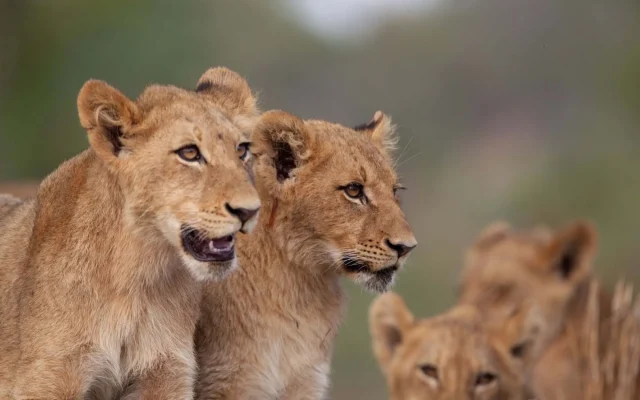
Heavier rainfall transforms arid landscapes into lush scenery with dramatic skies. Predator and Special Five viewing remain strong, but grass lengthens and occasional track challenges follow heavy downpours. Excellent value and availability outside Easter; photographers enjoy saturated colours and storm-light drama.
Month-by-Month Overview
- January–February — hot, dry, excellent spring wildlife and cat activity
- March–May — long rains, lush landscapes, strong birding, quieter tourism
- June–October — classic dry-season safari conditions and peak demand
- November–December — transitional rains, migrant birds, moderate crowds
Planning Tips by Priority
Special Five & elephants: June–October and January–February when spring congregations peak.
Leopard photography: Dry months with patient dawn drives along rocky kopjes.
Joy Adamson heritage: Year-round; dry seasons suit combined multi-reserve circuits with Samburu and Meru.
Birding: November–April for migrants; year-round for dry-country residents including Williams's lark.
Value & space: April–May and November (avoiding school holidays).
Spring & River Considerations
Shaba's scattered springs and the Ewaso Nyiro are the ecosystem's lifelines. Extended regional drought can stress wildlife and occasionally reduce river flow — conversely, heavy upland rains in the Aberdares and Mount Kenya catchment can reshape low-section game-drive routes. Licensed operators monitor conditions daily.
Pair seasonal planning with logical routing through Nairobi, Buffalo Springs, and Maasai Mara National Reserve on classic northern-to-southern Kenya circuits.
Continue planning Shaba National Reserve with Shaba wildlife, Shaba bird watching, and Shaba getting there, or read the main Shaba National Reserve destination guide.