Aberdare National Park is Kenya’s most atmospheric highland safari destination — a cool, mist-wrapped mountain park where dense bamboo and montane forest cloak the Aberdare Range, waterfalls plunge through deep valleys, and legendary tree hotels overlook floodlit waterholes that draw elephants, buffalo, giant forest hogs, and leopards after dark. Unlike the open savannahs of the Maasai Mara or Amboseli, the Aberdares deliver a forest safari experience defined by altitude, intimacy, and one of Africa’s most distinctive overnight rituals: watching wildlife from elevated decks and walkways while the highlands settle into night.
For travellers planning authentic Kenya wildlife safaris beyond classic grassland circuits, the Aberdares offer a compelling contrast — cooler temperatures, cloaked forest scenery, trout streams, moorland ridges, and the historic romance of lodges built into the canopy. The park forms part of the wider Aberdare ecosystem alongside the adjacent Mount Kenya massif, connecting logically to Ol Pejeta Conservancy, Laikipia Plateau, and northern Kenya routes toward Samburu National Reserve.
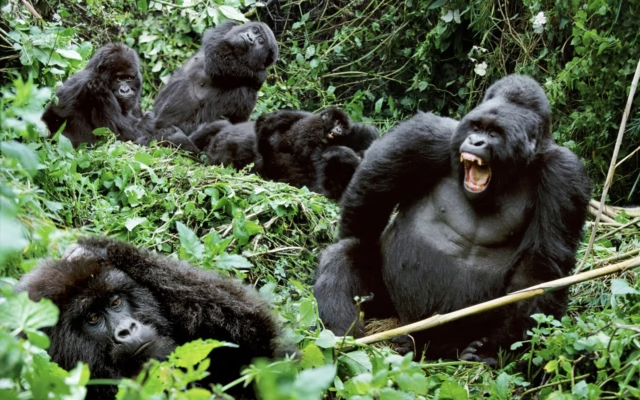
Whether you are planning a tree-hotel night from Nairobi, a central Kenya highlands circuit linking Rift Valley lakes with Laikipia conservancies, or a broader East Africa journey combining forest wildlife with gorilla trekking in Bwindi Impenetrable National Park or Volcanoes National Park, Aberdare National Park deserves a place on any itinerary that values atmosphere as much as spectacle.
This destination combines naturally with Lake Nakuru National Park, Nairobi, Ol Pejeta, and Maasai Mara National Reserve in a well-planned Kenya safari route.
From dawn game drives through bamboo glades to floodlit salt-lick vigils at tree hotels, from Karuru Falls viewpoints to trout fishing on mountain streams, Aberdare safaris deliver a side of Kenya that savannah-only itineraries miss entirely.
Quick Facts About Aberdare National Park
| Feature | Details |
|---|---|
| Location | Central Kenya, Aberdare Mountain Range — Nyeri and Nyandarua counties |
| Established | 1950 (national park status) |
| Size | Approximately 767 square kilometres |
| Management | Kenya Wildlife Service (KWS) |
| Altitude | Approximately 2,100–4,300 metres above sea level |
| Main Attractions | Tree hotels, nocturnal wildlife viewing, montane forest, waterfalls, trout fishing, highland scenery |
| Ecosystem | Montane forest, bamboo zones, moorland, streams, and deep valleys |
| Best Time to Visit | Year-round; dry seasons (June–September, January–February) for clearer forest drives |
| Major Wildlife | Elephants, buffalo, leopards, giant forest hogs, black rhino (rare), bongo (very rare), primates |
| Bird Species | 290+ species recorded |
| Nearest Gateway | Nairobi (approximately 150–180 km / 3–4 hours to park approaches) |
| Signature Lodges | Treetops, The Ark, Aberdare Country Club (gateway properties) |
Overview of Aberdare National Park
Aberdare National Park protects the high-altitude eastern and western flanks of the Aberdare Mountain Range in central Kenya — a landscape of tangled forest, bamboo belts, misty moorland, and sheer valleys where rivers including the Chania and Gura carve dramatic gorges. Administered by the Kenya Wildlife Service (KWS), the park forms a vital water catchment for Nairobi and surrounding agricultural regions while sheltering wildlife adapted to cool, dense habitat unlike anything found in Kenya’s lowland savannah parks.
The Aberdares occupy a special place in Kenyan safari lore. Historic tree hotels — most famously Treetops, where Princess Elizabeth learned of her accession in 1952, and The Ark with its multi-level wildlife viewing decks — pioneered the concept of overnight forest safaris centred on floodlit waterholes and salt licks. Visitors still arrive for the same reason: to watch elephants, buffalo, bushbuck, and giant forest hogs emerge from forest shadows while leopards and hyenas patrol the margins after dark.

Daytime game drives reveal a different character — narrow forest tracks, limited visibility compared with open plains, and rewarding encounters with elephants moving through bamboo, buffalo herds on moorland fringes, and primates including black-and-white colobus and Sykes’ monkeys. The elusive bongo, a striking forest antelope, occurs in the Aberdares but sightings are exceptionally rare and should never be itinerary expectations.
Waterfalls define the park’s scenic drama. Karuru Falls, among Kenya’s highest, plunges in three stages through forested cliffs. Chania Falls and Gura Falls add photographic stops along valley approaches. Trout fishing in designated streams attracts anglers seeking a highland complement to wildlife viewing.
For safari travellers, Aberdare safaris work best as a atmospheric contrast within broader Kenya circuits. Pair the forest with Lake Nakuru rhino and flamingo viewing, Ol Pejeta rhino and chimpanzee experiences on the Laikipia side, or Samburu arid-zone specials on northern extensions. The cool highland climate offers welcome relief during hot dry-season travel elsewhere in Kenya.
The park is best understood through its major zones and access patterns.
Eastern Aberdares (Nyeri Side)
The eastern slopes near Nyeri provide access to tree-hotel zones, forest drives, and moorland approaches. Properties such as Treetops and The Ark operate on the forest fringe with dedicated access roads and viewing platforms overlooking waterholes.
Western Aberdares (Naivasha/Nyandarua Side)
Western approaches via Kinangop and higher moorland sectors offer different scenery — open tussock grassland, giant lobelias, and dramatic escarpment views toward the Rift Valley. Fishing streams and hiking trails (where permitted) characterise this flank.
Forest Valleys & Waterfalls
Deep valleys cut through the range, channelling streams that feed major waterfalls. Karuru Falls viewpoints reward travellers who allow time beyond standard game-drive loops.
Tree-Hotel Waterhole Zones
Floodlit salt licks and waterholes adjacent to Treetops and The Ark concentrate nocturnal wildlife activity. The experience is observational rather than vehicle-based — guests watch from enclosed decks and walkways as animals approach on their own schedule.
Aberdare National Park integrates beautifully into central Kenya highlands itineraries linking Nairobi, Rift Valley lakes, Laikipia conservancies, and Mount Kenya approaches.
Why Visit Aberdare National Park?
The Aberdares earn their place on Kenya itineraries through atmosphere, uniqueness, and strategic highland positioning rather than open-country predator density.
Legendary Tree-Hotel Experience
Overnight stays at Treetops or The Ark deliver one of Africa’s most distinctive safari rituals — nocturnal wildlife viewing from elevated forest lodges overlooking floodlit waterholes.
Highland Forest Contrast
Cool mist, bamboo glades, and cloaked forest scenery provide a dramatic change from hot savannah parks — ideal for travellers seeking habitat diversity within one Kenya trip.
Elephants & Buffalo in Forest Habitat
Large mammals thrive in Aberdare forest and moorland margins. Elephants and buffalo are regularly seen on drives and at night-viewing decks.
Waterfalls & Mountain Scenery
Karuru Falls and valley viewpoints add landscape photography and scenic drama beyond standard wildlife encounters.
Central Kenya Routing
The Aberdares sit logically between Nairobi, Rift Valley parks, Laikipia conservancies, and northern Kenya — strengthening multi-destination circuits without excessive backtracking.
Historic Safari Heritage
Treetops’ royal association and decades of tree-hotel tradition connect travellers to classic East African safari history.
Top Things to Do in Aberdare National Park
Aberdare safaris centre on tree-hotel night viewing, forest game drives, waterfall scenery, and highland activities that complement rather than replicate savannah wildlife experiences. Most visitors allocate one to two nights to absorb the forest atmosphere and nocturnal waterhole ritual.
Morning and afternoon game drives along forest tracks reveal elephants, buffalo, primates, and forest-adapted antelope. Evening hours at tree hotels shift focus to floodlit decks where wildlife approaches salt licks and waterholes on natural schedules. Trout fishing, guided forest walks near lodge properties, and moorland viewpoints add variety for travellers with extra time.
Travellers often combine Aberdare experiences with Lake Nakuru on Rift Valley routes, Ol Pejeta for rhino and predator viewing on open Laikipia plains, or Samburu for northern Kenya specials.
Tree-Hotel Night Viewing
Watch elephants, buffalo, and forest species at floodlit waterholes from Treetops or The Ark.
Forest Game Drives
Explore bamboo glades and valley tracks for elephants, buffalo, primates, and forest birds.
Explore Aberdare Wildlife & Game Drives
Waterfall Viewing
Visit Karuru Falls and valley viewpoints for highland landscape photography.
Trout Fishing
Fish designated mountain streams with appropriate permits and lodge arrangements.
Bird Watching
Discover 290+ montane and forest species from raptors to turacos and sunbirds.
Explore Aberdare Bird Watching
Moorland & Scenic Drives
Experience open highland tussock grassland and escarpment panoramas on western approaches.
Learn more about things to do in Aberdare
Tree Hotels & Nocturnal Wildlife Viewing
The Aberdare tree-hotel experience remains the park’s defining attraction. Unlike daytime game drives across open plains, tree hotels invert the safari rhythm — guests settle into lodge rooms and viewing decks as darkness falls, watching floodlit waterholes and salt licks for animals that emerge when forest cover feels safest.
Treetops Lodge and The Ark are the best-known properties, each offering multi-level viewing areas, discreet lighting, and overnight stays structured around nocturnal wildlife activity. Elephants often dominate the scene, approaching waterholes in family groups. Buffalo herds, bushbuck, giant forest hogs, and spotted hyenas appear regularly. Leopards occasionally patrol margins — a thrilling highlight when luck aligns.
The experience is patient and atmospheric. Animals arrive on their own schedule; there is no guarantee of specific species on any given night, but the cumulative drama of forest sounds, cool air, and large mammals emerging from darkness creates memories that savannah lodges rarely replicate.
Day visitors can sometimes access viewing decks on organised schedules, but overnight stays deliver the full experience. Most packages include transfers from Aberdare Country Club or Nyeri-area bases, park access coordination, and meals within lodge compounds.
Photography at floodlit waterholes requires high ISO settings and respect for lodge rules — flash is typically prohibited to avoid disturbing wildlife. Binoculars and warm layers are essential; highland nights are cool even when Nairobi feels warm.
Game Drives in Aberdare National Park
Daytime game drives in the Aberdares follow narrow forest tracks with limited sightlines compared with savannah parks — a trade-off that rewards patience and experienced guiding. Wildlife encounters feel intimate: elephants materialise from bamboo, buffalo graze moorland edges, and primates move through canopy overhead.
Morning drives departing early offer the best light filtering through forest canopy and active mammal movement. Afternoon drives reveal different behaviour as animals shift toward waterhole zones ahead of night viewing at tree hotels.
Key wildlife commonly encountered during Aberdare game drives includes:
- African elephants
- African buffaloes
- Bushbuck
- Giant forest hogs
- Leopards (unpredictable)
- Black-and-white colobus monkeys
- Sykes’ monkeys
- Spotted hyenas
- Black rhino (rare; do not expect sightings)
- Bongo antelope (exceptionally rare)
Regulations require staying on designated tracks and following KWS and lodge guide instructions. Forest visibility is lower than open plains — guides who know current elephant and buffalo movements add significant value.
Wildlife in Aberdare National Park
Aberdare wildlife reflects montane forest ecology — species adapted to cool temperatures, dense cover, and seasonal bamboo availability. The park does not compete with Maasai Mara or Amboseli for open-country predator spectacle; instead it offers forest elephants, buffalo concentrations, and the atmospheric night-viewing experience at tree-hotel waterholes.
Elephants & Buffalo
Elephants move through bamboo zones and forest clearings, often visible on drives and reliably present at night-viewing waterholes. Buffalo herds graze moorland margins and forest edges — among the most dependable Aberdare sightings.
Forest Specialists
Giant forest hogs — Africa’s largest wild pig — occur in the Aberdares and occasionally appear at waterholes. Bushbuck are common in understorey habitat. The bongo antelope, a striking forest species, persists in remote sectors but sightings are so rare that dedicated bongo quests require specialist logistics and realistic expectations.
Predators
Leopards inhabit forest and moorland transition zones. Sightings are unpredictable on drives but night-viewing decks occasionally reveal cats approaching waterholes. Spotted hyenas scavenge and hunt across the range.
Primates
Black-and-white colobus monkeys and Sykes’ monkeys occur throughout forest zones, adding arboreal interest to drives and lodge surroundings.
Read full Aberdare wildlife guide
Bird Watching in Aberdare National Park
With more than 290 bird species recorded, Aberdare bird watching rewards forest specialists and montane listers. Habitat layers from low forest through bamboo to moorland support raptors, turacos, sunbirds, and highland endemics.
Notable species include Hartlaub’s turaco, scarlet-tufted malachite sunbird, mountain buzzard, African goshawk, silvery-cheeked hornbill, and numerous forest robins and warblers. Raptors utilise forest margins and thermals above valleys.
Birding integrates with game drives and lodge grounds — dawn hours are most productive. Specialist birding guides add value for target species and altitude-related distributions.
Read full Aberdare bird watching guide
Best Time to Visit Aberdare National Park
The best time to visit the Aberdares depends on whether forest-drive clarity, night-viewing comfort, or broader Kenya routing matters most. The park rewards visitors year-round, with cool temperatures a constant highland feature.
Dry Seasons (June to October & January to February)
Drier months improve forest-track conditions and reduce mist persistence on morning drives. Night viewing at waterholes remains productive as animals seek reliable drinking sources. These windows align with peak Kenya safari travel — book tree hotels early.
Long Rains (March to May)
Heavier rainfall greens forest dramatically and boosts bird activity, but tracks soften and mist may limit visibility. Green-season travellers enjoy lower lodge pressure and lush scenery. Waterproof layers and flexible scheduling help.
Short Rains (November to December)
Brief rains refresh highland vegetation. Wildlife remains active at waterholes; forest drives may be misty but atmospheric.
Read full best time to visit guide
How to Get to Aberdare National Park
Reaching Aberdare National Park is straightforward from Nairobi via Nyeri or Naivasha-direction approaches, with most international visitors booking packages that include tree-hotel transfers and KWS coordination.
By Road from Nairobi
Road transfers to Nyeri and Aberdare approaches take approximately three to four hours depending on route, traffic, and lodge destination. Most tree-hotel packages include transfers from Aberdare Country Club or designated meeting points.
Park Gates & Access
KWS manages multiple entry points including Wandare, Kiandongoro, and Mutubio gates. Tree-hotel access uses dedicated forest roads coordinated through lodge operators. Confirm gate and lodge logistics when booking — independent travellers need KWS fee knowledge and suitable vehicles.
Routing with Other Kenya Destinations
Nairobi → Aberdares: Half-day transfer via Nyeri; ideal one- to two-night tree-hotel stop.
Aberdares → Lake Nakuru: Rift Valley routing via Naivasha or Nakuru directions — productive highland-to-lake combination.
Aberdares → Ol Pejeta / Laikipia: Northern approaches link forest stays with open-plains conservancy wildlife.
Aberdares → Samburu: Multi-day northern Kenya extensions via Nanyuki and Isiolo corridors.
KWS Park Fees
Kenya Wildlife Service collects entry fees at gates. Licensed operators typically include fees in package pricing. Verify current non-resident rates before budgeting.
Where to Stay in Aberdare National Park
Aberdare accommodation centres on tree hotels and highland lodges rather than sprawling savannah camps. Location determines access to night-viewing decks, forest drives, and transfer logistics.
Tree Hotels
Treetops and The Ark deliver the signature nocturnal waterhole experience from forest-fringe properties with viewing decks and overnight packages.
Gateway Lodges
Aberdare Country Club and Nyeri-area properties serve as transfer bases for tree-hotel circuits and daytime forest exploration.
Western Moorland Approaches
Higher-altitude options on the Kinangop and western flanks suit travellers combining trout fishing, moorland scenery, and western Aberdare drives.
Book tree hotels well ahead during July–October and December holiday peaks. Cool nights require warm clothing regardless of season.
Aberdare Safari Tours
Aberdare safari tours suit travellers seeking forest atmosphere, tree-hotel nights, and highland contrast within broader Kenya circuits.
2 Night Aberdare Tree-Hotel Safari
The classic format — one or two nights at Treetops or The Ark with forest drives and nocturnal waterhole viewing.
Explore Aberdare Tree-Hotel Safaris
Central Kenya Highlands Circuit
Combine Aberdares with Lake Nakuru, Ol Pejeta, and Nairobi for forest, rhino, and Rift Valley diversity.
Northern Kenya Extension
Link Aberdare forest stays with Samburu and Laikipia conservancies on extended central-to-northern routes.
East Africa Gorilla & Highlands Combo
Pair Aberdare highlands with gorilla trekking in Bwindi Impenetrable National Park or Volcanoes National Park — forest wildlife bookending mountain gorilla encounters.
Aberdare National Park FAQs
- Is Aberdare National Park worth visiting?
-
Absolutely. Aberdare National Park is one of Kenya’s most distinctive safari destinations, offering legendary tree-hotel night viewing, cool montane forest scenery, elephants and buffalo at floodlit waterholes, waterfalls, and a atmospheric highland contrast to savannah parks such as the Maasai Mara and Amboseli.
- What are the Aberdare tree hotels?
-
Treetops and The Ark are the best-known tree hotels overlooking floodlit waterholes and salt licks. Guests watch elephants, buffalo, and forest species from elevated decks and walkways — especially rewarding after dark.
- Can you see elephants at night in the Aberdares?
-
Yes. Tree-hotel waterholes attract elephants regularly at night. Buffalo, bushbuck, giant forest hogs, and hyenas also appear. Wildlife arrives on natural schedules — patience is part of the experience.
- How many days do you need in Aberdare National Park?
-
One to two nights covers the tree-hotel experience and forest drives comfortably. Single-night stops work for tight itineraries but feel rushed for photographers and travellers wanting both day and night wildlife.
- How do I get to Aberdare National Park from Nairobi?
-
Road transfers via Nyeri take approximately three to four hours. Most visitors book packages including lodge transfers from Aberdare Country Club or Nyeri-area meeting points. KWS gates include Wandare, Kiandongoro, and Mutubio.
- Is Aberdare National Park managed by Kenya Wildlife Service?
-
Yes. Aberdare is a KWS-administered national park with standard gate fees, track regulations, and conservation management distinct from county-managed reserves such as the Maasai Mara.
- Can you see bongo antelope in Aberdare National Park?
-
Bongo occur in remote forest sectors but sightings are exceptionally rare. Travellers should not plan itineraries around bongo encounters. Elephants, buffalo, and night-viewing wildlife are reliable highlights instead.
- What is the best time to visit Aberdare National Park?
-
Year-round, with dry seasons (June–October and January–February) offering clearer forest drives. Cool highland temperatures persist in all months — pack warm layers for tree-hotel nights.
- Can I combine Aberdare with Lake Nakuru or Ol Pejeta?
-
Yes. Aberdares pair naturally with {{LINK:lake-nakuru-national-park:Lake Nakuru National Park}} on Rift Valley routes and {{LINK:ol-pejeta-conservancy:Ol Pejeta Conservancy}} on Laikipia extensions — forest atmosphere complementing rhino and open-plains wildlife.
- Is Aberdare National Park safe for safari travellers?
-
Yes. The park is visited safely through licensed operators and established tree hotels. Follow guide instructions on forest drives and remain on designated viewing areas at lodges. Highland roads can be misty — experienced drivers are recommended.
Nearby Destinations to Combine with Aberdare National Park
One of the Aberdares’ strengths is central Kenya positioning — linking Rift Valley lakes, Laikipia conservancies, northern reserves, and Nairobi gateway services within efficient routing.
Ol Pejeta Conservancy
Ol Pejeta on the Laikipia Plateau pairs naturally with Aberdare forest stays — open-plains rhino, predator viewing, and chimpanzee sanctuary experiences contrasting with highland tree-hotel nights.
Lake Nakuru National Park
Lake Nakuru delivers Rift Valley rhino sanctuary viewing, flamingo spectacle, and compact game drives — a logical pairing with Aberdare highlands on central Kenya circuits via Naivasha and Nakuru corridors.
Nairobi
Kenya's capital is the main gateway for Aberdare road transfers — ideal for arrival logistics, city culture, and pre- or post-safari extensions before heading into the central highlands.
Samburu National Reserve
Samburu extends central Kenya itineraries northward with arid-zone specials — Grevy's zebra, reticulated giraffe, and Beisa oryx — after Aberdare forest and Laikipia conservancy experiences.
Laikipia Plateau
Laikipia's private conservancies offer low-density wildlife viewing, rhino protection, and community tourism between Aberdare highlands and northern Kenya — a natural multi-day extension.
Maasai Mara National Reserve
The Maasai Mara adds savannah migration spectacle and open-country predator viewing to a Kenya circuit that already includes Aberdare forest atmosphere — typically routed via Nairobi or Rift Valley connections.
Nearby destinations to combine
Plan Your Aberdare Safari
Aberdare National Park offers a side of Kenya that savannah itineraries alone cannot deliver — cool highland forest, waterfall valleys, and the timeless ritual of watching elephants emerge from darkness at tree-hotel waterholes. Whether you arrive from Nairobi for a two-night forest escape or weave the Aberdares into a Laikipia and Rift Valley circuit, the park rewards travellers who value atmosphere, heritage, and habitat diversity.
From dawn drives through bamboo glades to floodlit vigils at Treetops and The Ark, from Karuru Falls viewpoints to trout streams in mountain air, every moment in the Aberdares connects visitors to Kenya’s highland wild heart.
Our expertly crafted Kenya safari tours and East Africa combinations can be customized to match your travel dates, lodge preferences, and highland routing goals.
Whether you prefer a short tree-hotel escape, a central Kenya highlights circuit, or a northern extension linking Aberdare forest with Samburu and Laikipia plains, we can help design the ideal safari experience.