Top things to do in Aberdare National Park
Things to do in Aberdare National Park revolve around experiences impossible to replicate on open savannah circuits — floodlit waterhole vigils from historic tree hotels, intimate forest game drives through bamboo glades, waterfall viewpoints above misty valleys, and cool highland activities from trout fishing to moorland scenic drives. Unlike Maasai Mara National Reserve where full-day plains drives dominate, Aberdare itineraries balance a few signature activities across one or two lodge nights rather than marathon vehicle hours.
Most visitors structure stays around Treetops or The Ark packages that bundle transfers, meals, forest drives, and night viewing. Independent travellers need KWS park entry, 4×4 transport, and lodge booking coordination for tree-hotel access roads. Allow minimum one night for nocturnal wildlife; two nights permit relaxed forest exploration, birding mornings, and Karuru Falls detours.
Tree-hotel night viewing
The defining Aberdare activity — watching elephants, buffalo, giant forest hogs, bushbuck, and spotted hyenas at floodlit salt licks and waterholes from elevated decks at Treetops or The Ark. Princess Elizabeth's 1952 accession night at Treetops cemented this ritual in safari lore. Modern guests experience the same atmospheric combination: cool forest air, nocturnal sounds, and large mammals emerging from darkness on their own schedule.
Photography requires high ISO and patience — flash is prohibited. Binoculars and warm layers are essential. Activity peaks unpredictably; some nights deliver elephant families for hours, others quieter intervals broken by hyena calls or bushbuck visits. The experience rewards travellers who treat observation as the activity itself rather than a checklist stop before bedtime.
Forest game drives
Morning and afternoon drives along narrow forest tracks reveal elephants materialising from bamboo, buffalo on moorland edges, primates in canopy, and forest-adapted antelope in understorey. Visibility is lower than savannah parks — encounters feel intimate and sometimes sudden. Experienced guides who know current elephant corridors add significant value.
Dawn departures maximise light filtering through canopy and active mammal movement. Afternoon drives shift behaviour as animals move toward waterhole zones ahead of evening tree-hotel viewing. Combine drives with Aberdare wildlife planning for species expectations and Aberdare bird watching for dawn vocal activity on the same routes.
Waterfall viewing and scenic valleys
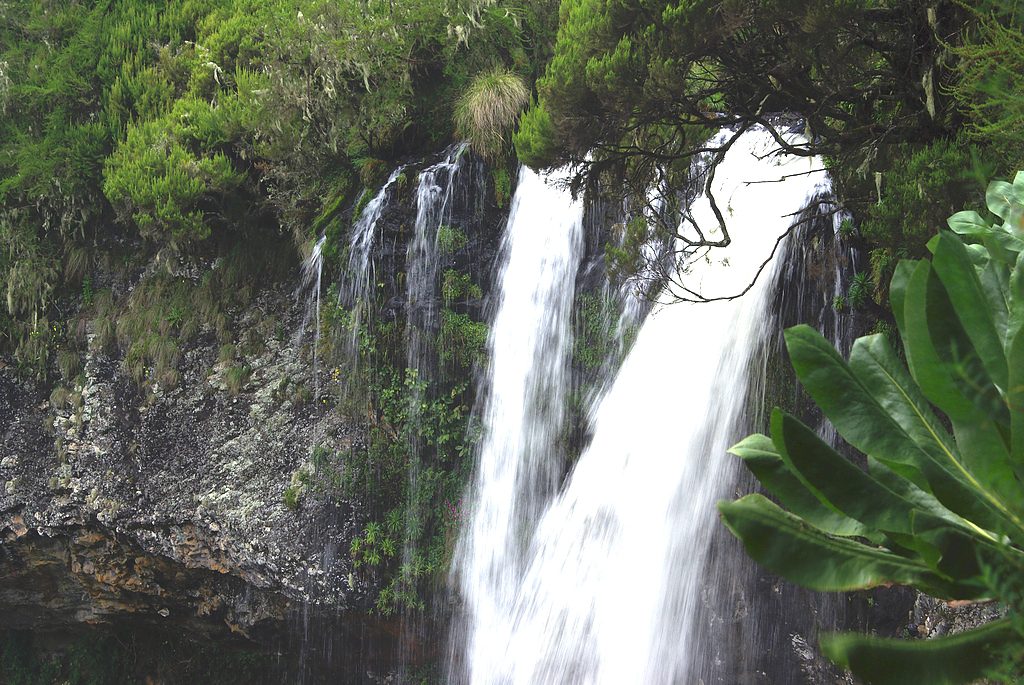
Karuru Falls plunges in three stages through forested cliffs — among Kenya's highest waterfalls and a highlight for landscape photographers. Chania Falls and Gura Falls add stops along valley approaches through deep gorges carved by highland rivers. Waterfall sectors require time beyond standard tree-hotel loops — confirm drive access and track conditions with guides, especially during long rains when mist and mud increase.
Scenic valley viewpoints complement wildlife focus with highland drama — mist rising from forest canopy, sheer cliff faces, and rivers threading through bamboo. Western approaches via Kinangop add moorland panoramas toward the Rift Valley escarpment.
Trout fishing
Designated mountain streams within the Aberdare range support trout fishing for anglers seeking highland variety beyond mammal viewing. Permits, equipment, and lodge arrangements are required — this is not casual roadside fishing. Cooler months often suit stream conditions. Coordinate through Aberdare Country Club, Nyeri-area outfitters, or packaged safari operators familiar with current regulations and access points.
Bird watching
More than 290 recorded species make birding a substantive activity on forest drives and moorland approaches. Hartlaub's turaco, scarlet-tufted malachite sunbird, hornbills, and raptors reward dawn activity. Tree-hotel grounds and Country Club gardens add supplementary species between formal drives. Request bird-focused guides when avifauna is a primary interest alongside mammal viewing.
Moorland and scenic drives
Western Aberdare approaches expose open tussock grassland, giant lobelia zones, and escarpment views toward the Rift Valley — a habitat contrast to eastern forest-fringe tree-hotel circuits. Moorland drives suit itineraries routing between Lake Naivasha and Aberdare highlands or continuing toward Lake Nakuru National Park without returning to Nairobi.
Guided walks near lodge properties
Some gateway lodges and tree-hotel compounds offer guided forest walks on designated paths near property boundaries — not multi-day wilderness trekking inside remote park sectors. Walks add botanical interest, smaller fauna, and forest sounds at human pace. Confirm availability when booking; walks are subject to lodge policy and KWS regulations.
Combining activities on central Kenya circuits
Travellers often pair Aberdare experiences with Lake Nakuru National Park rhino and flamingo viewing, Ol Pejeta Conservancy open-plains predators and chimpanzee sanctuary visits, or Samburu National Reserve northern specials on extended routes. Mount Kenya National Park trekking complements forest lodges on adventure-focused highland circuits.
Continue planning Aberdare National Park with Aberdare accommodation, Aberdare best time to visit, and Aberdare getting there, or read the main Aberdare National Park destination guide.