Meru National Park is one of Kenya’s most evocative safari destinations — a vast wilderness of riverine forest, baobab plains, and permanent swamps where Elsa the lioness walked back into the wild and the story of Born Free changed how the world thought about lion conservation. Managed by the Kenya Wildlife Service (KWS), this remote eastern Kenya park delivers authentic Big Five potential, rhino sanctuary success, and uncrowded game drives far from the convoys of southern Kenya’s busier circuits.
For travelers seeking meaningful Kenya wildlife safaris beyond the standard Mara checklist — whether drawn by George and Joy Adamson’s legacy, northern Kenya species such as Grevy’s zebra and reticulated giraffe, or simply the romance of a park that feels genuinely wild — Meru safaris reward those willing to journey northeast from Nairobi into Tana River country.
Often called the Born Free park, Meru National Park protects approximately 870 square kilometres where elephants follow green river corridors, lions hunt open plains, and both black and white rhinos thrive within a KWS sanctuary that symbolises Kenya’s remarkable recovery from the poaching crises of past decades. Lower visitor numbers mean longer sightings, quieter roads, and a safari atmosphere closer to the Adamsons’ era than to modern mass tourism.
This destination combines naturally with Samburu National Reserve, Shaba National Reserve, Buffalo Springs National Reserve, and Mount Kenya National Park on northern Kenya circuits, or with Maasai Mara National Reserve and Lake Nakuru National Park on broader Kenya routes.
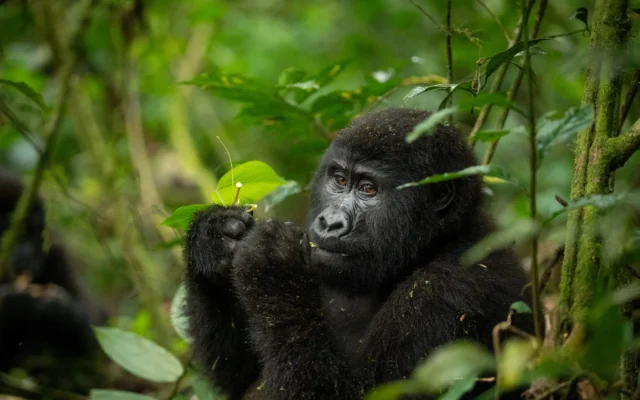
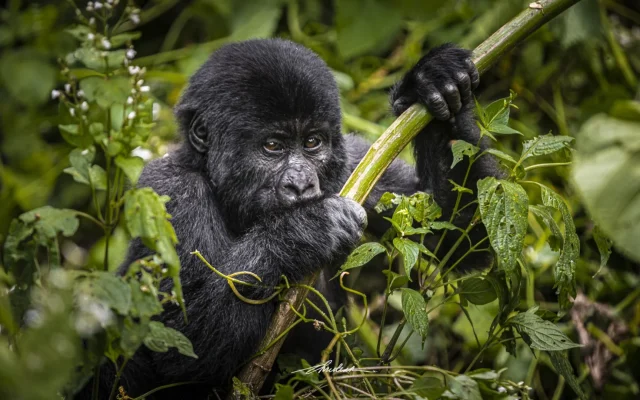
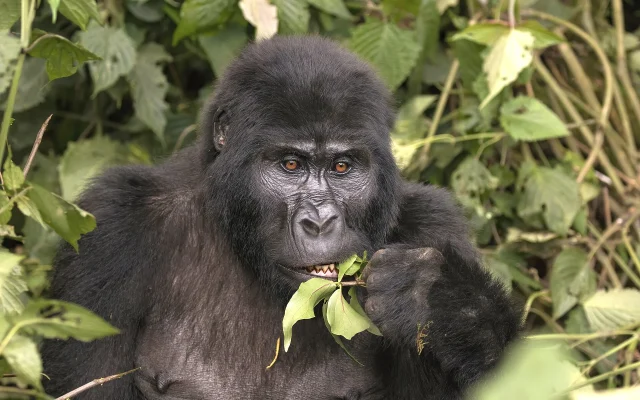
Whether you are planning a Born Free pilgrimage, a rhino-focused northern Kenya safari, a photographic escape along the Rojewero River, or a multi-country East Africa journey combining savannah wildlife with gorilla trekking in Bwindi Impenetrable National Park or Volcanoes National Park, Meru deserves a central place on discerning itineraries.
Quick Facts About Meru National Park
| Feature | Details |
|---|---|
| Location | Meru County, eastern Kenya — along the Tana River system northeast of Nairobi |
| Established | 1966 (national park status) |
| Size | Approximately 870 square kilometres |
| Management | Kenya Wildlife Service (KWS) |
| Main Attractions | Born Free legacy, Elsa the lioness, rhino sanctuary, river elephants, lions, northern Kenya species |
| Ecosystem | Tana River corridor, Rojewero and Ura rivers, swamp, thorn bush, baobab grassland, riverine forest |
| Best Time to Visit | Year-round; June–October and January–February peak for dry-season wildlife and road access |
| Major Wildlife | Lions, elephants, rhinos, leopards, cheetahs, buffalo, Grevy’s zebra, reticulated giraffe, hippos, crocodiles |
| Bird Species | 400+ species recorded |
| Nearest Gateway | Nairobi (approximately 350 km / 6–7 hours by road) |
| Flight Access | Kinna airstrip (scheduled and charter flights from Wilson Airport, Nairobi) |
Overview of Meru National Park
Meru National Park protects one of Kenya’s most ecologically diverse yet under-visited KWS landscapes. Where the Maasai Mara draws migration crowds and Amboseli frames elephants against Kilimanjaro, Meru offers something rarer: genuine wilderness atmosphere, a profound conservation story, and wildlife viewing without the pressure of dozens of vehicles at every sighting.
Located in Meru County along Kenya’s longest river system, the park encompasses thorn-bush plains dotted with baobabs, permanent swamps that sustain year-round wildlife, and riverine forest corridors along the Rojewero, Ura, and Tana-associated wetlands. The Nyambene Hills rise to the northwest, adding scenic backdrop to a landscape that shifts from open grassland to thick bush within a single game drive.

Meru’s global identity is inseparable from Elsa the lioness and the pioneering work of George and Joy Adamson. In the 1950s, the Adamsons raised Elsa from cubhood at their camp in this park and achieved what many considered impossible: releasing a hand-reared lioness into successful independent life in the wild. Joy Adamson’s book Born Free and the subsequent film introduced millions to Meru’s landscapes and transformed public attitudes toward wild lion conservation. George Adamson continued working with lions in Meru and later Kora for decades — cementing the park’s place in conservation history.
For safari travelers, Meru National Park safaris represent an alternative Kenya — one where lions still evoke the Adamsons’ story, where rhinos recovered within sanctuary fences after near-total park devastation, and where Grevy’s zebras and reticulated giraffes signal the transition toward northern Kenya’s arid-country fauna. Elephant herds follow green river ribbons. Leopards inhabit forest margins. Cheetahs hunt plains edges. Hippos and Nile crocodiles occupy permanent pools. The experience feels intimate, unhurried, and authentically wild.
The park is best understood through its major zones, each offering distinct habitat character and wildlife concentrations.
Rhino Sanctuary
KWS maintains a fenced rhino sanctuary within Meru where both black and white rhinoceros thrive under intensive protection. This programme anchors the park’s modern conservation identity — a direct response to the catastrophic poaching that decimated Meru’s wildlife in the 1980s and 1990s. Dedicated sanctuary circuits deliver among northern Kenya’s most reliable rhino encounters.
Rojewero River Corridor
The Rojewero River creates a green lifeline through semi-arid country. Riverine forest supports elephants, leopards, and diverse birdlife. Hippos and crocodiles occupy slower channels. This corridor concentrates wildlife year-round and provides some of Meru’s finest photographic settings.
Adamson’s Falls & Mughwango Hill
Scenic waterfall country and elevated viewpoints around Mughwango Hill add landscape variety. The Adamson-associated terrain connects visitors emotionally to the Born Free era while delivering strong general wildlife viewing across woodland and grassland transitions.
Open Plains & Thorn Bush
Lions and cheetahs hunt across open sectors. Grevy’s zebras, beisa oryx, and reticulated giraffes occur on plains margins. Baobab-studded grassland creates distinctive East African scenery absent from Rift Valley soda lakes.
Bisanadi Boundary
The northeastern park sector approaches Bisanadi National Reserve, extending the ecosystem toward even remoter country. Adventurous itineraries may incorporate adjacent reserve access depending on routing and operator arrangements.
Meru National Park integrates beautifully into northern Kenya itineraries. Travelers often combine Meru with Samburu for Ewaso Nyiro specials, Mount Kenya for montane forest, or fly onward to Entebbe or Kigali for gorilla trekking in Uganda and Rwanda.
Why Visit Meru National Park?
Meru earns its place on discerning Kenya itineraries through a combination of conservation heritage, wilderness atmosphere, and wildlife diversity that busier parks cannot replicate.
The Born Free Legacy
Walk in the landscape where Elsa the lioness returned to the wild. Meru is living conservation history — not a museum exhibit but a functioning wilderness still shaped by the Adamsons’ pioneering vision.
Uncrowded Wilderness
Far fewer visitors than the Mara or Amboseli mean unhurried game drives, extended sightings, and the sense that your vehicle may be the only one at a lion pride or rhino encounter.
Rhino Sanctuary Success
Both black and white rhinos occur within KWS protection zones — a powerful symbol of Kenyan park recovery and a reliable highlight for Big Five-focused travelers.
Northern Kenya Species
Grevy’s zebra, reticulated giraffe, lesser kudu, gerenuk, and beisa oryx distinguish Meru from southern savannah parks and preview the fauna of the Samburu circuit.
River & Landscape Variety
Riverine forest, swamp, baobab plains, and thorn bush create diverse scenery and habitat-driven wildlife viewing across a single park.
Northern Kenya Circuit Anchor
Meru’s position between Nairobi and the Samburu–Shaba–Buffalo Springs complex makes it a natural centrepiece for multi-park northern Kenya safaris.
Top Things to Do in Meru National Park
Meru National Park safaris centre on game drives across river corridors, rhino sanctuary circuits, and open plains where lions hunt beneath acacia shade. Most visitors explore by 4×4 with licensed KWS-aware guides, building at least two full days into itineraries to appreciate the park’s scale and Born Free atmosphere.
Morning and afternoon game drives reveal elephant herds along the Rojewero, lion prides on grassland, rhinos within sanctuary zones, and leopards in riverine forest. Birding integrates naturally with drives — more than 400 species occur across the park’s habitat mosaic. Cultural and conservation storytelling at lodges connects the Adamson legacy to the living wilderness outside your tent.
Travellers with extra time often combine Meru game drives with Samburu extensions, Mount Kenya highland stops, or cross-border routes linking Kenya savannah with gorilla trekking in Bwindi or Volcanoes National Park.
Game Drives
Morning and afternoon wildlife safaris across river corridors, plains, and rhino sanctuary sectors.
Explore Meru Wildlife & Game Drives
Born Free Heritage
Engage with the Elsa the lioness story and George and Joy Adamson’s conservation legacy across Meru’s landscapes.
Rhino Sanctuary Viewing
Search for black and white rhinos within KWS protection zones on dedicated sanctuary circuits.
River Wildlife & Adamson’s Falls
Track elephants, hippos, and crocodiles along the Rojewero and visit scenic waterfall country.
Bird Watching
Discover 400+ species from riverine kingfishers and fish eagles to grassland raptors and bush specialists.
Photography Safaris
Capture baobab plains, river corridors, and uncrowded wildlife encounters in soft dawn and dusk light.
Learn more about things to do in Meru
Game Drives in Meru National Park
Game drives are the foundation of every Meru National Park safari. The park’s diverse terrain, reliable wildlife concentrations, and low vehicle density make vehicle-based viewing exceptionally rewarding — particularly for travelers who value extended sightings over checklist speed.
Morning drives departing at or before sunrise offer cooler temperatures, active predators, and golden light along river corridors. Lion prides often remain visible on plains after night hunts. Elephants move through riverine forest toward feeding areas. Rhinos may be encountered on early sanctuary circuits before midday heat.
Afternoon and evening drives reveal different behaviour: hippos emerging from Rojewero pools, leopards becoming active along forest margins, and buffalo gathering at swamp edges. Meru’s quieter roads allow guides to position thoughtfully without the congestion familiar from southern Kenya’s peak-season parks.
Key game-drive zones within Meru National Park include:
- Rhino sanctuary circuits — black and white rhino searching with ranger coordination
- Rojewero River corridor — elephants, hippos, crocodiles, and riverine predators
- Adamson’s Falls area — scenic waterfall and woodland wildlife
- Mughwango Hill approaches — elevated viewpoints and varied habitat
- Open plains sectors — lions, cheetahs, Grevy’s zebra, and oryx
Wildlife commonly encountered during game drives in Meru includes:
- Lions (including prides on open plains)
- Leopards (riverine forest margins)
- Cheetahs
- Black and white rhinos (sanctuary zones)
- African elephants
- African buffaloes
- Grevy’s zebras
- Reticulated giraffes
- Lesser kudu and gerenuk
- Beisa oryx
- Hippos and Nile crocodiles (river systems)
Regulations require staying on designated tracks, following guide instructions around rhino sanctuary zones, and maintaining respectful distances at wildlife sightings. KWS rangers support anti-poaching and visitor safety throughout the park.
The Born Free Legacy & Elsa the Lioness
No account of Meru National Park is complete without the story of Elsa the lioness — arguably the most famous individual wild animal in conservation history and the reason millions of readers and filmgoers first imagined Kenya’s wilderness.
In the early 1950s, Kenyan game warden George Adamson shot a lioness in self-defence, orphaning three cubs. George and his wife Joy raised the smallest cub, Elsa, at their camp in Meru. Against prevailing wisdom, they chose release rather than captivity. After years of careful preparation, Elsa walked into independent life in Meru National Park — demonstrating that hand-reared lions could survive and reproduce in the wild.
Joy Adamson’s Born Free (1960) and its sequels, followed by the Academy Award-winning film, transformed public understanding of lions and African conservation. George Adamson continued his work for decades — later at Kora National Reserve — earning the title “Baba ya Simba” (Father of Lions). Meru remains the spiritual home of that story.
Visitors today encounter wild lions in the same landscapes Elsa once roamed. Lodges and guides share Adamson history. The emotional connection between story and place distinguishes Meru from every other Kenya park — a pilgrimage destination for conservation-minded travelers as much as a wildlife safari.
Understanding this legacy deepens appreciation for Meru’s modern recovery. The park that inspired the world to care about lions suffered catastrophic poaching losses in later decades — and fought back through KWS leadership, sanctuary programmes, and tourism partnerships. Today’s Meru is both memorial and living proof that protected areas can recover.
Wildlife in Meru National Park
Meru National Park wildlife thrives across habitat layers from riverine forest to arid thorn bush. The park’s position between southern savannah and northern arid zones creates species diversity that rewards patient exploration.
Predators
Lions are Meru’s signature carnivores — spiritually linked to Elsa and practically abundant across open plains. Leopards inhabit Rojewero riverine forest. Cheetahs hunt shorter grass on plains margins. Spotted hyenas scavenge throughout the ecosystem.
Rhinos
Both black and white rhinos occur within the KWS sanctuary. Intensive protection makes Meru among northern Kenya’s strongest rhino destinations — a highlight for Big Five-focused itineraries.
Elephants & River Species
Elephant herds follow river corridors year-round. Hippos and Nile crocodiles occupy permanent pools. Buffalo gather in substantial herds at swamp and grassland margins.
Northern Kenya Specials
Grevy’s zebras, reticulated giraffes, lesser kudu, gerenuk, and beisa oryx distinguish Meru from Mara-centric itineraries and preview the fauna of the Samburu circuit to the north.
Bird Watching in Meru National Park
With more than 400 bird species recorded, Meru National Park bird watching rewards specialists and general safari travelers alike. River corridors, swamps, and thorn bush create habitat layers supporting diverse avifauna across seasons.
Notable species include African fish eagles, martial eagles, secretary birds, lilac-breasted rollers, Von der Decken’s hornbills, grey crowned cranes, and numerous kingfishers along the Rojewero. Palearctic migrants augment lists from November through April.
Birding integrates naturally with game drives — dawn hours are particularly productive along river corridors. Specialist birding guides add significant value for target species and call identification.
Read full Meru bird watching guide
Best Time to Visit Meru National Park
The best time to visit Meru National Park depends on whether dry-season road access, rhino viewing, birding, or low-crowd wilderness atmosphere matters most. The park rewards visitors in every month.
Dry Season (June to October & January to February)
Wildlife concentrates at water sources, tracks improve, and photography light excels along river corridors. These months suit northern Kenya circuit travel combining Meru with Samburu and Mount Kenya.
Green Season (March to May & November to December)
Rains bring lush plains, excellent birding, newborn antelope, and fewer visitors. Some tracks soften, but 4×4 vehicles handle conditions and wildlife viewing remains strong.
Read full best time to visit guide
How to Get to Meru National Park
Reaching Meru National Park requires more journey time than southern Kenya parks, but access is straightforward via road from Nairobi or by air to Kinna airstrip.
By Road from Nairobi
Road transfers take approximately six to seven hours via Embu and Meru town to Murera Gate. Most safari packages include private 4×4 vehicles with driver-guides. The route passes through fertile central Kenya farmland before reaching eastern bush country.
By Air
Scheduled and charter flights from Wilson Airport (Nairobi) to Kinna airstrip take under two hours airborne. Fly-in safaris suit travelers combining Meru with other parks by air or those minimising road transfer time.
Park Fees & Entry
KWS collects entry fees at Murera Gate and Bisanadi Gate. Licensed operators typically handle payments. Confirm current fee schedules when budgeting — rates differ for residents and non-residents.
Where to Stay in Meru National Park
Meru National Park accommodation spans luxury safari lodges, tented camps, and mid-range properties positioned for river-corridor access and rhino sanctuary proximity. Room counts are limited compared with Mara — advance booking is advisable in all seasons.
River & Rhino Sanctuary Lodges
Properties near the Rojewero and rhino sanctuary sectors minimise drive times to key wildlife zones. Several lodges incorporate Born Free storytelling into the guest experience.
Mughwango Hill Properties
Elevated camps and lodges on Mughwango Hill offer panoramic views across the park and strong access to Adamson-associated terrain.
Fly-In Convenience
Lodges near Kinna airstrip suit fly-in itineraries linking Meru with Samburu or Nairobi connections.
Book well ahead for holiday periods. Green-season travel often offers better availability and promotional rates at select properties.
Meru National Park Safari Tours
Meru National Park safari tours suit conservation-minded travelers, Born Free enthusiasts, northern Kenya circuit builders, and visitors seeking uncrowded Big Five potential away from southern Kenya crowds.
3–4 Day Meru Safari
The recommended minimum for relaxed game drives, rhino sanctuary time, and river-corridor exploration after the Nairobi transfer.
Northern Kenya Circuit
Combine Meru with Samburu, Shaba, and Buffalo Springs for a complete dry-country wildlife route.
Meru & Mount Kenya
Link lowland Born Free country with montane forest and highland scenery at Mount Kenya National Park.
Kenya Highlights Safari
Pair Meru with Maasai Mara, Lake Nakuru, and Nairobi for a comprehensive Kenya circuit spanning north and south.
East Africa Gorilla & Savannah Combo
Pair Meru wildlife with mountain gorilla trekking in Bwindi Impenetrable National Park (Uganda) or Volcanoes National Park (Rwanda).
Born Free Heritage Safari
Specialist departures focused on the Adamson legacy, Elsa the lioness, and Meru’s conservation recovery story.
Meru National Park FAQs
- Is Meru National Park worth visiting?
-
Absolutely. Meru National Park is one of Kenya’s most rewarding off-the-beaten-track destinations, offering Born Free heritage, uncrowded wilderness, rhino sanctuary viewing, river elephants, lions, and northern Kenya specials on authentic KWS safari routes.
- What is the connection between Meru and Born Free?
-
George and Joy Adamson raised Elsa the lioness and released her into Meru National Park in the 1950s. Her story, told in Born Free, made Meru a global symbol of wild lion conservation and remains central to the park’s identity today.
- Can you see the Big Five in Meru National Park?
-
Yes, with planning. Lions, leopards, elephants, and buffalo are regularly encountered. Both black and white rhinos occur within the KWS rhino sanctuary. Meru delivers genuine Big Five potential in a low-traffic setting.
- How many days do you need in Meru National Park?
-
Two to three nights (three to four days) is the recommended minimum for relaxed game drives, rhino sanctuary time, river-corridor exploration, and Born Free heritage engagement. Single-night stops feel rushed given road transfer times from Nairobi.
- How do I get to Meru National Park from Nairobi?
-
Road transfers take approximately six to seven hours via Embu and Meru town to Murera Gate. Scheduled and charter flights from Wilson Airport to Kinna airstrip take under two hours airborne. Most visitors book road or fly-in packages through licensed operators.
- Is Meru National Park crowded like the Maasai Mara?
-
No. Meru receives far fewer visitors than southern Kenya’s marquee parks. Game drives typically feel private and unhurried — a major reason travellers choose Meru for wilderness atmosphere and extended wildlife sightings.
- What wildlife is special in Meru National Park?
-
Beyond lions, rhinos, and elephants, Meru supports northern Kenya species including Grevy’s zebra, reticulated giraffe, lesser kudu, gerenuk, and beisa oryx — distinguishing it from classic Mara-focused itineraries.
- Is Meru National Park managed by Kenya Wildlife Service?
-
Yes. Meru is a KWS-administered national park with standard gate fees, ranger services, and conservation programmes including the rhino sanctuary.
- Can I combine Meru with Samburu or Mount Kenya?
-
Yes. Meru fits naturally into northern Kenya circuits linking Samburu National Reserve, Shaba, Buffalo Springs, and Mount Kenya on multi-park itineraries routed from Nairobi.
- Is Meru National Park safe for safari travellers?
-
Yes. Meru is visited safely through licensed operators and established lodges. Follow guide instructions around wildlife, rhino sanctuary zones, and KWS park regulations at all times.
Nearby Destinations to Combine with Meru National Park
One of the greatest strengths of Meru National Park is its position within northern Kenya’s safari network. The park connects logically to Samburu, Shaba, Buffalo Springs, Mount Kenya, Nairobi gateway services, and cross-border gorilla trekking destinations in Uganda and Rwanda.
Samburu National Reserve
Northern Kenya's Ewaso Nyiro reserve delivers reticulated giraffe, Grevy's zebra, beisa oryx, and unique predators — the natural partner for Meru on uncrowded safari circuits.
Shaba National Reserve
Shaba's dramatic lava flows and riverine scenery complement Meru on the Samburu–Shaba–Buffalo Springs northern Kenya loop with strong dry-country wildlife.
Buffalo Springs National Reserve
Adjacent to Samburu across the Ewaso Nyiro, Buffalo Springs adds classic northern Kenya species and springs-country habitat to Meru-based itineraries.
Mount Kenya National Park
Kenya's highest peak and montane forest park pairs with Meru on central–northern routes offering highland scenery between lowland safari sectors.
Nairobi
Kenya's capital is the main gateway for Meru road and air transfers — ideal for arrival logistics and pre- or post-safari extensions before heading northeast.
Bwindi Impenetrable National Park
For East Africa combo itineraries, Bwindi's mountain gorilla trekking complements Meru's Born Free lion country in sought-after Kenya–Uganda safari pairings.
Nearby destinations to combine
Plan Your Meru Safari
Meru National Park remains one of Africa’s most meaningful safari destinations — a landscape where Elsa the lioness walked free, rhinos recovered within sanctuary fences, and elephants still follow green river corridors through baobab country. Whether you arrive by road from Nairobi or by air to Kinna airstrip, Meru delivers wildlife encounters wrapped in conservation history that no other Kenya park can match.
From dawn drives tracking lions across Born Free plains to afternoon rhino searches within KWS sanctuary zones, from Rojewero river elephants to Grevy’s zebras on open grassland, every day in Meru connects travelers to Kenya’s deepest wilderness and conservation traditions.
Our expertly crafted Kenya safari tours and East Africa combinations can be customized to match your travel dates, Born Free interests, wildlife priorities, and lodge preferences.
Whether you prefer a dedicated Meru fly-in, a northern Kenya circuit through Samburu, a comprehensive Kenya north-and-south route, or a gorilla-and-savannah combination linking Meru with Bwindi or Volcanoes, we can help design the ideal safari experience.