Overview of Samburu National Reserve
Samburu National Reserve protects approximately 165 square kilometres of semi-arid bush along the Ewaso Ng'iro River in Samburu County, northern Kenya. Administered as a national reserve within Kenya's county wildlife framework, Samburu forms a contiguous ecosystem with Buffalo Springs National Reserve and Shaba National Reserve — together covering roughly 440 km² of northern wildlife habitat.
The reserve's ecology is defined by contrast: lava plains and thorn scrub give way to doum-palm riverine forest wherever the Ewaso Ng'iro flows. This permanent water source sustains wildlife through droughts that would otherwise empty the surrounding landscape — creating reliable congregations of elephants, buffalo, hippos, and predators that define the Samburu safari experience.
The Samburu Special Five & Northern Species
Grevy's zebra, reticulated giraffe, Beisa oryx, Somali ostrich, and gerenuk adapted to arid northern conditions set Samburu apart from southern Kenya parks. Travellers who have already visited the Maasai Mara or Amboseli National Park find genuinely different species lists and photographic opportunities here.
Culture & Community
The reserve takes its name from the Samburu people — pastoralists closely related to the Maasai who maintain distinctive dress, beadwork, and cattle-centred traditions. Responsible cultural visits with community-led initiatives complement wildlife safaris when arranged through licensed operators who prioritise authenticity and fair compensation.
East Africa Itinerary Fit
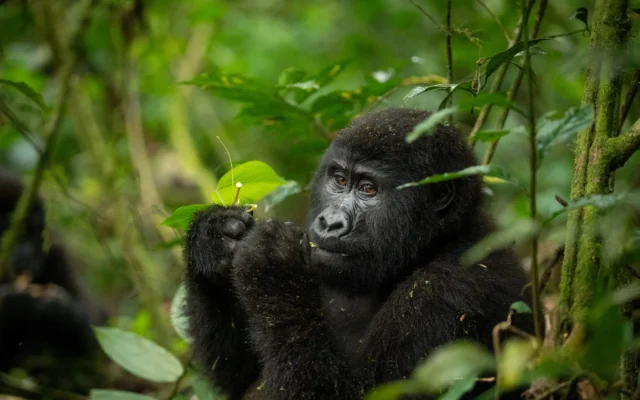
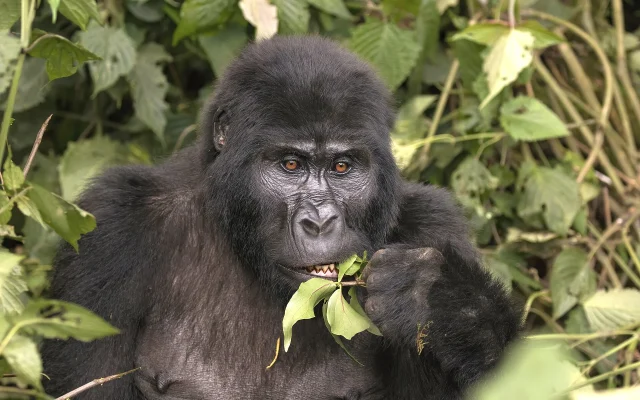
Samburu anchors northern Kenya routes through Nairobi, Ol Pejeta Conservancy, and Laikipia Plateau conservancies. Cross-country travellers combine Samburu with the Maasai Mara for southern grassland contrast, or fly onward to Uganda and Rwanda for gorilla trekking in Bwindi Impenetrable National Park and Volcanoes National Park.
Continue planning Samburu National Reserve with Samburu wildlife, Samburu bird watching, Samburu best time to visit, and Samburu getting there, or read the main Samburu National Reserve destination guide.