Introduction: Uganda Safari vs Tanzania Safari
Uganda Safari vs Tanzania Safari is one of the most common comparisons for travelers planning an East African adventure. Both destinations offer world-class wildlife experiences, but each provides a very different style of safari, landscapes, activities, and travel experience.
This guide helps you compare Uganda and Tanzania so you can choose the best destination based on your travel goals, budget, and interests.
Overview of Uganda Safaris
Uganda is known as the “Pearl of Africa” and is famous for its unique combination of primates, wildlife, and cultural experiences.
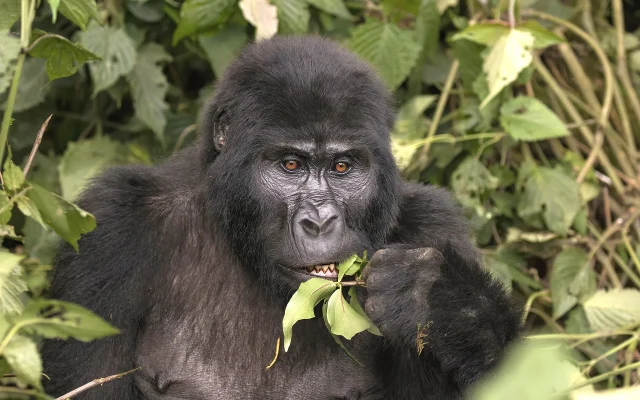
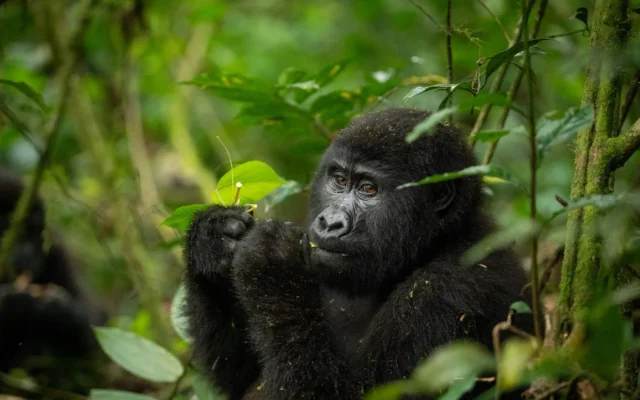
- Home to mountain gorillas in Bwindi Impenetrable Forest.
- Over 1,000 bird species.
- Rich cultural and community tourism.
- Less crowded safari parks compared to Tanzania.
Overview of Tanzania Safaris
Tanzania is one of Africa’s most iconic safari destinations, known for vast savannahs and large wildlife migrations.
- Serengeti National Park and Great Migration.
- Ngorongoro Crater wildlife density.
- Kilimanjaro mountain experiences.
- Large-scale classic safari landscapes.
Wildlife Experience Comparison
Uganda Wildlife Experience
- Mountain gorillas and chimpanzees.
- Dense forest and savannah combination.
- Excellent birdwatching opportunities.
Tanzania Wildlife Experience
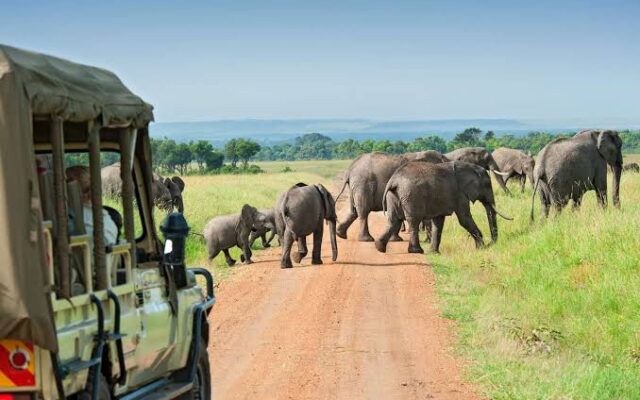
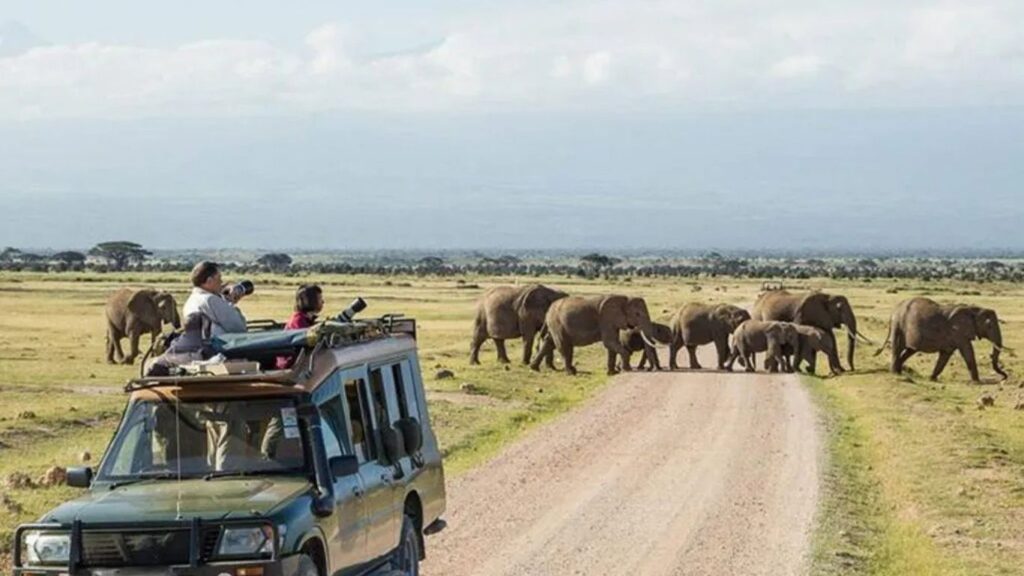
- Big Five sightings in open savannah.
- Great Migration of wildebeest.
- High wildlife density in Serengeti and Ngorongoro.
Gorilla Trekking vs Big Game Safaris
Uganda
- Gorilla trekking is the highlight experience.
- Unique primate encounters not found in Tanzania.
Tanzania
- Focus on lions, elephants, zebras, and wildebeest.
- No gorilla trekking available.
Safari Costs Comparison
| Destination | Average Safari Cost |
|---|---|
| Uganda Safari | $150 – $600 per day |
| Tanzania Safari | $250 – $1,000+ per day |
Uganda is generally more affordable, especially for midrange safaris.
Landscape and Scenery
Uganda
- Rainforests, lakes, mountains, and savannah.
- More diverse and compact ecosystems.
Tanzania
- Vast open plains and dramatic landscapes.
- Iconic African savannah scenery.
Crowd Levels
Uganda
- Fewer tourists.
- More intimate safari experience.
Tanzania
- More popular and busier parks.
- Heavily visited during migration season.
Best Time to Visit
Uganda
- June to August and December to February.
- Good year-round for gorilla trekking.
Tanzania
- June to October (migration and dry season).
- January to March (calving season).
Activities Comparison
Uganda
- Gorilla trekking.
- Chimpanzee tracking.
- Cultural village tours.
- Boat safaris and birding.
Tanzania
- Game drives in Serengeti.
- Hot air balloon safaris.
- Great Migration viewing.
- Beach extension in Zanzibar.
Which Safari Should You Choose?
Choose Uganda if you want:
- Gorilla trekking experience.
- Fewer crowds and intimate safaris.
- More cultural interaction.
Choose Tanzania if you want:
- Big Five and Great Migration.
- Classic open savannah safari.
- Luxury large-scale safari lodges.
Frequently Asked Questions
Which is better, Uganda or Tanzania safari?
Both are excellent; Uganda is better for gorillas, Tanzania for big game and migration.
Is Uganda safari cheaper than Tanzania?
Yes, Uganda is generally more affordable.
Can I combine Uganda and Tanzania?
Yes, many travelers combine both in East Africa itineraries.
Conclusion
Uganda Safari vs Tanzania Safari depends on your travel preferences. Uganda offers unique primate encounters and cultural depth, while Tanzania provides classic savannah wildlife and the Great Migration.
Both destinations deliver unforgettable African safari experiences.
Uganda Strengths vs Tanzania
Uganda compresses gorillas, chimps, savannah, Nile, and 1,000+ bird species into shorter overland distances than Tanzania’s vast Serengeti–Ngorongoro canvas. Tanzania excels at migration spectacle, Ngorongoro Crater density, and Zanzibar beach finales on two-week luxury circuits.
Permit and Logistics Reality
Uganda gorilla permits (USD 800 foreign non-resident) undercut Tanzania’s lack of mountain gorillas entirely—Tanzania offers chimpanzees on Mahale/Gombe islands requiring costly fly-in logistics. Uganda’s Bwindi is road or short flight accessible from Entebbe or Kigali.
Which Destination Fits You?
Choose Tanzania for Serengeti migration priority and Indian Ocean beach. Choose Uganda for gorilla/chimp centerpiece with solid savannah and lower permit spend. Some travelers do both via regional flights—budget with Uganda safari cost and compare timing in Uganda vs Tanzania safari timing.
Beach Extensions
Tanzania pairs naturally with Zanzibar beach finales; Uganda lake resorts on Bunyonyi or Ssese Islands offer softer beach alternatives without Indian Ocean flights. Choose based on whether primates or migration headline your story.
Park Fees and Crowding
Tanzania’s Ngorongoro and Serengeti fees add up on multi-day circuits; Uganda park entries are moderate though gorilla permits dominate budgets. Serengeti migration crowds exceed Uganda savannah traffic except holiday peaks at Murchison viewpoints.
Fly-In Options
Tanzania’s internal flights link Serengeti, Arusha, and Zanzibar efficiently; Uganda’s Kihihi and Kasese airstrips shorten Bwindi access similarly. Compare total fly-in cost—not just international arrival city—when timing matters.
Tanzania’s sheer park size rewards two-week budgets; Uganda’s compact highlights suit eight-to-ten-day first visits. Neither replaces the other—they answer different bucket-list priorities.
Planning Your Next Steps
Uganda rewards travelers who book permits early, pack for equatorial weather swings, and choose realistic drive times between parks. Cross-check this guide with our Uganda travel guide, safari planning workflow, and travel tips before you confirm flights. Gorilla and chimp dates should anchor your calendar; everything else—lodges, vehicles, cultural stops—fits around those fixed permit mornings.
Licensed operators provide itemised quotes separating park fees, permits, and lodging so you compare offers fairly. Shoulder seasons often deliver excellent wildlife with fewer vehicles on savannah tracks and more permit flexibility in the forest. Travel insurance, yellow fever documentation, and a working local SIM remain essentials regardless of month or budget tier.

 Read