Introduction: Uganda Culture
Uganda Culture is one of the richest and most diverse cultural landscapes in Africa. Known as the Pearl of Africa, Uganda is home to over 50 ethnic groups, each with unique traditions, languages, music, dance, food, and social systems that collectively form a vibrant national identity.
Uganda’s culture is deeply rooted in community life, oral traditions, and respect for elders. It is shaped by historical kingdoms, pastoral communities, agricultural societies, and forest-dwelling indigenous groups, all contributing to a dynamic and living cultural heritage.
Overview of Uganda’s Cultural Diversity
Uganda’s cultural identity is shaped by its ethnic composition and historical kingdoms.
Main cultural regions include:
- Buganda (Central Uganda): Largest kingdom with strong royal traditions.
- Bunyoro & Tooro (Western Uganda): Ancient kingdoms with rich heritage.
- Ankole (Southwestern Uganda): Cattle-keeping and pastoral culture.
- Karamoja (Northeastern Uganda): Semi-nomadic warrior communities.
- Acholi & Langi (Northern Uganda): Music, dance, and oral storytelling.
- Busoga (Eastern Uganda): River-based culture and fishing traditions.
Languages in Uganda
Uganda is a multilingual country with over 40 spoken languages.
- English (official language).
- Swahili (widely used in East Africa).
- Luganda (widely spoken in central region).
- Acholi, Runyankole, Lusoga, and many others.
Language diversity reflects Uganda’s cultural richness and unity in diversity.
Traditional Music and Dance
Music and dance are central to Uganda’s cultural identity.
Common features include:
- Traditional drums and percussion instruments.
- Storytelling through dance movements.
- Community celebrations and ceremonies.
- Royal and warrior dances.
Each ethnic group has its own distinct dance style and rhythm.
Uganda’s Cultural Kingdoms
Buganda Kingdom
- Most influential kingdom in Uganda.
- Rich royal heritage and traditions.
- Cultural ceremonies and leadership system.
Bunyoro Kingdom
- One of the oldest kingdoms in Uganda.
- Strong historical and archaeological heritage.
Tooro Kingdom
- Known for cultural pride and royal traditions.
- Beautiful landscapes and heritage sites.
Uganda Cultural Practices
Ugandan culture is expressed through daily life practices including:
- Respect for elders and community hierarchy.
- Communal living and cooperation.
- Traditional marriage ceremonies.
- Rites of passage and naming ceremonies.
- Harvest celebrations and festivals.
Uganda Traditional Food Culture
Food is an essential part of Ugandan culture.
Popular dishes include:
- Matoke: Steamed green bananas.
- Posho: Maize flour staple food.
- Groundnut sauce: Peanut-based sauce.
- Nyama choma: Grilled meat.
- Rolex: Popular street food (egg and chapati wrap).
Indigenous Communities in Uganda
Batwa People
- Indigenous forest dwellers of Bwindi region.
- Rich forest survival traditions.
- Deep cultural connection to nature.
Karamojong People
- Pastoral and semi-nomadic community.
- Cattle-centered cultural system.
- Strong warrior traditions.
Uganda Cultural Arts and Crafts
Uganda has a strong tradition of handmade arts and crafts.
- Basket weaving.
- Wood carving.
- Bead making and jewelry design.
- Pottery and traditional tools.
These crafts are often sold in local markets and cultural centers.
Festivals and Cultural Events
Uganda hosts various cultural celebrations throughout the year:
- Kingdom cultural ceremonies.
- Music and dance festivals.
- Cultural heritage events.
- Community harvest celebrations.
Religion and Culture in Uganda
Uganda is a religiously diverse country with peaceful coexistence.
- Christianity is the dominant religion.
- Islam is widely practiced.
- Traditional beliefs still influence cultural practices.
Uganda Culture and Tourism
Culture is a major part of Uganda’s tourism industry.
Visitors can experience:
- Cultural village tours.
- Traditional music and dance performances.
- Storytelling and heritage experiences.
- Cultural workshops and homestays.
Combining Culture with Safaris
Uganda culture can be combined with wildlife experiences such as:
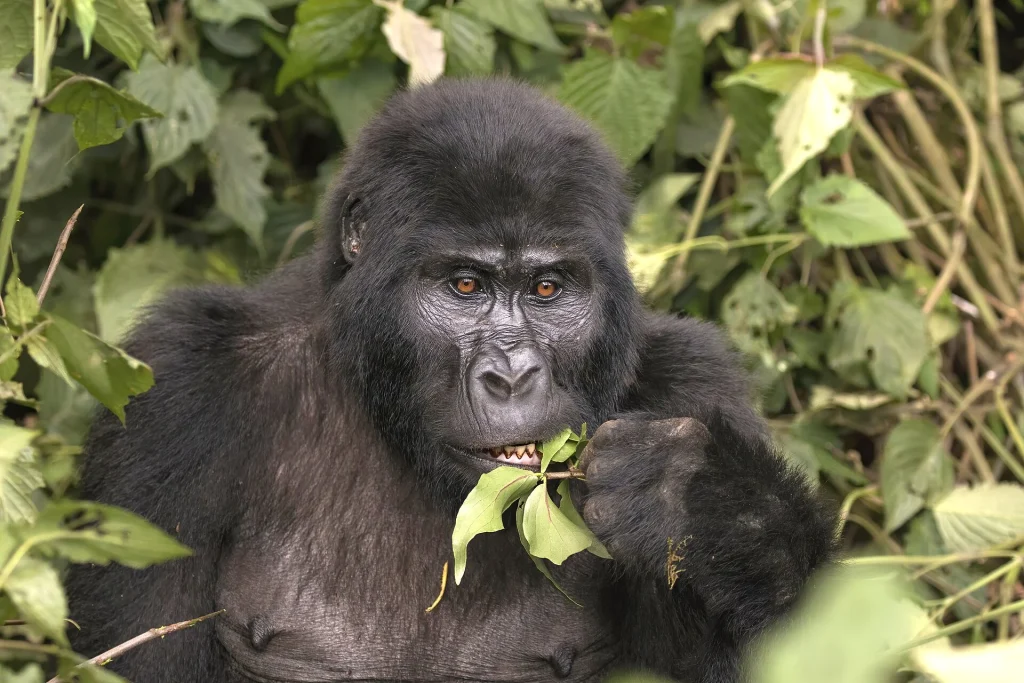
- Gorilla trekking in Bwindi.
- Chimpanzee tracking in Kibale.
- Game drives in Queen Elizabeth National Park.
- Boat cruises on the Nile.
Best Time to Experience Uganda Culture
- June to August (dry season).
- December to February (peak tourism season).
Cultural experiences are available throughout the year.
Uganda Cultural Tourism Cost Overview
| Experience Type | Price Range |
|---|---|
| Village Visit | $20 – $50 |
| Cultural Performance | $30 – $80 |
| Full Cultural Tour | $80 – $150 |
| Multi-Day Cultural Safari | $400 – $3,000+ |
Frequently Asked Questions About Uganda Culture
What is Uganda known for culturally?
Uganda is known for its ethnic diversity, traditional kingdoms, music, dance, and community-based lifestyle.
How many cultures are in Uganda?
Uganda has over 50 ethnic groups, each with unique traditions.
Is Uganda culturally safe for tourists?
Yes, Uganda is safe and welcoming to cultural visitors.
Can tourists participate in cultural activities?
Yes, visitors can join dances, cooking, storytelling, and workshops.
Conclusion
Uganda Culture is a living and evolving heritage that reflects the country’s diversity, unity, and traditions. From royal kingdoms to indigenous communities, Uganda offers one of the richest cultural experiences in Africa.
For travelers, Uganda provides an opportunity not only to observe culture but to actively experience it through meaningful interactions and immersive tourism.
Music, Dance, and Storytelling
Drums, adungu harps, and energetic dances mark celebrations from Buganda royal events to Karamojong cattle ceremonies. Oral history preserves clan genealogies, migration stories, and moral lessons—guides and elders often share these during cultural tours and village visits.
Food as Cultural Identity
Matooke (steamed green banana), groundnut sauce, luwombo stews, and street Rolex chapati rolls reflect regional agriculture and urban creativity. Cooking experiences in Kampala or Fort Portal connect taste to farming calendars. Try food tours when you want guided market introductions.
Contemporary Culture and Tourism
Modern Uganda blends traditional kingdom institutions, diverse faith communities, and a young, entrepreneurial population. Tourism revenue supports community conservancies, craft cooperatives, and school projects when booked ethically. Explore community tourism and sustainable tourism for responsible choices that respect living cultures, not museum stereotypes.

 Read
Read