Aruu Falls — questions travelers ask before stopping
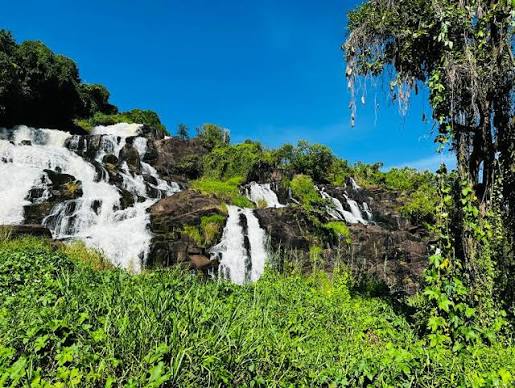
Aruu Falls occupies a specific niche in Uganda travel: a broad Acholi-country cascade system on the Gulu–Kitgum corridor where water spreads across ancient rock rather than vanishing into one gorge. It is not a resort waterfall with formal decks and lifeguards. Understanding that distinction upfront prevents the mismatch of expecting Sipi Falls infrastructure, then discovering raw rock, local guiding, and seasonal slip risk.
The site works best when treated as a purposeful scenic stop from Gulu or en route to Kitgum and Kidepo Valley National Park — not a rushed detour from Kampala. Pair it with Karuma Falls and Murchison Falls on longer northern loops when road logic supports the extension.
Swimming, rock shelves, and safety
Some visitors swim in natural pools at Aruu, but only where local guides confirm safety. Water levels, currents, submerged rocks, and slippery entries change quickly — especially after rain. The multi-level cascade layout means safe zones shift seasonally; never assume a pool that looked calm last month remains safe today.
Walking the rock shelves is the main activity. Wet stone injures more travelers than wildlife encounters ever will. Shoes with grip, cautious pacing, and guide-led routes matter more than athletic fitness. Keep children away from fast water and steep edges.
Guides, fees, and community tourism
A local guide is strongly recommended — for safe walking lines, swimming boundaries, viewpoints, Acholi context, and current site conditions. Responsible visits support guides, vendors, and community tourism around Pader as the site develops formal infrastructure. Confirm site fees and what guiding includes before you start; structures can evolve as tourism grows.
Ask before photographing local people. Leave no litter; carry out everything you bring. Aruu remains a lived-in landscape, not a sealed attraction.
Time, itinerary fit, and expectations
Most visitors allow one to three hours on site plus driving from Gulu or Kitgum. Photographers and families picnicking may stay longer; tight Kidepo transfers may shorten the stop to a focused walk. Aruu rarely anchors a multi-night safari alone — base in Gulu, Kitgum, or onward Kidepo lodges.
Compared with Sipi Falls or Murchison's Nile power, Aruu is more intimate and more local. That is the point on northern routes: variety, rest, and Acholi landscape between bigger parks.
Name, culture, and local history context
Guides often explain that the name Aruu relates to a Luo word meaning woken up — a memorable hook for travelers hearing Acholi landscape stories for the first time. Some sources mention historical visits by former leaders; treat those as optional local context when shared on site. The waterfall itself remains the anchor: wide rock, multi-level flow, and northern light that changes through the day.
Packing and practical checklist
Carry shoes with grip, drinking water, sun protection, a towel if swimming is planned, a camera, cash for guides or fees, and litter bags. Rainy-season visitors need flexibility for road delays. Share onward drive plans with your driver so Aruu does not consume daylight needed for Kitgum or Kidepo arrival.
Where to read next
Nature and local context: Aruu Falls wildlife.
Casual birding on the stop: Aruu bird watching.
Seasons and flow: best time for Aruu.
Gulu and Kitgum access: how to get to Aruu.
The main Aruu Falls destination guide covers the full hub overview, nearby combinations, and safari planning context.