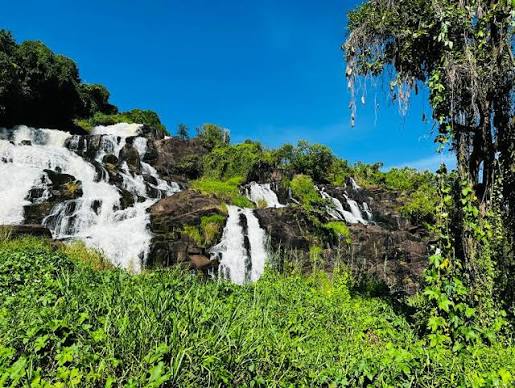
How to get to Aruu Falls
Most travelers reach Aruu Falls by private vehicle on northern Uganda itineraries linking Gulu, Kitgum, Kidepo Valley National Park, and sometimes Murchison Falls National Park via Karuma Falls. The site lies around Lupaya village in Angagura sub-county, Pader District, near the Gulu-Kitgum road — commonly cited at about 47 km from Gulu and 57 km from Kitgum, though exact timing depends on starting point, road surface, and stops.
From Gulu
From Gulu, Aruu is the most natural half-day or scenic en-route stop. Allow roughly one to one-and-a-half hours driving each way under normal conditions, plus one to two hours on site with a local guide walking rock shelves and viewpoints. Gulu offers the strongest city services — fuel, repairs, accommodation — for travelers staging northern loops.
Organized safaris normally coordinate vehicle, driver-guide, and community guide fees in one plan. Independent travelers with rental cars should confirm the current turn-off and approach road with a lodge or guide before departure — local access details can shift with maintenance projects.
From Kitgum and Kidepo routes
Travelers heading south from Kitgum or returning from Kidepo can treat Aruu as a refreshing break before Gulu overnight. Position the stop early enough in the day for safe rock walking and photography light. Do not stack Aruu after a long Kidepo drive if arrival at Gulu will fall after dark unless your operator confirms road safety.
From Murchison Falls and Karuma
Routes from Murchison Falls through Karuma Falls toward Gulu can include Aruu when the itinerary continues north or east — a waterfall contrast day after Nile boat safaris and savannah drives. This is a multi-day northern extension, not a same-day Murchison side trip. Realistic pacing matters more than map distance.
From Kampala or Entebbe
Reaching Aruu from Kampala or Entebbe requires long overland travel to Gulu first — typically five to seven hours depending on route and stops. Most visitors should not attempt Aruu as a standalone day trip from the capital. Treat it as part of a Gulu–Kidepo or Murchison–northern Uganda circuit after you are already in the region.
Self-drive vs guided tour
Self-drive is possible for experienced visitors with a suitable vehicle — especially in drier months — but a local guide at the falls remains strongly recommended for safe walking lines, swimming boundaries, and cultural context. First-time northern Uganda travelers usually prefer a driver-guide from Gulu or a full safari operator coordinating the wider route.
A 4×4 is useful in rainy periods or when approach roads are rough. Sedan cars may reach the area in dry weeks but carry more risk after heavy rain — confirm conditions rather than assuming dry-season reports still apply.
What the final leg looks like
The signature Aruu experience is a guided walk across rock shelves, pools, and cascade viewpoints. Wear shoes with grip, expect splash near powerful flow, and follow guides away from fast-water edges. Swimming only where locally approved. Carry water, sun protection, cash for guide or site fees, and a bag for litter you bring in.
Infrastructure improvements — roads, walkways, guardrails — have been reported in planning documents but may not be complete everywhere. Maintain practical safety expectations until on-site conditions confirm otherwise.
Public transport and independent travelers
Most international visitors use private safari vehicles. Independent travelers on public transport can reach Gulu by bus from Kampala, then hire local transport and a falls guide for the Pader leg — workable but slower than an organized northern loop. Confirm return timing if you are not staying overnight in Gulu or Kitgum.
Combining transport with other northern sites
Logical pairings include Gulu town, Kidepo, Pian Upe Wildlife Reserve on some cross-country routes, and waterfall contrasts with Murchison and Sipi Falls on longer Uganda circuits. Build fixed commitments — Kidepo lodge check-in, park gates — around the waterfall stop, not vice versa.
Seasonal notes sit on our Aruu Falls best time to visit page. Nature context sits on wildlife and bird watching.