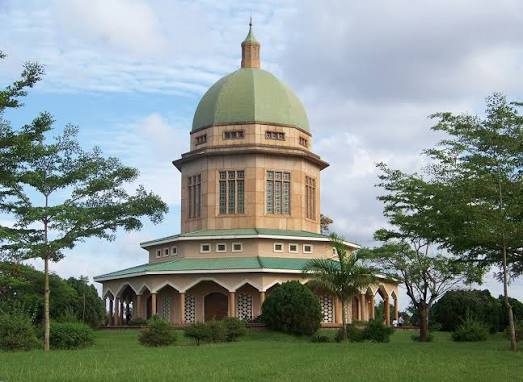
Weather and climate at Bahai Temple Kampala
Bahai Temple Kampala sits on an exposed hilltop north of Kampala's congested core — which means garden walks catch breeze and sun more openly than shaded museum galleries downtown. The Mother Temple of Africa welcomes visitors year-round; unlike gorilla trekking, weather rarely cancels a hilltop stop. What changes is comfort: morning coolness versus afternoon heat, lawn firmness after rain, and how quickly city traffic recovers when showers slow cross-town transfers between the temple and Uganda Museum, Kasubi Tombs, or Ndere Cultural Centre.
Kampala's broader climate pattern
Kampala follows classic equatorial rhythms — relatively stable temperatures with two rainy seasons and two drier windows each year. Broadly drier periods run roughly June to September and December to February, simplifying garden walks and combined city touring. Rainier peaks center on March to May and October to November, bringing lush greenery, atmospheric photography, and occasional downpours that interrupt traffic more than they close the temple.
Altitude near 1,200 metres keeps nights mild and days warm rather than extreme. Brief showers can arrive even in drier months — Kampala weather changes quickly, so a light rain layer belongs in day bags year-round.
Seasonal effects on Kikaaya Hill gardens
On Kikaaya Hill, seasonal shifts show in garden texture more than in temple access. Dry-season lawns stay easier underfoot for full garden loops and photography of the green dome against clear sky. Rainy-season grass grows vivid, flowering borders peak, and bird activity around shrubs can strengthen after showers — sunbirds and weavers work blooms while raptors ride thermals above the nine-sided structure.
Heavy rain may discourage long outdoor circuits but the Baháʼí House of Worship interior remains a calm refuge. Carry shoes with modest grip for damp paths and expect slower transfers between capital stops on wet afternoons.
Temperature and time-of-day comfort
Morning visits win for cooler temperatures, softer light on architecture, calmer paths, and stronger garden bird activity. Early hill time also preserves afternoon space for Ndere performances, markets, or drives toward western Uganda safari routes. Late afternoon can be beautiful for Kampala views from the gardens — golden light on the skyline — but plan return traffic realistically; evening congestion does not respect itinerary optimism.
Midday sun on open lawns is the main comfort challenge. Shade under mature trees helps, yet modest clothing and hydration matter when you combine interior quiet time with full garden walks in peak heat.
Rainy season city touring
Rain rarely closes the Mother Temple of Africa. Devotional schedules should be confirmed locally — Sunday programs continue through most weather. What rain disrupts is Kampala traffic: wet roads, flooded dips, and cautious drivers extend drive times between Kikaaya Hill and other monuments. Build thirty to forty-five minutes of cushion each way when pairing the temple with museum or tomb visits on storm-prone days.
Photographers often love rainy-season drama — cloud stacks behind the dome, rain-washed stone, and luminous gardens — if gear is protected and footwear is practical.
Dry season and peak travel demand
Drier months align with peak international travel to Uganda — gorilla permits, safari lodges, and Kampala hotels book earlier. Temple gardens feel simpler underfoot, city days feel less interrupted by downpours, and combined Entebbe arrival days with hill visits are easier to schedule. December holiday demand in the capital makes morning temple slots valuable for beating both heat and congestion.
Travelers heading west after Kampala — toward Lake Mburo, Queen Elizabeth, or Bwindi — often visit the temple as a deliberate pre-safari pause in drier windows when highway conditions are predictable.
What to pack for hilltop weather
Light breathable clothing for warm days, a foldable rain layer, sun protection for open lawns, and comfortable walking shoes for graded garden paths. Modest dress suits the sacred site in every season. Binoculars reward rainy-season birding if you walk slowly after showers.
Month-by-month timing detail sits on our best time to visit page; garden ecology on wildlife and bird watching.