Bahai Temple Kampala — questions travelers ask before visiting
Bahai Temple Kampala occupies a distinct place in Uganda travel: the first Baháʼí House of Worship on the African continent, open to all people, set in large gardens on Kikaaya Hill north of Kampala's congested core. It is not a viewpoint-only Instagram stop. Understanding that distinction upfront leads to quieter visits, better photography ethics, and richer pairing with Uganda Museum, Kasubi Tombs, and Ndere Cultural Centre.
Why the temple matters
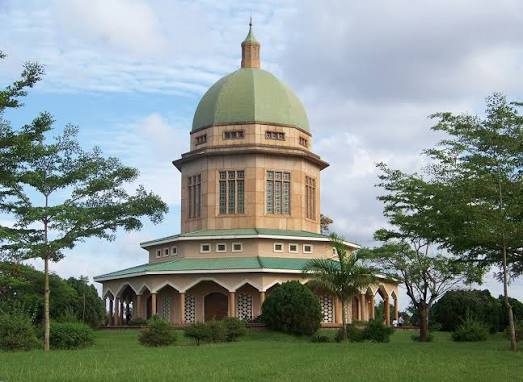
Dedicated January 1961, the site is known as the Mother Temple of Africa — a nine-sided domed structure designed by Charles Mason Remey, adapted with Ugandan stone and timber alongside international materials. Baháʼí Houses of Worship express unity and openness: no pulpit politics, no exclusion by religion or background. For travelers mapping Kampala cultural sites, that makes the temple a rare continental faith landmark rather than another urban monument.
Non-Baháʼí visitors, dress, and behaviour
Non-Baháʼí visitors are welcome inside and in the gardens. Dress modestly, speak quietly, follow caretaker instructions, and avoid intrusive photography near worshippers or devotional gatherings. The site is peaceful and sacred even when visited as part of a city tour — behaviour should reflect that.
Sunday devotional programs are part of living use. Confirm current times locally if attendance interests you. Flash photography and loud conversation are inappropriate near prayer.
Time, traffic, and itinerary fit
Most visitors allow 45 minutes to 1.5 hours for gardens, architecture, and optional quiet reflection. Same-day combinations with multiple Kampala stops demand traffic buffers — the capital punishes overpacked schedules. Entebbe transfer days can include the temple only when flight timing allows generous margins.
The temple rarely anchors a multi-night stay alone. Guests base in Kololo, Nakasero, Naguru, Ntinda, or other Kampala areas depending on wider plans toward Bwindi, Queen Elizabeth, or Murchison Falls.
Gardens, views, and quiet value
Many travelers love the temple as much for Kikaaya Hill gardens and city views as for the dome itself. Slow walks produce birds, shade, and perspective that balance busier Kampala stops. See our wildlife and bird watching pages for garden ecology detail.
Architecture and materials worth noticing
Sources describe the green tiled dome, coloured glass, nine-sided form, and stone quarried in Uganda — details caretakers or guides may explain when available. The design expresses Baháʼí openness: a circular welcoming space rather than a fortress-like structure. Even visitors without faith background often find the interior atmosphere unexpectedly moving when they enter quietly and allow a few minutes of stillness before returning to city noise.
Guesthouse and administrative buildings on the property support community life beyond tourism — reminder that the hill is lived-in faith infrastructure, not a museum only. Respect posted areas and staff direction if maintenance or community programs limit access to specific garden sections on your visit day.
Where to read next
Gardens and nature: Bahai Temple wildlife.
Urban birding: Bahai Temple bird watching.
Seasons and timing: best time to visit.
Kikaaya Hill access: how to get there.
The main Bahai Temple Kampala destination guide covers the full hub overview, nearby combinations, and safari planning context.