Things to do at Bahai Temple Kampala
Bahai Temple Kampala — formally the Baháʼí House of Worship in Kampala — is the only Baháʼí temple on the African continent and one of the capital's most meaningful cultural stops. Unlike checklist monuments squeezed between traffic lights, the site on Kikaaya Hill asks for slower pacing: enter the nine-sided domed building, walk the gardens, absorb hilltop views across Kampala, and allow quiet minutes before the city rhythm resumes. Most travelers allow 45 minutes to 1.5 hours; heritage-focused days can stretch longer when devotionals or full garden loops are included.
Visit the House of Worship
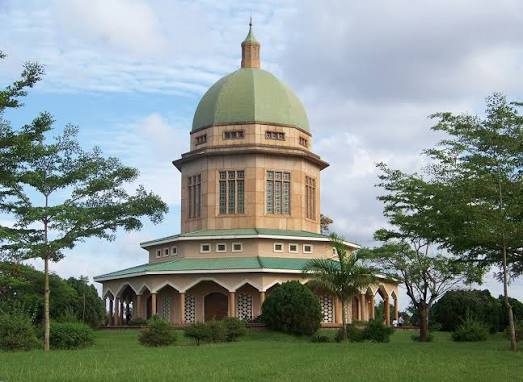
The defining experience is entering the Mother Temple of Africa itself. Dedicated January 1961, the structure was designed by Charles Mason Remey and adapted with Ugandan stone and timber alongside international materials. Baháʼí Houses of Worship welcome people of every background — no pulpit politics, no exclusion by religion or nationality. Non-Baháʼí visitors enter quietly, observe the circular welcoming interior, and follow caretaker guidance on photography and conduct near prayer.
Sources describe a green tiled dome rising more than 130 feet, coloured glass, and a space built for reflection rather than performance tourism. If devotional readings or music are underway, sit respectfully at the rear or wait outside until invited. Flash photography and loud conversation are inappropriate inside.
Walk the Kikaaya Hill gardens
The gardens are not decorative filler around a dome — they are part of the worship experience. Mature trees, lawns, flowering borders, and graded paths create shade, bird habitat, and elevated views that many visitors remember as vividly as the architecture. Slow walks produce sunbirds, weavers, raptors overhead, butterflies after rain, and the calm that balances busier Kampala stops such as markets or museum galleries.
Morning garden time pairs naturally with afternoon visits to Uganda Museum or Kasubi Tombs. Evening garden light can be beautiful, but plan return traffic realistically — the capital punishes overpacked schedules.
Attend or observe devotional programs
Sunday devotional gatherings are part of living temple use. Travelers who wish to attend respectfully — not only photograph lawns — should confirm current times with caretakers or official sources before fixing the day plan. Typical visiting windows run roughly morning to late afternoon on most days, with Sunday programs drawing larger community attendance. Weekday mornings often feel quieter for pure architectural and garden touring.
Modest dress, low voices, and sensitivity near worshippers matter especially during prayer. The site remains open to all, but behaviour should reflect sacred use.
Photography and architecture appreciation
Architecture lovers, couples, and city explorers find strong frames here: the green dome against Kampala sky, nine-sided geometry, stone quarried in Uganda, and garden paths leading toward panoramic viewpoints. Telephoto lenses capture birds on flowering shrubs; wide angles suit the dome and skyline together. Treat worshippers with the same courtesy as wildlife — ask before intrusive portraits, avoid flash near devotional moments, and prioritise reflection over checklist photography.
Learn Baháʼí heritage in Uganda
Ask respectfully about the temple's story: construction beginning in the late 1950s, dedication as the continent's first Baháʼí House of Worship, and the growth of Baháʼí community life in Uganda. A city guide or available caretaker can add context on how the hill fits Kampala's wider religious landscape — churches, mosques, shrines, tombs, and spiritual communities across the capital.
Guesthouse and administrative buildings on the property support community life beyond tourism. Respect posted areas and staff direction if maintenance or programs limit access to specific garden sections on your visit day.
Build a Kampala heritage day around the temple
The temple works best inside a themed city day rather than as an isolated detour. A Kampala cultural tour might sequence Kikaaya Hill first for calm, then Uganda Museum for national history, Kasubi Tombs for Buganda royal heritage, and Ndere Cultural Centre for evening performance. Faith-focused routes may pair the temple with Namugongo Martyrs Shrine on pilgrimage-themed itineraries.
See also our dedicated guides on bird watching, best time to visit, and how to get there for season, access, and garden ecology detail.
Combine with Entebbe arrivals and Uganda safaris
Travelers arriving via Entebbe International Airport sometimes include the temple on a first or last Kampala day when flight timing allows generous traffic margins. The Entebbe–Kampala highway plus cross-city driving can consume hours before any site time — realistic only when you are not catching a tight international departure. Many guests prefer one night in Kampala, then a calm morning temple visit before continuing west toward Lake Mburo, Queen Elizabeth, or Bwindi.
The temple rarely anchors a multi-night stay alone. It adds architecture, gardens, faith heritage, and reflection to a Uganda safari that might otherwise move too quickly from airport to wildlife park — a deliberate pause on Kikaaya Hill before weeks of early-morning game drives.