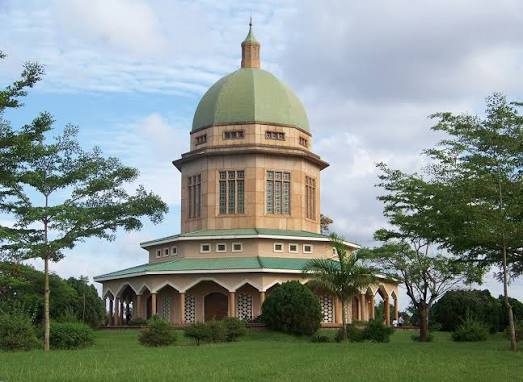
Best time to visit Bahai Temple Kampala
Unlike gorilla trekking, where permits dominate calendars, Bahai Temple Kampala is flexible. The planning questions are practical: Will you visit in morning quiet or afternoon heat? Does traffic allow pairing with Uganda Museum and Kasubi Tombs? And are you arriving from Entebbe on a transfer day that already competes for hours?
Time of day: mornings win for gardens and birdlife
For cooler temperatures, softer light on the green dome, calmer paths, and stronger garden bird activity, morning is the clear preference. Early visits also preserve afternoon space for Ndere Cultural Centre performances, markets, or drives toward western Uganda safari routes. Late afternoon can be beautiful for Kampala views from Kikaaya Hill — but plan return traffic realistically; the capital's congestion does not respect itinerary optimism.
Dry season vs rainy season
Uganda's broadly drier windows — roughly June to September and December to February — simplify garden walks and city touring across Kampala. Lawns stay easier underfoot, photography of architecture and skyline may be clearer, and combined city days feel less interrupted by downpours.
Rainy periods centered on March to May and October to November bring lush greenery and atmospheric garden photography — but carry a light rain layer and expect traffic delays between hilltop stops. The temple itself remains open in most weather; devotional schedules should be confirmed locally.
Devotional programs and Sunday visits
Sunday devotional gatherings are part of the living use of the Baháʼí House of Worship. Travelers who wish to attend respectfully — not only photograph gardens — should confirm current times with caretakers or official sources before fixing the day plan. Non-Baháʼí visitors are welcome, but quiet conduct and modest dress matter especially during prayer.
If your goal is purely architectural and garden touring, weekday mornings often feel quieter than peak Sunday community hours — though the temple's openness to all remains constant.
Kampala heritage day timing
The temple works best inside a themed city day rather than as an isolated detour. A Kampala cultural tour might sequence Kikaaya Hill first for calm, then museum or tombs, then evening performance — or reverse order if traffic patterns favor it. Faith-focused routes may pair the temple with Namugongo Martyrs Shrine on pilgrimage-themed itineraries.
Entebbe arrival or departure days can include the temple when flight timing allows — but avoid stacking it with too many stops after a long airport transfer. One calm hilltop hour beats a rushed checklist of monuments.
Month-by-month snapshot
January–February: Often drier, comfortable garden walks; popular with winter escape travelers touring Kampala before safaris.
March–May: Rainier, lush gardens; allow traffic flexibility between city sites.
June–August: Drier, peak travel season; book city guides and hotels early.
September: Transition month — still workable, watch for early rains.
October–November: Second rainy peak possible; dramatic skies for photography.
December: Holiday demand in Kampala; morning temple visits help beat congestion.
For garden ecology and birding detail, pair this page with our Bahai Temple Kampala wildlife and bird watching guides.
Pre-safari and post-safari calm
Travelers about to drive west toward Lake Mburo, Bwindi, or Queen Elizabeth sometimes visit the temple as a deliberate pause — a quiet hill before weeks of early-morning game drives. The same logic works on return when you want reflection after intensive wildlife days rather than immediate shopping or traffic stress in central Kampala.
Hotel location matters for timing. Staying in Naguru, Bukoto, or Ntinda may shorten the hill approach compared with lakeside Entebbe bases — yet even nearby districts hit rush-hour delays. Build thirty to forty-five minutes of traffic cushion each way when combining the temple with museum or tomb visits on one calendar day.