Travel tips for Bahai Temple Kampala
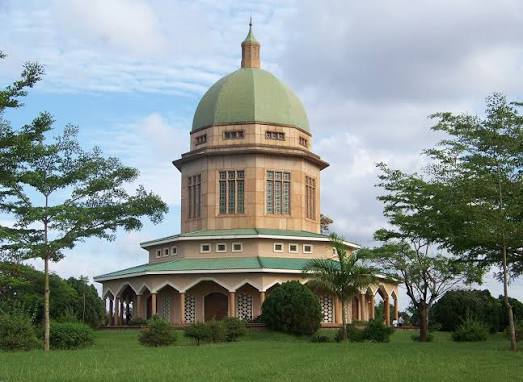
Bahai Temple Kampala is straightforward to visit once you respect its sacred character and plan Kampala time honestly. The Mother Temple of Africa — the only Baháʼí House of Worship on the continent — opens its gardens and nine-sided dome to all people, yet behaves as an active place of prayer, not a viewpoint-only Instagram stop. These tips help first-time visitors, faith-heritage travelers, and safari guests adding a calm hilltop hour before drives toward Bwindi or Queen Elizabeth.
Dress, conduct, and photography
Wear modest, comfortable clothing suitable for a place of worship — covered shoulders and knees are a safe baseline. Speak quietly inside and near the House of Worship, follow caretaker instructions, and avoid intrusive photography near worshippers or devotional gatherings. Flash photography is inappropriate during prayer. Treat people with the same courtesy you would expect at any sacred site worldwide.
Garden and exterior photography is generally welcome; architecture lovers find strong frames of the green dome, coloured glass, and Kampala skyline. Ask before photographing individuals. Tripods may be restricted near devotional areas — check on arrival.
Visiting hours and devotional timing
The temple is typically open to visitors during daylight hours on most days — commonly morning through late afternoon — though exact times can shift with community programs or maintenance. Confirm locally the day before your visit, especially if you hope to attend Sunday devotional gatherings respectfully rather than only tour lawns.
Non-Baháʼí visitors are welcome at devotionals; arrive early, sit quietly, and avoid leaving mid-reading unless necessary. Weekday mornings often feel calmer for pure garden and architecture touring.
How long to stay and what to bring
Allow 45 minutes to 1.5 hours depending on garden loops, interior reflection, and optional devotional observation. Small cash for donations or literature may be useful though not always required — main costs are transport and optional city guide fees, not park-style entry tariffs.
Bring water for warm afternoons, a light rain layer for Kampala's quick showers, binoculars if garden birding interests you, and comfortable shoes for graded paths. Litter never belongs on a sacred hill — carry out everything you carry in.
Traffic and Kampala itinerary pacing
Kikaaya Hill is close in kilometres yet far in minutes when Kampala congestion peaks. From central hotels, budget 30–60 minutes each way in busy periods. Same-day combinations with Uganda Museum, Kasubi Tombs, and Ndere Cultural Centre demand traffic buffers — build the day around fixed commitments like Ndere show times, not the reverse.
Tell your guide if you want unhurried garden time; some city tours rush monuments without hilltop stillness. One calm Kikaaya hour beats a rushed checklist of capital landmarks.
Entebbe arrivals and safari transitions
Travelers landing at Entebbe International Airport sometimes include the temple on a first or last Kampala day when flights allow. Entebbe–Kampala highway time plus cross-city driving can consume two to three hours round-trip before site time — realistic only with generous margins, not tight departures.
Many guests prefer one Kampala night, then a morning temple visit before westbound safari legs. The hill works as pre-safari reflection and post-safari decompression — a pause before shopping stress or immediate airport transfers.
Pairing with nearby capital sites
Sequence themed days: faith routes with Namugongo Martyrs Shrine; heritage routes with museum and tombs; performance evenings at Ndere after afternoon calm. Confirm Kasubi Tombs opening status before routing Buganda royal stops — access rules change during restoration periods.
For deeper planning see how to get there, best time to visit, and the main Bahai Temple Kampala destination guide.
Money, guides, and independent visits
Registered taxis, ride-hailing apps, and pre-arranged Kampala city tours all reach the hill — confirm the Kikaaya Hill destination clearly with drivers unfamiliar with the Bahai Temple name. Independent visits work; guides add context on 1961 dedication, continental significance, and Uganda's religious landscape. Cards work at upscale Kampala hotels; cash remains useful for tips and small purchases.