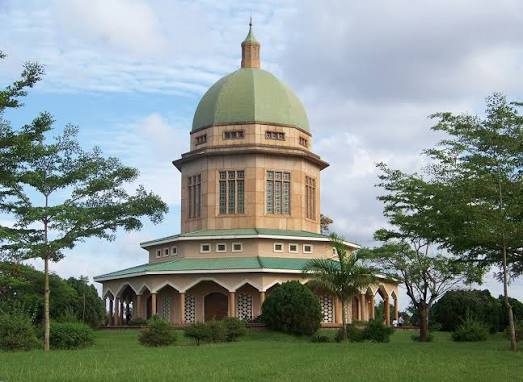
Safety and travel health at Bahai Temple Kampala
Bahai Temple Kampala is not a remote park with animal charges or armed ranger protocols — it is an active Baháʼí House of Worship on Kikaaya Hill inside Kampala. Safety and health considerations therefore blend sacred-site etiquette, capital urban awareness, and broader Uganda travel guidance for guests who combine the temple with Entebbe arrivals, western safari drives, or multi-day Kampala cultural tours.
On-site safety and sacred-site conduct
The temple grounds are maintained, staffed, and routinely visited by international travelers on organized city tours. Primary on-site risks are behavioural rather than criminal — loud voices, intrusive photography, litter, or disrespect near prayer undermine both safety culture and visitor experience. Follow caretaker instructions, keep to paths, and treat worshippers as participants in sacred life rather than photo subjects.
Wheelchair and mobility access may vary by garden section — ask on arrival if steep paths are manageable. Open lawns are generally easy walking; full garden loops take longer than a quick dome photograph. Afternoon heat on exposed hilltop paths is a comfort factor — hydrate and favour morning visits in warm months.
Kampala urban safety context
Kampala is routinely visited on Uganda safaris. Use registered transport — hotel taxis, reputable tour vehicles, or ride-hailing with clear Kikaaya Hill destinations. Guard valuables in crowded markets if you combine the temple with Owino or craft centres on wider city days. Avoid isolated night walks; plan Ndere returns and evening transfers through known drivers.
Traffic is the daily frustration most visitors cite — not headline crime — when capital days feel stressful. Conservative timing protects wellbeing more than exotic security measures: one calm hilltop hour with reliable pickup beats a rushed monument sprint before an international flight.
Health, malaria, and vaccinations
Uganda travel health guidance applies to Kampala stops even though the temple is urban. Discuss malaria prophylaxis with your doctor before travel — many safari itineraries include rural park nights where risk is higher, and capital stays still sit within endemic zones. Yellow fever vaccination and certificate requirements apply to most international arrivals via Entebbe; keep documents accessible during city transfers.
Carry routine medications, hand sanitiser, and sun protection for open garden walks. Tap water is not recommended for sensitive stomachs — bottled water is widely available through hotels and shops. Travel insurance covering medical evacuation remains sensible for any Uganda safari combining city culture with remote parks.
Food, water, and stomach health on city days
Kampala offers Uganda's widest dining range — street Rolex to hotel international menus. On temple days, eat at established restaurants or hotel venues if you are prone to traveller's stomach issues; save adventurous market tastings for days without long cross-city drives afterward. Moderate hygiene reduces the chance that traffic-heavy afternoons become medically complicated.
Devotional gatherings and crowd comfort
Sunday devotional programs draw community attendance — still peaceful, but busier than weekday mornings. If you prefer solitude, schedule garden touring earlier and observe devotionals quietly from appropriate areas. Non-Baháʼí visitors are welcome; modest dress and low voices matter especially during prayer. Confirm current times locally before fixing faith-themed itineraries with Namugongo Martyrs Shrine.
Combining temple visits with Entebbe and safari legs
Arrival-day temple stops after long flights test fatigue more than security. Land at Entebbe, clear immigration, and assess energy honestly before committing to cross-city hill visits. Many travelers sleep one Kampala night, then visit the Mother Temple of Africa fresh before westbound drives toward Lake Mburo or Bwindi.
Vehicle safety on safari highways is a separate conversation from hilltop gardens — seatbelts, daylight driving, and professional operators matter once you leave the capital. The temple itself adds no special medical risk beyond standard city touring.
Emergency contacts and practical preparedness
Save your hotel, driver, and tour operator numbers before city days. Ugandan emergency services exist but organized travelers rely primarily on operator and hotel support networks. Photograph passport and insurance details stored separately from originals. Small cash helps for tips and incidental purchases when card systems stall.
See travel tips for dress, hours, and photography guidance; how to get there for transport safety and routing.