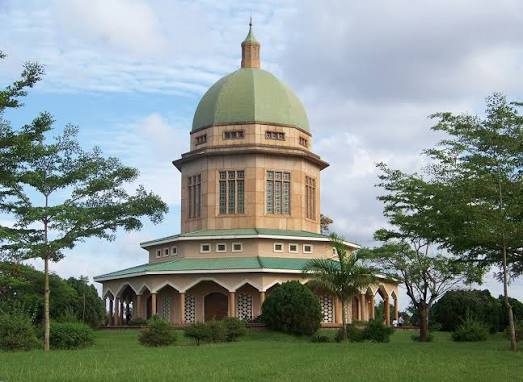
Bird watching at Bahai Temple Kampala
Serious Uganda listers usually anchor Kampala birding at wetlands such as Lutembe Bay Wetland, forest patches like Mabira Forest, or pre-safari stops at Mabamba Swamp near Entebbe. Bahai Temple Kampala still deserves a place on mixed city itineraries — not as a replacement for those sites, but as a quiet hilltop garden where sunbirds, weavers, raptors, and open-country species appear while you absorb architecture and Kampala views.
Why garden birding works on Kikaaya Hill
Bird watching at the Bahai Temple unfolds on foot along lawns, tree-lined paths, and planted borders around the nine-sided House of Worship. There is no forest trail system or wetland boardwalk — instead, you scan from open vantage points with the dome and city skyline as backdrop. That makes the site beginner-friendly: colorful sunbirds on flowers, weaver colonies in trees, doves on paths, and raptors overhead are visible without specialist stakeouts.
Morning is the practical choice. Bird activity peaks early, temperatures are cooler, devotional gatherings may still be quiet, and light suits photography of both birds and the green dome. Late afternoon can also work for views, but Kampala traffic returning across town should shape your wider day plan.
Species groups to expect
Exact day lists depend on season and flowering cycles, but Kikaaya Hill garden birds commonly include sunbirds (including scarlet-chested and bronze groups), weavers and bishops, pied crows and other corvids, doves, coucals, shrikes, starlings, swifts and swallows over the hill, and raptors such as black kites or buzzards riding thermals. Migratory interest can supplement residents during broader Kampala windows — especially if you combine the temple with wetland or forest sites the same week.
Do not expect shoebills, papyrus gonoleks, or Albertine Rift forest endemics on the temple lawns alone. Honest expectations keep satisfaction high; treat the visit as urban garden birding with exceptional setting and etiquette requirements.
Gear, pacing, and sacred-site etiquette
Bring 8×42 binoculars and a Uganda field guide or eBird checklist. Telephoto lenses can capture sunbirds and architectural frames together — but avoid intrusive photography near worshippers or devotional gatherings. Voices stay low; paths stay respected; litter never belongs on a sacred hill.
Tell your city guide if birding is a priority — some Kampala tours rush monuments without garden time. Allow 45 minutes to 1.5 hours depending on whether you enter the House of Worship, walk the full garden loop, and attend or observe a devotional program respectfully.
Building a Kampala birding and heritage day
A balanced city route might open with temple garden birding, continue to Uganda Museum for context, and end at Ndere Cultural Centre for performance — or swap in Kasubi Tombs on Buganda heritage themes. Longer Uganda birding safaris often place Kampala garden stops on arrival or departure days before drives to Bwindi or Queen Elizabeth.
See also our Bahai Temple Kampala gardens and nature notes, best time to visit, and getting there pages for season and access planning.
Photography and list-keeping on a sacred hill
Bird photographers can combine dome architecture with garden perches — frame sunbirds against flowering shrubs or raptors against the skyline — but never prioritize a shot over worshipper privacy. List-keepers should log the temple as an urban garden site in eBird with accurate location notes; repeat visits across seasons show how flowering cycles shift species presence on Kikaaya Hill.
If you are building a full Kampala week list, pair this stop with wetland mornings at Lutembe Bay or forest-edge hours at Mpanga Forest rather than expecting the temple alone to deliver specialist totals. The Bahai gardens reward patience and etiquette, not checklist speed.