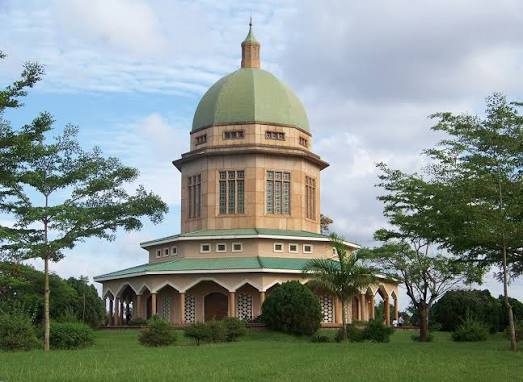
Bahai Temple Kampala, more formally the Baháʼí House of Worship in Kampala, is one of Uganda’s most peaceful and meaningful city landmarks. Set on Kikaaya Hill north of central Kampala, it is widely known as the Mother Temple of Africa because it was the first Baháʼí House of Worship on the African continent.
For travelers searching for Bahai Temple Uganda, Bahai Temple Kampala tours, Kikaaya Hill Kampala, things to do in Kampala, or Kampala cultural sites, this is not just another viewpoint or garden stop. It is a rare faith-heritage site where architecture, prayer, quiet green space, interfaith openness, and Kampala views meet in one place.
The temple works beautifully in a Kampala heritage day with the Uganda Museum, Kasubi Tombs, Ndere Cultural Centre, and Namugongo Martyrs Shrine. It also pairs well with Entebbe on arrival or departure itineraries when travelers want a calm cultural stop before or after safari.
Quick Facts About Bahai Temple Kampala
| Feature | Details |
|---|---|
| Official Name | Baháʼí House of Worship, Kampala |
| Common Name | Bahai Temple Kampala / Mother Temple of Africa |
| Location | Kikaaya Hill, north of central Kampala |
| Historic Importance | First Baháʼí House of Worship on the African continent |
| Opened / Dedicated | January 1961 |
| Design | Nine-sided domed temple designed by Charles Mason Remey, adapted to local conditions |
| Setting | Large garden property with views, paths, trees, lawns, guesthouse and administrative centre |
| Best For | Quiet reflection, architecture, gardens, city views, faith heritage, respectful Kampala touring |
Overview of the Mother Temple of Africa
The Mother Temple of Africa stands on Kikaaya Hill, a calm green rise that feels removed from Kampala’s traffic even though it remains inside the city. The site was chosen during the global development of Baháʼí Houses of Worship, and the Kampala temple became a continental landmark when it opened in January 1961.
Its architecture follows Baháʼí principles expressed through a nine-sided structure, a domed roof, and a space open to all people regardless of religion, nationality, age, gender, or background. Sources describe the green dome as tiled, the walls as using stone quarried in Uganda, and the property as a large garden setting designed for prayer, contemplation, and community life.
The temple’s story also belongs to Uganda’s broader religious landscape. Kampala is a city of churches, mosques, shrines, tombs, temples, and spiritual communities. The Baháʼí Temple adds a different voice: unity, prayer, service, simplicity, and an international faith rooted in a local hilltop setting.
Visitors should treat the site as an active place of worship, not merely a photo stop. The gardens are peaceful, but the heart of the visit is respect: quiet voices, modest behavior, sensitivity around prayer, and appreciation for a community that welcomes people without pressure.
Why Visit Bahai Temple Kampala?
A Rare Continental Landmark
Bahai Temple Kampala is historically significant because it is the first Baháʼí House of Worship in Africa. That makes it one of the most important Kampala cultural sites for travelers interested in faith, architecture, and African religious history.
Peaceful Gardens and City Views
The Kikaaya Hill gardens are one of the main reasons non-Baháʼí visitors love the site. Lawns, trees, paths, birds, and elevated views make it a quiet contrast to the busy streets of Kampala.
Architecture with Meaning
The temple’s nine-sided form is not decorative only. Baháʼí Houses of Worship are designed around unity and openness, and the Kampala temple expresses that through a circular, welcoming, domed building rather than a fortress-like structure.
Easy Kampala Heritage Pairing
The temple pairs well with the Uganda Museum for national history, Kasubi Tombs for Buganda royal heritage, Ndere Cultural Centre for performance, and Namugongo for Christian pilgrimage history.
Top Things to Do at Bahai Temple Kampala
Visit the House of Worship
Enter quietly, observe the architecture, and take time to understand the purpose of the building. If prayers or devotionals are taking place, follow the guidance of caretakers and avoid disruptive movement or photography.
Walk the Gardens
The grounds are a major part of the experience. Walk slowly through the gardens, enjoy the shade, listen for birds, and look across Kampala from the hilltop setting.
Learn the Baháʼí Story in Uganda
Ask respectfully about the temple’s history: construction beginning in the late 1950s, dedication in 1961, and the early growth of the Baháʼí community in Uganda. A guide or caretaker can often add context if available.
Use It as a Calm Kampala Stop
The temple is ideal for travelers who want a quiet break during a city tour. It can balance busier stops like markets, museums, traffic-heavy viewpoints, or performance evenings.
See things to do at Bahai Temple Kampala
Architecture, Gardens and Faith Heritage
The Baháʼí House of Worship in Kampala was designed by Charles Mason Remey and adapted for the Ugandan site. The structure is commonly described as more than 130 feet high, with a green dome, nine sides, colored glass, and materials sourced from several countries alongside Ugandan stone and timber.
The garden setting matters because Baháʼí worship is linked with beauty, serenity, and service. The grounds are not just landscaping around a building; they help create the atmosphere of openness and reflection.
Sunday devotional gatherings are part of the living use of the site. Visitors should confirm current times locally, especially if they want to attend respectfully rather than simply tour the grounds.
Explore Bahai Temple gardens and heritage context
Best Time to Visit Bahai Temple Kampala
The temple can be visited year-round. Dry months make garden walks easier, while rainy periods can make the grounds greener and softer for photography. Kampala weather can change quickly, so carry a light rain layer.
Morning visits are best for quiet, cooler temperatures, and softer light. Late afternoon can also be beautiful for views, though traffic returning across Kampala should be considered.
If you hope to attend a devotional program, confirm current Sunday or special service times before planning the day.
Check the best time to visit Bahai Temple Kampala
How to Get to Bahai Temple Kampala
The temple is on Kikaaya Hill, north of central Kampala. It is easiest to visit by private vehicle, taxi, or guided city tour because Kampala traffic and navigation can be confusing for first-time visitors.
Travel time depends heavily on where you start. From central Kampala, allow extra time for traffic. From Entebbe, pair the visit with other northern or central Kampala stops rather than attempting too many attractions in one day.
Read how to get to Bahai Temple Kampala
How the Temple Fits into Kampala Itineraries
Kampala Heritage Day
Combine Bahai Temple Kampala with the Uganda Museum, Kasubi Tombs, and a city viewpoint for a balanced introduction to faith, history, culture, and urban geography.
Quiet Morning Before Ndere
Visit the temple in the morning or afternoon, then end the day with Ndere Cultural Centre for music, dance, food, and storytelling.
Arrival or Departure Soft Landing
For travelers coming from Entebbe, the temple can be a calm first or last Kampala stop when flight timing allows.
Faith, Culture and City Balance
The best Kampala tours do not rush from one monument to another without context. Bahai Temple Kampala works well when the day has a clear theme: faith and reflection, Buganda heritage, national history, performance, or arrival-day orientation. For example, a faith-focused route might connect the temple with Namugongo Martyrs Shrine, while a broader heritage day might add Uganda Museum and Kasubi Tombs. This helps the visit feel thoughtful instead of squeezed into traffic gaps.
Build Bahai Temple Kampala into a Uganda safari route
Where to Stay for Bahai Temple Kampala
Most travelers visit from Kampala hotels in Kololo, Nakasero, Naguru, Ntinda, Bukoto, or other city areas depending on budget and traffic tolerance. The best hotel choice depends on your wider Kampala plan.
If the temple is part of an Entebbe transfer day, avoid overloading the schedule. Kampala traffic can turn a simple city tour into a rushed day if too many stops are included.
Compare where to stay for Bahai Temple Kampala
Responsible Visitor Etiquette
This is an active sacred space. Dress respectfully, speak quietly, follow caretaker instructions, avoid intrusive photography, and do not treat worshippers as tourist subjects.
- Confirm opening and devotional times before visiting.
- Keep voices low inside and near the House of Worship.
- Ask before photographing people, services, or restricted areas.
- Walk gently through the gardens and avoid littering.
- Use the visit for reflection, not only photos.
- Combine with nearby Kampala cultural sites for a fuller day.
- Allow traffic buffers when planning onward transfers.
- Respect that the site is open to all, but still sacred.
Read Bahai Temple Kampala travel tips
Bahai Temple Kampala FAQs
- Is Bahai Temple Kampala worth visiting?
-
Yes. Bahai Temple Kampala is worth visiting for its peaceful gardens, hilltop views, unique architecture, and importance as the first Baháʼí House of Worship in Africa.
- Where is Bahai Temple Kampala located?
-
The temple is on Kikaaya Hill, north of central Kampala. It is best reached by private vehicle, taxi, or guided city tour because Kampala traffic and navigation can be challenging.
- Why is the Bahai Temple in Kampala important?
-
It is known as the Mother Temple of Africa because it was the first Baháʼí House of Worship on the continent. It opened in January 1961 and remains an active sacred space open to all people.
- Can non-Baháʼí visitors enter the temple?
-
Yes. Baháʼí Houses of Worship are open to people of all religious backgrounds. Visitors should enter quietly, dress respectfully, and follow any instructions from caretakers.
- What can I do at Bahai Temple Kampala?
-
You can visit the House of Worship, walk through the gardens, enjoy views from Kikaaya Hill, learn about Baháʼí faith heritage, and include the temple in a wider Kampala cultural tour.
- How long do I need at Bahai Temple Kampala?
-
Most visitors need 45 minutes to 1.5 hours depending on whether they only walk the gardens or also spend time learning about the temple and attending a devotional program.
- When is the best time to visit Bahai Temple Kampala?
-
Morning and late afternoon are usually best for cooler weather, softer light, and a quieter experience. Confirm current devotional times if you want to attend respectfully.
- What should I wear or avoid?
-
Wear modest, comfortable clothing. Avoid loud behavior, intrusive photography, littering, or treating worshippers as tourist subjects. The site is peaceful and sacred even when visited as part of a city tour.
Nearby Destinations to Combine with Bahai Temple Kampala
Bahai Temple Kampala combines naturally with Kampala, Uganda Museum, Kasubi Tombs, Ndere Cultural Centre, Namugongo Martyrs Shrine, and Entebbe. Together they create a strong Kampala cultural tour with faith, history, performance, gardens, and city context.
Uganda Museum
A logical nearby pairing for Bahai Temple Kampala in a custom Uganda itinerary.
Ndere Cultural Centre
A logical nearby pairing for Bahai Temple Kampala in a custom Uganda itinerary.
Kasubi Tombs
A logical nearby pairing for Bahai Temple Kampala in a custom Uganda itinerary.
Namugongo Martyrs Shrine
A logical nearby pairing for Bahai Temple Kampala in a custom Uganda itinerary.
Nearby destinations to combine
Plan Your Bahai Temple Kampala Visit
Bahai Temple Kampala is ideal for travelers who want a quiet, beautiful, meaningful Kampala stop. It adds architecture, gardens, faith heritage, and reflection to a Uganda safari that might otherwise move too quickly from airport to wildlife park.
Our team can include the temple in a Kampala city tour, an Entebbe arrival day, a faith-heritage itinerary, or a relaxed pre-safari cultural plan.