Wildlife in the Kigezi Highlands
Dual gorilla park strategy
Some itineraries trek Bwindi and Mgahinga on separate permits — allows golden monkey and volcano context beyond single-park focus.
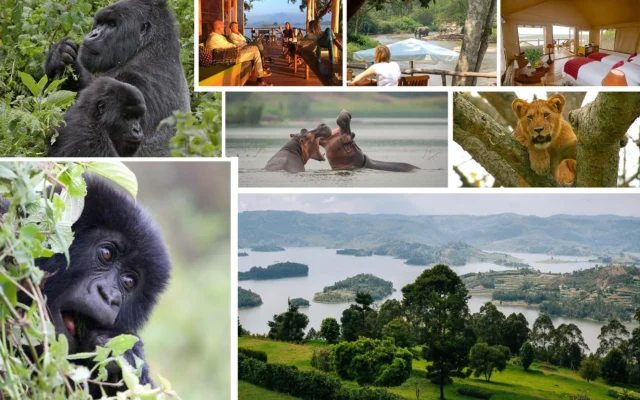
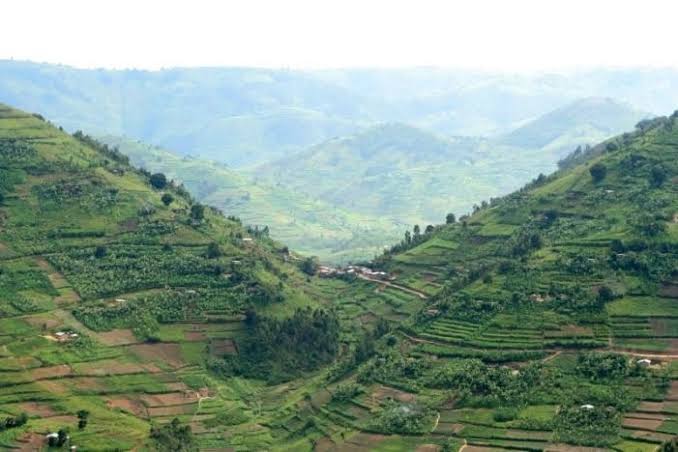
The Kigezi Highlands span Kabale, Kisoro, Kanungu, Rubanda, Rukiga, and Rukungiri districts — terraced hills, volcanic lakes, and montane forest corridors linking Bwindi Impenetrable National Park and Mgahinga Gorilla National Park with Lake Bunyonyi and Lake Mutanda. Wildlife here is not savannah checklist viewing. It is rainforest trekking, lake-edge birding, golden monkey tracking, and the globally significant mountain gorilla populations that draw travelers from every continent.
Mountain gorillas: Bwindi and Mgahinga
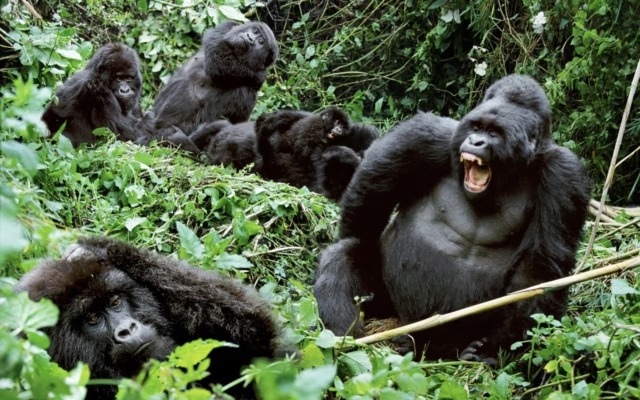
Most Kigezi wildlife itineraries center on mountain gorilla trekking in Bwindi's multiple sectors or Mgahinga's smaller forest-volcano setting. Permits, briefing points, and lodge locations must align — a Kabale or Kisoro hotel label alone does not place you at the correct gate. Bwindi holds roughly half the world's mountain gorillas across steep, misty forest; Mgahinga adds Virunga volcano backdrop and often pairs with golden monkey tracking.
Gorilla encounters are regulated, brief, and physically demanding — muddy slopes, stinging nettle edges, and altitude between roughly 1,160 and 2,607 metres in Bwindi's range. The reward is proximity to a habituated family in wild forest — unlike any savannah drive in Queen Elizabeth National Park.
Golden monkeys and forest primates
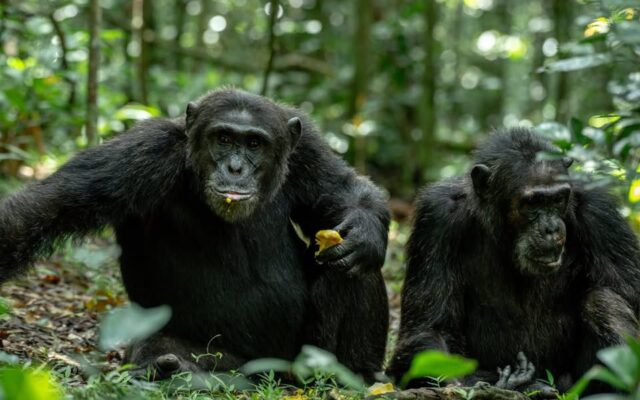
Mgahinga Gorilla National Park offers golden monkey tracking in bamboo zones — a lighter, faster primate experience than gorilla trekking, valuable for mixed primate itineraries. Forest edges around Echuya Forest and Bwindi margins hold blue monkey, L'Hoest's monkey, black-and-white colobus, and baboon troops visible from road or lodge clearings with luck.
Birds and Albertine Rift specialists
Kigezi forests support Albertine Rift endemics and specials — turacos, hornbills, robins, sunbirds, and rarities sought on dedicated birding routes. Lake Bunyonyi and Lake Mutanda add wetland and open-water species: kingfishers, weavers, herons, and seasonal migrants. See Kigezi bird watching for list-building detail.
Lake ecology and smaller life
Bunyonyi — among Africa's deepest lakes — and Mutanda with Virunga views support fish eagles, otters occasionally reported, frogs, and rich insect life along shores. Lakes are not hippo-and-crocodile savannah water — swimming and canoe culture reflect different ecology from Queen Elizabeth's Kazinga Channel. Terraced farmland between forests holds rodents, raptors, and garden birds that reward slow road travel.
Conservation across a lived-in landscape
Kigezi is densely farmed. Wildlife persists in protected forests and corridors because tourism revenue, UWA protection, and community programs align — gorilla trekking fees fund local development when systems work transparently. Travelers should choose operators who respect porter welfare, photography rules at gorilla encounters, and community benefit on cultural visits.
Forest elephant and duiker encounters
Forest elephants occasionally move through Bwindi corridors — encounters are brief and regulated like gorilla rules demand distance. Duiker and other small antelope flash across trail edges; guides identify species by track and droppings when views are fleeting.
Batwa, Bakiga, and highland farming communities
Kigezi cultural depth extends beyond gorilla gates — Bakiga farming traditions, market rhythms in Kabale, and Batwa heritage experiences near forest parks add human context when arranged respectfully. Photography and payment protocols mirror gorilla etiquette: consent first, fair compensation through agreed channels.
Mgahinga volcano wildlife context
Mgahinga's smaller forest connects to Virunga ecosystems — golden monkeys and occasional buffalo at forest edge differ from Bwindi's deep interior gorilla habitat. Volcano hikes add altitude specialists and raptor views above bamboo zones.
Lake shore mammals and reptiles
Lakes host otter reports and varied frog communities — not megafauna but part of highland ecology walks with local guides. Terraced farm edges hold mongoose and small carnivores visible at dusk near village paths.
Seasons: best time to visit Kigezi. Access: getting to Kigezi. Birding: bird watching. Main hub: Kigezi Highlands guide.
Forest elephant awareness on trails
Forest elephants rarely intersect gorilla paths but guides maintain safety protocols — follow ranger instructions without exception on Bwindi treks.
Gorilla viewing distance rules protect both travelers and families — never attempt closer approach when rangers hold position.