Kigezi Highlands — questions travelers ask before booking
Echuya Forest add-on worth
Worth half day for birders and hikers between Bunyonyi and Mgahinga when schedule allows — skip only on tightest gorilla-only fly-in loops.
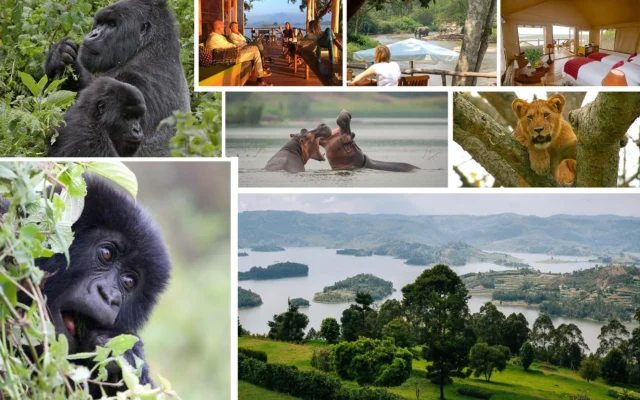
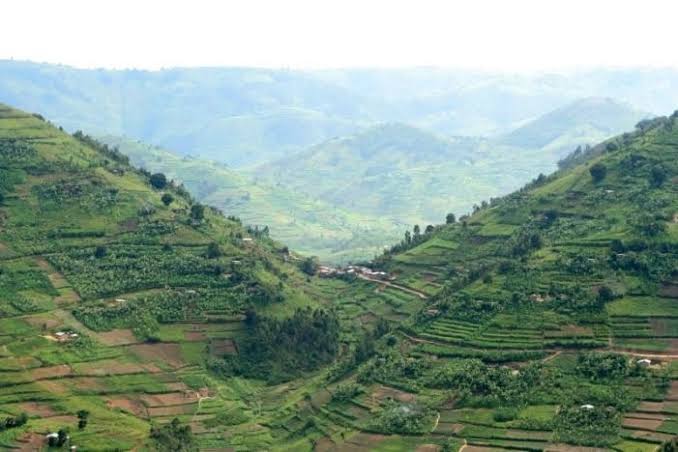
The Kigezi Highlands are southwestern Uganda's scenic backbone — terraced hills, Lake Bunyonyi, Lake Mutanda, Bwindi, Mgahinga, and towns Kabale and Kisoro — not a single park boundary. Treating Kigezi as a regional chapter improves itineraries that otherwise rush gate-to-gate without context.
Detail pages: wildlife, bird watching, best time to visit, getting there.
Gorillas, sectors, and permits
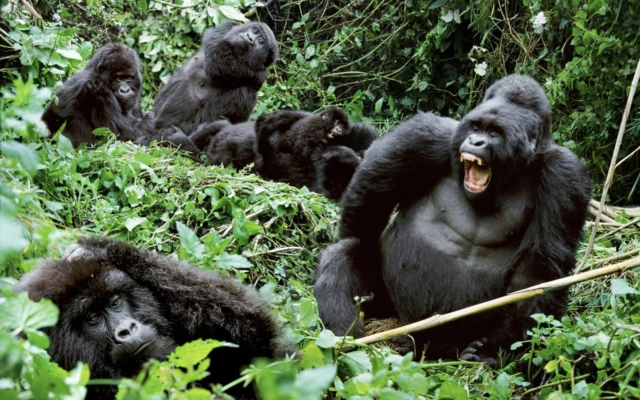
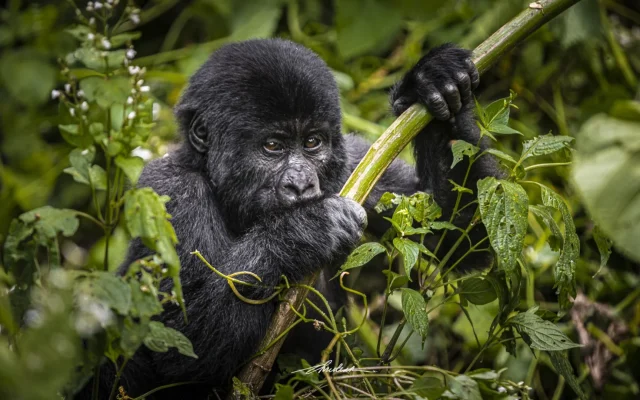
Mountain gorilla permits determine Bwindi briefing sector — north, central (Buhoma/Ruhija), or south (Nkuringo/Rushaga) — each with different access roads from highland bases. Mgahinga uses Kisoro-area logistics. Book permits months ahead for dry-season peaks; match lodge before paying deposits.
Lake Bunyonyi vs Lake Mutanda
Bunyonyi near Kabale suits relaxation, canoeing, and post-trek recovery with island scenery. Mutanda near Kisoro suits Virunga views and Mgahinga or southern Bwindi routing. Many itineraries use one lake night minimum; two lakes need extra days and slow Kabale–Kisoro driving.
Days, fitness, and combinations
Allow at least three nights for gorilla trekking plus one lake recovery — more if adding golden monkeys, Echuya Forest, or Queen Elizabeth linkage. Gorilla treks demand hiking fitness; porters help on muddy days. Combine with Queen Elizabeth for savannah or Kibale for chimps on longer primate circuits.
Kigali vs Kampala entry
Kigali suits short southern Bwindi/Mgahinga loops; Kampala suits full Uganda safaris arriving via Entebbe. Border visas and timing are separate planning tasks — not afterthoughts.
Porters, tipping, and post-trek recovery
Gorilla treks allow porter hire on steep Bwindi days — arrange through official briefing points. Lake nights after trekking reduce knee and back fatigue before long drives. Tipping guides, porters, and lodge staff follows safari custom; ask operators for local norms.
Two-lake vs one-lake itineraries
Both Bunyonyi and Mutanda reward overnight stays but require extra day and Kabale–Kisoro transfer — choose one lake unless itinerary exceeds six highland nights.
Where to read next
Wildlife: Kigezi wildlife.
Birding: bird watching.
Seasons: best time for Kigezi.
Access: how to get to Kigezi.
Main Kigezi Highlands destination guide.
Currency and mobile money
Cash helps for porters and community tips; major lodges accept cards but village purchases expect mobile money or shillings — stock up in Kabale or Kisoro towns.
Altitude sickness risk
Severe altitude illness is uncommon at gorilla trekking elevations but steep exertion affects fitness — walk regularly before travel and hydrate on trek days.
Gorilla permits are non-transferable between travelers — names on booking must match passport exactly at briefing.
Pack neutral trekking colors — bright reds and whites are discouraged on gorilla treks though not always strictly enforced.
Combining gorillas, lakes, and wider Uganda routes
Most successful Kigezi itineraries anchor on confirmed Bwindi permit sectors, add Lake Bunyonyi recovery nights, and only then attach Queen Elizabeth or Kibale National Park if travel days remain — reversing that order often forces pre-dawn transfers that erode trek readiness and birding quality on subsequent mornings.
Porters are optional but widely used on steep Bwindi sectors — hiring locally supports community income tied to conservation tourism.