Best time to visit the Kigezi Highlands
Gorilla permit rebooking risk
Rain rarely cancels treks but mud slows groups — keep buffer day before international flights when trekking late in itinerary.
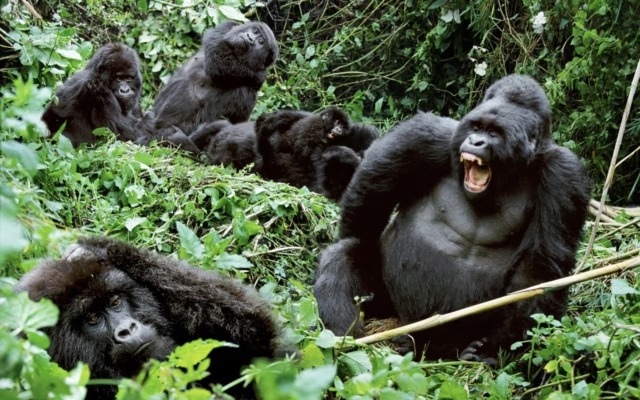
The Kigezi Highlands work year-round for determined travelers, but most gorilla and scenic itineraries target June to September and December to February when forest trails are generally drier, lake views clearer, and rural roads more predictable. These windows overlap peak permit demand at Bwindi and Mgahinga — book gorilla permits and lodge sectors together early.
Dry season advantages
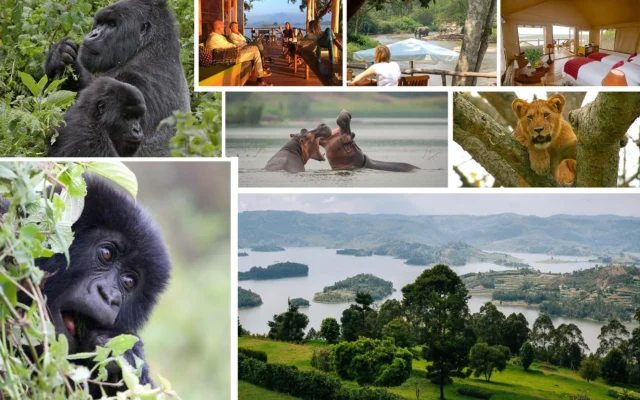
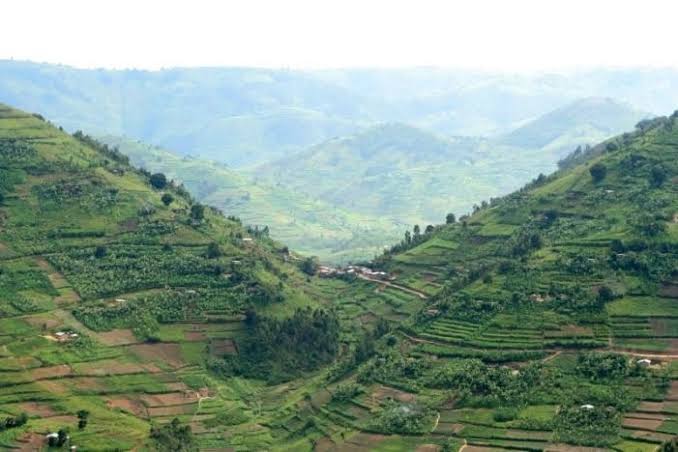
Drier months simplify gorilla trekking footing on steep Bwindi slopes, golden monkey tracking in Mgahinga bamboo, and photography on Lake Bunyonyi and Lake Mutanda. Cool mornings and misty ridges still require rain jackets — highland showers arrive without warning. Terraced road viewpoints reward slow transfers between Kabale and Kisoro.
Wet season character
Rainier periods (roughly March–May and October–November) deepen forest greens, empty some lodges, and dramatize cloud around Virunga volcanoes — excellent for atmosphere if you accept mud, slippery trails, and flexible schedules. Gorilla trekking continues; porters become more valuable. Stack demanding treks with lake recovery days rather than long drives to Queen Elizabeth on consecutive muddy mornings.
Altitude and packing
Temperatures run cooler than Kampala or Queen Elizabeth — warm layers for dawn briefings, waterproof boots year-round, and gloves useful in wet forest. Altitude is moderate compared with high Alps but combined with steep slopes still challenges fitness.
Month-by-month snapshot
Jan–Feb: Popular dry window; book gorilla permits early.
Mar–May: Rainier; lush; muddy treks; quieter lodges.
Jun–Aug: Peak travel; best general trekking comfort.
Sep: Transition; often still workable.
Oct–Nov: Second rainy peak possible.
Dec: Holiday demand; secure permits and lakeside rooms.
Mist, views, and photography windows
Mist around Bunyonyi and Mutanda lifts mid-morning some days — photographers keep flexible lake schedules rather than fixed canoe departures. Virunga views from Mutanda shorelines improve after rain clears — green season has trade-offs for volcano panoramas.
Permit clusters and holiday demand
Bwindi permit sectors fill independently — Buhoma, Ruhija, Rushaga, and Nkuringo peak on different lodge patterns. December and July–August require earliest booking. Mgahinga permits add golden monkey demand on shorter Kisoro stays.
Post-gorilla lake recovery timing
Schedule lake nights immediately after trek days, not before long transfers — muscles and knees benefit from canoe-level rest before Ishasha or Queen Elizabeth drives.
Tea harvest and farm landscape seasons
Tea picking seasons add living landscape color on Fort Portal–Kabale approaches — photographers may prefer these weeks even when forest trails are muddier.
Access: getting to Kigezi. Wildlife: wildlife. Birding: bird watching.
Layering for crater-lake mornings
Bunyonyi dawn can feel cool while midday trek slopes warm — dress in layers removable after gorilla briefing.
Rwanda twinning itineraries
Volcanoes NP gorilla permits in Rwanda pair with Mgahinga or southern Bwindi on cross-border trips — book both countries before flights.
Book lake lodges before gorilla permits when traveling Christmas week — accommodation sells out faster than some Bwindi sectors.
Track crater-lake swim conditions with lodge staff — altitude and weather change quickly around afternoon storms.
Gorilla permits, sectors, and seasonal demand
Peak dry months — June through September and December through February — sell Bwindi Impenetrable National Park permits first in Buhoma, Ruhija, Rushaga, and Nkuringo sectors. Book permits before lakeside lodges because briefing gate location dictates daily drive time more than regional marketing names suggest. Wet-season trekking in March, April, or November trades mud and steeper exertion for softer lodge rates and fewer vehicles on forest tracks. Mgahinga Gorilla National Park treks follow similar demand curves with smaller daily groups — combine both parks only when your fitness and budget allow two permit days within one Kigezi week.
Lake Bunyonyi and recovery days between treks
Schedule at least one full rest day on Lake Bunyonyi after gorilla trekking regardless of season — altitude, slope mud, and emotional intensity of primate contact drain energy faster than map distances imply. Dry season favors canoe photography and island walks; wet season delivers misty crater views prized by landscape shooters willing to pack rain shells for sudden afternoon showers above the water.