Bird watching in the Kigezi Highlands
Dawn chorus on forest edges
Forest-edge dawn near lodge clearings sometimes exceeds interior midday lists — start one morning at property before entering paid park trails.
Swamp specialists at Echuya
Muchuya swamp in Echuya Forest holds swamp warblers and restricted habitat birds — allow half day when routing Kabale to Kisoro.
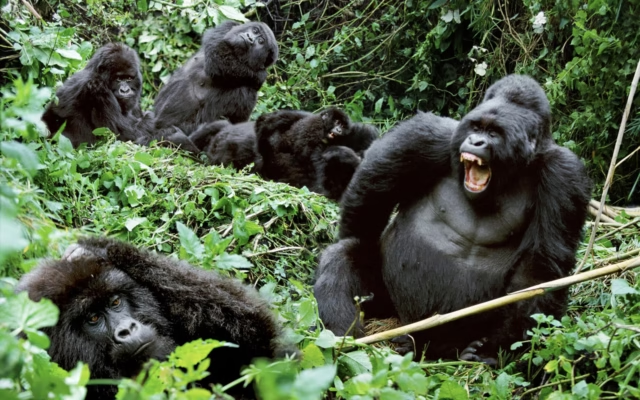
Birders treat the Kigezi Highlands as the southwestern capstone of Albertine Rift itineraries — forest endemics in Bwindi Impenetrable National Park, bamboo specialists near Mgahinga Gorilla National Park, montane swamp birds in Echuya Central Forest Reserve, and open-water species on Lake Bunyonyi and Lake Mutanda. Elevation change across short drives produces list jumps that savannah-only parks cannot match.
Bwindi forest birding
Bwindi holds 350+ species including dozens of Albertine Rift endemics — short lists on gorilla treks are incidental; dedicated birding walks with specialist guides target African green broadbill, Shelley's crimsonwing, Grauer's rush warbler, and multiple turacos and hornbills. Sector choice affects access and trail difficulty; communicate bird priorities when booking permits and lodges.
Echuya and corridor stops
Echuya between Bunyonyi and Mgahinga protects roughly 34 km² of montane forest and bamboo with Muchuya swamp — worthwhile on Kabale–Kisoro transfers when timing allows. Forest-edge stops add species without full-day Bwindi commitment.
Lake Bunyonyi and Lake Mutanda
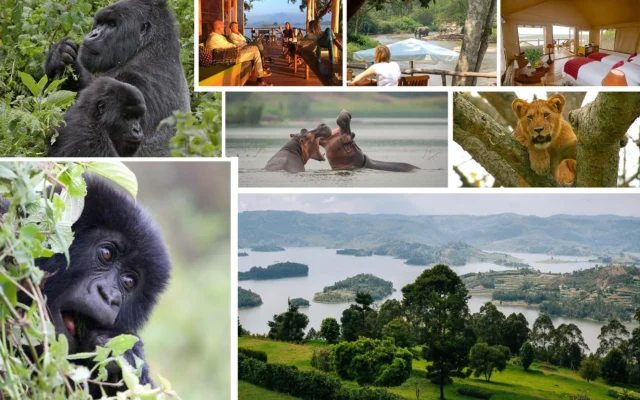
Bunyonyi's island-dotted water and Mutanda's volcano backdrop support kingfishers, herons, weavers, sunbirds, and raptors over ridges. Canoe-level viewing suits photographers and mixed-ability groups better than steep forest trails — ideal recovery birding after gorilla trekking.
Season, gear, and routing
Drier months (June–September, December–February) simplify forest trails — see best time to visit Kigezi. Rain gear and sturdy footwear are year-round essentials. Combine Kigezi with Queen Elizabeth savannah birds and Kibale forest on comprehensive Uganda lists.
Bwindi sector birding differences
Ruhija sector altitude produces different Albertine targets than Buhoma's lower trails — sector choice affects birding as much as gorilla briefing. Specialist operators sometimes book two Bwindi sectors across separate mornings for list depth.
Canoe-level birding on highland lakes
Quiet canoe mornings on Bunyonyi or Mutanda produce kingfisher and heron encounters at eye level — lower impact than motorboats for shy wetland species. Combine with ridge walks above Kisoro for raptors on thermals above terraced slopes.
Migration through highland farms
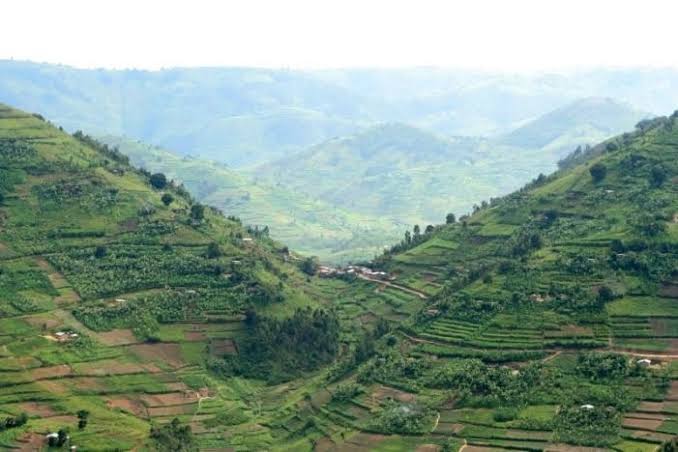
Seasonal migrants use cultivated valleys between forests — scan power lines and eucalyptus belts on Kabale–Kisoro drives. Raptors kettle above ridges on sunny afternoons after rain clears mist.
Specialist guide value in Albertine forest
Albertine Rift endemics require ear-birding skill — invest in specialist guides for Ruhija or Buhoma mornings rather than general safari drivers alone.
Wildlife context: Kigezi wildlife. Access: getting to Kigezi. Hub: Kigezi Highlands guide.
Handicap-accessible birding options
Lake Bunyonyi shore paths and some lodge clearings suit limited-mobility birders better than steep Bwindi interior — plan habitat mix accordingly.
Regional list targets
Combine Kigezi with Queen Elizabeth for savannah and Kibale for forest chimps and pitta on national tours exceeding twelve days.
Albertine Rift endemics often call at dawn — one pre-breakfast hour on lodge trails can add species missed on paid park treks.
Download regional eBird hotspots for Bunyonyi and Bwindi sectors before travel — offline lists help when lodge Wi-Fi fails.
Albertine Rift strategy for multi-habitat lists
Serious listers split mornings between Bwindi Impenetrable National Park forest edges for Albertine specialists and Lake Bunyonyi canoe margins for waterbirds and farm-border species that never appear on steep gorilla trails. Add Mgahinga Gorilla National Park bamboo zones when golden monkey treks allow incidental montane targets. On national circuits exceeding twelve days, pair Kigezi with Kibale National Park forest and Queen Elizabeth savannah so each habitat contributes distinct families rather than duplicating turaco photos across consecutive mornings.
Carry a field notebook for altitude and habitat notes — Albertine Rift splits often depend on elevation bands your phone GPS approximates poorly under forest canopy.