Best time to visit Nyungwe National Park
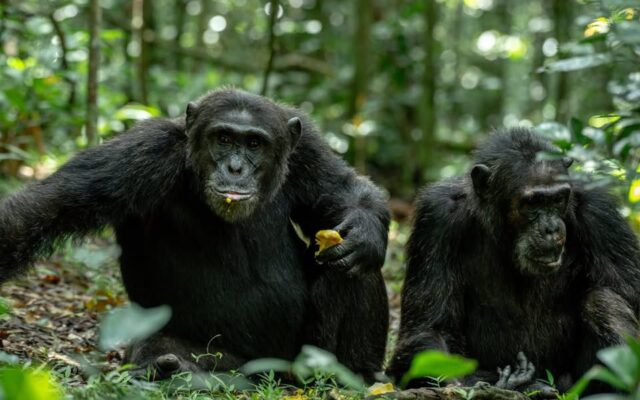
Nyungwe National Park differs from permit-scarce gorilla trekking in one important way: chimpanzee tracking operates throughout the year, and habituated communities are searched daily from Cyamudongo and main-forest briefing points. The real calendar questions are trail conditions on steep montane slopes, how crowded peak tourism weeks feel around Uwinka and Gisakura lodges, and whether your wider route includes Volcanoes National Park gorilla days or Akagera savannah drives sharing the same dry-season demand.
Dry season: popular trekking comfort
The busiest travel windows — roughly June to September and December to February — generally offer easier forest footing, lighter rain during treks, and simpler road transfers from Kigali or between Lake Kivu and forest lodges. Chimp permits, canopy walk slots, and lodge space fill earlier; book months ahead for Christmas, Easter, and European summer peaks.
Mornings remain cool under canopy even in dry months; humidity still demands lightweight long layers and rain jackets because montane showers can arrive any afternoon. Mist in valleys creates atmospheric photography — do not assume cloud-free skies even in July.
Wet season: lush forest, muddier trails
Rainier periods centered on March to May and October to November transform Nyungwe into deep green rainforest — strong for atmosphere, bird activity, and fewer visitors at times, but physically demanding on slippery slopes. Chimp treks may take longer; gaiters and walking sticks become essential rather than optional.
Photography can excel when soft cloud light filters the understorey. Albertine Rift birders sometimes prefer shoulder rainy months for vocal activity — accepting mud as trade-off. Lake Kivu boat trips remain viable between forest days when afternoon rains push activities lakeside.
Time of day and activity pairing
Chimp treks brief at dawn; afternoon slots are rare. Schedule canopy walkway visits earlier in the day when possible — wind and rain increase exposure discomfort on the suspension bridge later. Colobus monkey trekking fits well as a second-morning activity on multi-night stays.
Avoid stacking Cyamudongo chimp trekking with a long transfer from Volcanoes or eastern Akagera on the same arrival day unless timing is confirmed realistically with your operator.
Month-by-month snapshot
January–February: Drier, popular, book permits and lodges early; strong birding and chimp trekking comfort.
March–May: Long rains; lush forest, muddier treks, flexible scheduling and rain gear essential.
June–August: Peak dry-season travel; excellent trekking comfort, highest permit and lodge demand.
September: Often still workable; watch for early rains locally and shoulder pricing.
October–November: Second rainy peak possible; strong bird activity, slower western roads after heavy storms.
December: Holiday demand surges; reserve chimp and canopy permits when confirming forest lodge deposits.
Permit competition and lodge alignment
Peak-season chimp permits sell through Rwanda Development Board allocation — lodge proximity to Cyamudongo or Uwinka does not replace permit confirmation. Canopy walk tickets and colobus trekking add separate scheduling layers; book activity tiers when dates are fixed, not after lodge-only deposits.
Combining Nyungwe with gorilla permits at Volcanoes requires parallel booking in June–August and December–January — both sell out independently.
Combining weather across Rwanda
Nyungwe rainforest microclimate differs from Akagera savannah the same week — pack rain gear for forest even when eastern forecasts look dry. Lake Kivu shores may be sunnier while ridges above stay misted — layer clothing for lakeside afternoons after morning treks.
Photography seasons
Dry months simplify gear protection and trail movement; wet months deliver richer greens, mist layers, and moody forest portraits if you accept rain covers and sensor humidity management. Colobus photography tolerates overcast light better than distant chimp shots in dark understorey.
Shoulder-season value
March–May and October–November shoulder months sometimes combine lower lodge rates outside holiday weeks with strong bird activity — accept muddier treks as trade-off. Operators may offer easier chimp permit availability outside peak windows for flexible travelers.
Access routes and drive times: getting to Nyungwe. Wildlife and primate detail: Nyungwe wildlife. Birding: Nyungwe bird watching.