Nyungwe National Park — questions travelers ask before booking
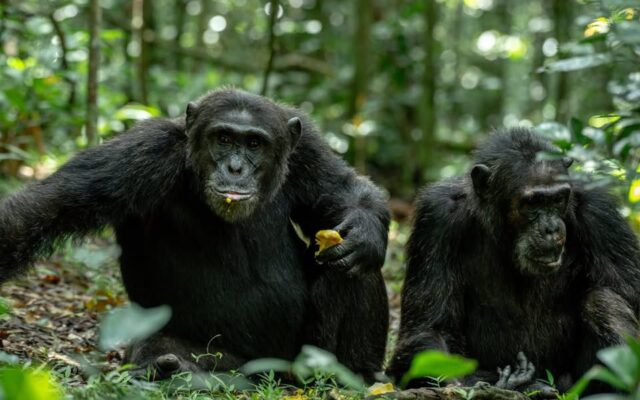
Nyungwe National Park is Rwanda's headline montane rainforest destination — roughly 1,019 km² of Albertine Rift forest with thirteen primate species, approximately 500 chimpanzees, 322+ birds, and the famous canopy walkway at Uwinka. It is not a savannah park. Expect steep forest trekking, mist, and permit logistics rather than open-game-drive simplicity like Akagera National Park.
Most itineraries allocate two nights minimum for chimp trekking, canopy walk, and colobus or birding add-ons. See best time to visit Nyungwe, getting to Nyungwe, wildlife, and bird watching for section depth.
Chimp permits and trekking reality
Standard chimpanzee trekking requires Rwanda Development Board permits booked through licensed operators — often months ahead for peak dry seasons. Briefings at Cyamudongo or main-forest centres lead into tracking that may last one to several hours on muddy, rooty slopes before regulated viewing. Success rates are generally strong thanks to habituated communities and skilled trackers, but wild forest conditions always allow occasional difficult days.
Permits are separate from gorilla permits at Volcanoes National Park; combined primate safaris need both secured on confirmed dates. Confirm current permit fees with your operator — Rwanda has adjusted conservation pricing over recent years.
Canopy walkway: heights, fitness, and timing
The Nyungwe canopy walk is a 160-metre suspension bridge section up to seventy metres above the forest floor. It requires moderate walking to reach the bridge — less strenuous than chimp trekking for most travelers — but vertigo-sensitive visitors should consider exposure honestly. Children above minimum RDB age limits may participate when accompanied; confirm current rules when booking families.
Morning slots offer softer light; combine with Uwinka forest trails rather than stacking after a long Cyamudongo chimp trek same-day unless fitness allows.
Colobus trekking and second-day activities
Rwenzori colobus monkey trekking targets habituated troops — often hundreds of individuals — for close photography and behaviour observation. It suits second forest mornings when chimps are not scheduled. Separate permits and briefing times apply.
Fitness, packing, and health
Treks involve steep forest paths, mud after rain, and occasional scrambling on wet roots. Wear waterproof hiking boots, gaiters in wet months, long trousers, long sleeves, insect repellent, and rain jacket year-round. Walking sticks help on descents. Fitness should match one to three hours of uphill walking in humid conditions at altitude.
Consult your travel clinic on malaria prophylaxis for forest-edge lodges — transmission risk differs from high-altitude Volcanoes nights. Travel insurance covering evacuation matters on remote western routes.
Where to stay and sector choice
Lodges cluster near Gisakura (Cyamudongo chimp access) and ridge properties toward Uwinka (canopy walk). Luxury options include One&Only Nyungwe House; mid-range Nyungwe Top View Hill Hotel and Gisakura Guest House serve mainstream travelers. Match lodge sector to permit locations — mismatches create punishing pre-dawn drives.
Combinations and routing
Classic pairs: Nyungwe + Lake Kivu for forest-and-lake circuits; Nyungwe + Volcanoes for chimps and gorillas; Nyungwe + Akagera on complete Rwanda safaris via Kigali. Gishwati-Mukura adds quieter forest time on western transfers.
Children, seniors, and non-trekkers
Chimp treks suit teenagers with hiking stamina; minimum ages follow RDB rules — confirm before booking families. Canopy walks may suit broader ages when heights are comfortable. Non-trekking companions can enjoy tea-estate viewpoints, shorter Uwinka trails, or Lake Kivu while others trek if vehicles and guides allow split days.
Costs and booking lead times
Total safari cost combines permits, lodge tier, private vehicle days, and guide fees — Nyungwe is not a budget day-trip from Kigali. Peak-season gorilla-and-chimp combinations require earliest possible permit holds across both parks.
Where to read next
Wildlife and primates: Nyungwe wildlife.
Birding: Nyungwe bird watching.
Seasons: best time for Nyungwe.
Access: how to get to Nyungwe.
Main Nyungwe National Park destination guide — packages, lodging overview, and nearby cards.