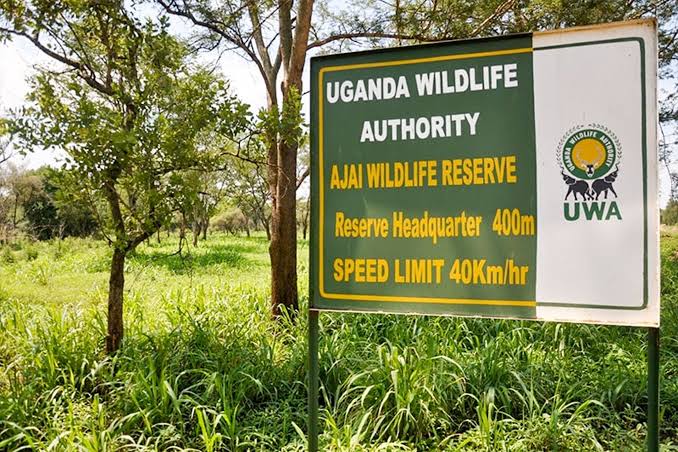
Weather and climate at Ajai Wildlife Reserve
Ajai Wildlife Reserve occupies low-lying West Nile terrain in Madi-Okollo — roughly 700–1,000 metres elevation on the western bank of the Albert Nile system. Climate here differs sharply from southwestern highland parks such as Bwindi Impenetrable National Park: hotter days, less altitude relief, and stronger influence from seasonal Nile flooding on papyrus margins and access tracks. Weather planning for Ajai is therefore a mix of national Uganda season patterns and local hydrology — what the river and swamp edges do after overnight rain often matters more than a generic month label.
Broad seasons across Uganda and West Nile
Uganda experiences two generally drier windows and two wetter periods, though climate change and local variation blur edges. Broadly, June to September and December to February tend toward drier conditions nationwide — usually simplifying rural roads from Arua toward Ogoko and Ajai. March to May and October to November often bring heavier rain, greener scenery, and greater risk of flooded low sections within the reserve.
West Nile can feel hot year-round; dry seasons trade mud for dust and intense midday sun. Rainy seasons may still produce productive mornings between showers, but build buffer time for clay tracks and shortened field windows when papyrus margins flood.
Temperature and heat
Expect warm to hot daytime temperatures typical of lowland northern Uganda — often reaching uncomfortable midday levels especially on open savannah scans. Early morning is the workable wildlife and birding window; plan dawn departures from Arua hotels rather than late starts. Evenings cool modestly but rarely require heavy layers — a light long-sleeve shirt helps against insects at dusk.
Sun exposure is serious on open drives: hat, high-SPF sunscreen, sunglasses, and adequate water are daily essentials, not optional packing.
Rainfall, flooding, and wetland dynamics
Ajai's papyrus swamp and seasonally flooded grasslands respond quickly to rain — channels rise, edges become impassable, and routes change with little warning. This hydrology defines Albert Nile-influenced habitat health and also shapes visitor access. Management documents reference community resource use of papyrus and reeds under MOU guidance; flooding seasons affect both ecology and local harvesting patterns.
After heavy rain, low-clearance vehicles struggle on rural Madi-Okollo tracks even when Arua city roads look dry. Four-wheel drive is standard advice for final legs year-round, not only in wet months.
Humidity, insects, and health climate
Lowland Nile margins carry higher malaria exposure than cool highland trekking zones. Mosquito activity increases around dusk and near stagnant water edges — repellent, long sleeves in evening, and prophylaxis discussed with a travel clinic belong in climate planning as much as rain jackets. Tsetse flies occur in some Ugandan savannah–woodland habitats; neutral clothing and vehicle windows help during drives.
Month-by-month climate snapshot for Ajai field days
January–February: Often drier; hot midday; good early-morning field conditions when roads cooperate.
March–May: Rainier; lush wetlands; expect route changes and flexible scheduling.
June–August: Drier peak travel season; dust and heat; book Arua accommodation ahead.
September: Transition month; locally variable rain.
October–November: Second rainy peak possible; strong bird activity between showers; confirm access daily.
December: Holiday travel demand; hot mornings essential for Ajai outings.
Climate vs best time to visit
Our best time to visit Ajai page focuses on itinerary logistics and road practicality; this page emphasises physical conditions — heat, rain bursts, flooding, and packing. Rhino restoration access may add administrative timing constraints independent of weather — confirm UWA guidance in all seasons.
What to pack for Ajai weather
Light breathable clothing, rain jacket or poncho in wet months, waterproof bag for electronics, sturdy closed shoes that tolerate mud, hat, sunscreen, insect repellent, refillable water bottles, and a dry bag for camera gear on wetland approaches. Neutral colours suit savannah scanning; avoid bright blues that attract some biting flies in Ugandan bush country.
For travel health in hot lowland context, see safety and travel health at Ajai and travel tips for Ajai.