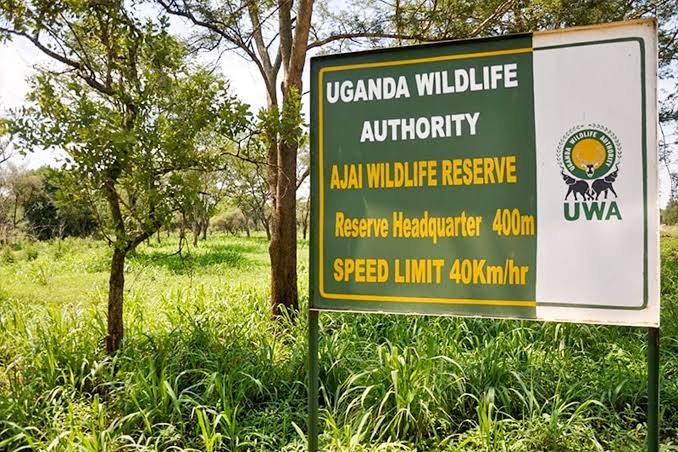
Top things to do at Ajai Wildlife Reserve
Ajai Wildlife Reserve is not a checklist safari park with marked loops and guaranteed lion sightings. It is a small protected area — commonly cited around 166 square kilometres in Madi-Okollo, roughly 52 kilometres southeast of Arua on the western bank of the Albert Nile system — where the most meaningful activities are conservation interpretation, wetland exploration, birding, and understanding how West Nile communities live beside recovering wildlife habitat. Travelers who reach Ajai expecting Murchison Falls National Park density should reset expectations before leaving Arua; those who arrive curious about Uganda rhino history often find Ajai among the most honest stops on a northern Uganda route.
Learn the rhino conservation story
The single most important Ajai activity is understanding rhinos in context. Northern white rhinos once ranged across West Nile and Madi country west of the Nile. King Ajai, the Madi paramount chief, cooperated with early colonial protection efforts — Ajai Island and the historic sanctuary declared in 1937 anchor that narrative. By the 1970s an estimated 32 rhinos remained; poaching, civil conflict, and weak protection emptied the landscape by the late 1970s, with surviving animals transferred toward Ziwa Rhino Sanctuary by the early 1980s.
Recent restoration reporting describes Uganda Wildlife Authority beginning a phased return of southern white rhinos from Ziwa — a living project, not yet a standard public tracking product. A good guide explains how Ajai differs from Ziwa: Ziwa as established breeding and walking site, Ajai as the landscape rhinos historically occupied and may reoccupy at scale. Treat any rhino-related visit as sensitive — confirm UWA protocols, monitoring needs, and security briefings before building an itinerary around rhinos.
Guided wildlife drives and habitat scanning
Ajai's wooded savannah, seasonally flooded grassland, and papyrus margins hold mammals including Uganda kob, oribi, bushbuck, warthog, bushpig, baboons, vervet and black-and-white colobus monkeys, and duikers in thicker cover. UWA ground counts documented modest recovery in dominant medium-sized species between 2010 and 2015 — real but quiet compared with Murchison game tracks.
Vehicle-based scanning with a West Nile guide who knows recent water points and woodland edges beats a rigid game-drive script. Early starts help in hot lowland weather; late-afternoon light can suit photography when access routes remain open. See our Ajai wildlife and conservation page for species detail and realistic expectations.
Bird watching and wetland edge walks
Ajai's papyrus swamp, Nile-influenced lowlands, and savannah–woodland interface reward patient birders on specialist West Nile routes. Kingfishers, herons, egrets, weavers, rollers, hornbills, and raptors use the habitat mosaic; papyrus-edge specialists may appear where beds remain intact after seasonal flooding. Ajai is not Mabamba Swamp — no standard shoebill canoe circuit — but it adds Albert Nile habitat diversity when you are already committed to northwestern Uganda.
Allow a half day minimum for dedicated birding; combine vehicle scanning with short walks on agreed paths when water levels permit. Binoculars, sun protection, and insect repellent are essential. Full habitat notes sit on our bird watching at Ajai page.
Madi heritage and Ajai Island context
Wildlife tourism at Ajai improves with Madi cultural context. The reserve name connects to King Ajai and Ajai Island, where local authority intersected with early protection long before modern park branding. Theodore Roosevelt's 1910 expedition through the region is part of wider hunting history that later conservation efforts tried to reverse. A thoughtful visit weaves science with community memory — what was lost, why rhinos mattered to West Nile identity (including historic references such as Arua's White Rhino Hotel), and what restoration means for farmers and fishers beside the reserve.
Combine reserve field time with market or community stops organized through Arua guides. Ask before photographing people, workshops, or ceremonies. Tourism that employs West Nile naturalists and pays fairly for cultural interpretation supports the same trust conservation needs on the ground.
Community conservation and resource-use agreements
Ajai survives in a lived-in landscape. UWA has signed memoranda with neighbouring communities allowing sustainable use of papyrus, reeds, firewood, thatching grass, and building poles under guided management — Class F wildlife user rights under Uganda's wildlife framework. Understanding these agreements explains why Ajai is not isolated wilderness: protection and livelihood negotiation happen every season.
Visitors interested in community conservation can discuss volunteer history, beekeeping groups, and how ground counts helped rebuild management credibility after decades of poaching pressure in the 1970s and 1980s. This is specialist travel — not a polished community-tourism product like some southwestern Uganda circuits, but deeply relevant for conservation donors and repeat visitors.
Albert Nile landscape and scenic orientation
Ajai sits in the wider Albert Nile wildlife story where tributaries such as the Acha and Ala meet the main river channel. Seasonal flooding reshapes which margins are walkable or viewable from tracks; low elevation — roughly 700–1,000 metres — keeps the reserve hot and visually distinct from highland parks. Scanning wetland edges at dawn often produces the day's best bird and mammal activity before West Nile heat builds.
Photographers should prioritise habitat texture — papyrus, flooded grassland, scattered woodland — over expecting close predator encounters. Respect distance at nests and roosts; never pressure staff for closer rhino or leopard access.
Combine with Murchison Falls and West Nile towns
The most practical pairing is classic wildlife first, Ajai second: Murchison Falls for elephants, lions, boat safari, and waterfall drama, then west through Pakwach toward Nebbi, Arua, and Ajai for conservation depth. Same-day jumps from Murchison game drives to Ajai field work are possible only with aggressive driving and are rarely enjoyable — overnight in Nebbi or Arua improves dawn starts.
A rhino conservation route pairs Ziwa Rhino Sanctuary near the Kampala–Murchison road with Ajai days later as the West Nile restoration chapter. Lake Albert Region viewpoints add scenic context between Pakwach and Nebbi.
Planning a purposeful half-day or full day
Confirm Ajai access, security, and UWA procedures before departure. Book a West Nile guide who validates road condition the day before travel. Carry water, snacks, sun protection, fuel margin, and cash for rural services. Most meaningful visits need at least a half day of field time plus driving from Arua — one overnight in Arua before and after improves pacing.
For seasons and roads see best time to visit Ajai; for routing see getting to Ajai Wildlife Reserve; for lodging bases see where to stay for Ajai.