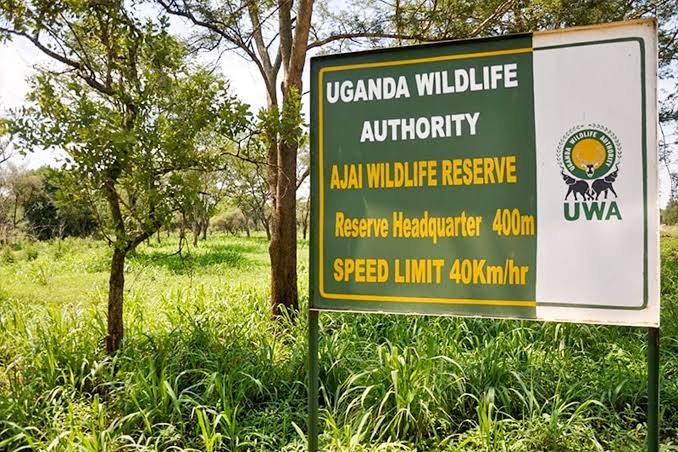
Safety and travel health at Ajai Wildlife Reserve
Uganda remains a popular safari destination, and Ajai Wildlife Reserve is visitable for well-prepared travelers with licensed operators — but Ajai adds rural West Nile variables that flagship parks smooth over with gates, ranger posts, and lodge medical kits. Safety planning covers malaria in hot lowland Nile habitat, vehicle reliability on Ogoko tracks, security briefings for northwestern routing, and respectful compliance with UWA and community access rules — especially as rhino restoration increases sensitivity.
General security and West Nile context
West Nile is a lived-in border region adjacent to DR Congo and South Sudan trade corridors. Everyday travel through Arua, Nebbi, and Pakwach on established safari routes is common for organized visitors. Ajai visits should use operators who check current local guidance before each field day — not independent wandering based on old maps. Share itinerary details with your operator and embassy registration systems if your government recommends it for Uganda travel.
Avoid driving rural tracks after dark; plan Ajai returns to Arua before nightfall when possible. Keep vehicle doors locked in city traffic; secure valuables in hotel safes.
Reserve access and UWA rules
Ajai is managed under the Murchison Falls Conservation Area framework with Uganda Wildlife Authority oversight. Access may require clearance, community coordination, and seasonal route limits — especially near wetland margins and any rhino monitoring zones. Follow guide instructions on route boundaries; off-road driving damages fragile habitat and erodes community trust built through MOU-based resource management.
Wildlife distance rules apply even when animals seem habituated — baboons near vehicles can bite; antelope stress if chased for photos. No guaranteed rhino viewing means no justification for pushing into restricted areas.
Malaria and lowland health risks
Ajai's 700–1,000 metre Albert Nile-influenced habitat carries higher malaria exposure than cool highland gorilla zones. Discuss prophylaxis with a travel clinic before departure; use repellent, long sleeves at dusk, and sleep under treated nets in Arua hotels. Carry personal medications, rehydration salts, and a basic first-aid kit — rural legs may be hours from pharmacy stock.
Tsetse flies occur in some Ugandan woodland–savannah interfaces; avoid bright blue clothing and use vehicle ventilation strategies guides recommend. Snakes exist in wetland edges — watch foot placement on agreed walks; do not reach into thick grass.
Vehicle and road safety
Rural Madi-Okollo tracks vary from passable dry-season dirt to mud that stops low-clearance vehicles after rain. Seatbelts, tired-driver avoidance, and daylight driving reduce risk. Ensure spare tyre, jack, and fuel margin — petrol stations thin out beyond Arua suburbs. Travel insurance with medical evacuation cover is strongly recommended for remote northern itineraries.
Water, food, and hygiene
Drink bottled or treated water on field days; carry sufficient supply from Arua. Eat hot cooked food in reputable Arua restaurants; peel fruit when hygiene is uncertain. Hand sanitiser helps before packed lunches on reserve outings. Sunstroke prevention — hat, water, shade breaks — is a safety issue in open savannah heat.
Rhino restoration and visitor safety
Phased rhino returns from Ziwa Rhino Sanctuary introduce large, potentially dangerous animals under strict monitoring. If viewing opens further, UWA protocols will govern distance, vehicle use, and group size — identical discipline to Ziwa foot tracking. Never approach rhinos on foot without authorized guides and explicit clearance. Restoration security may include fencing or patrol intensification — respect all barriers and staff instructions.
Medical facilities and emergencies
Arua has regional hospitals and clinics — the first line for non-critical illness. Serious trauma or evacuation may require transfer to Kampala or international facilities; confirm insurance covers air ambulance. Carry passport copies, allergy information, and blood type card if applicable. Satellite phone or operator emergency contact matters on low-signal rural legs.
Wildlife-related health notes
Primates and mammals can carry diseases transmissible to humans — avoid feeding baboons, never eat bush meat, and report bites immediately for medical assessment. Bird nesting sites should be disturbed minimally to reduce stress and disease jump risks at colonies.
Pre-trip safety checklist
Vaccinations per travel clinic advice (often including yellow fever certificate for entry); malaria plan; travel insurance with evacuation; registered operator with West Nile experience; shared itinerary; charged phone; cash backup; UWA-compliant packing; rhino protocol confirmation if applicable; no night driving on final Ajai tracks.
Practical tips: travel tips for Ajai. Access: getting to Ajai Wildlife Reserve. Seasons: weather and climate at Ajai.