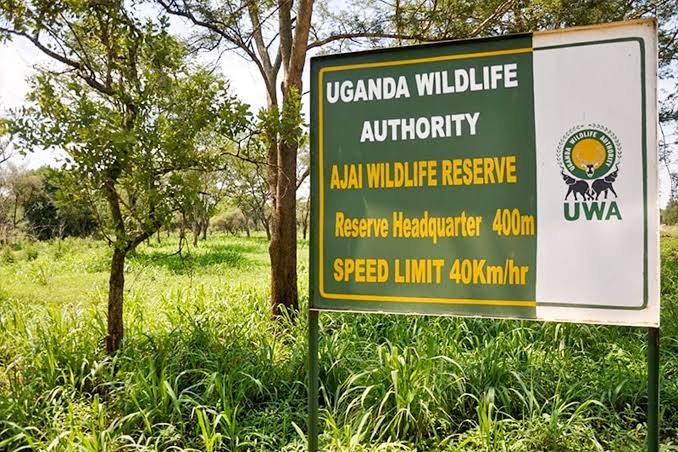
Travel tips for Ajai Wildlife Reserve
Visiting Ajai Wildlife Reserve rewards preparation and honest expectations. Unlike Murchison Falls National Park or Bwindi Impenetrable National Park, Ajai lacks marked gates, lodge clusters, and permit-driven booking systems. Most failures come from treating it like a mainstream park — arriving without confirmed access, without a West Nile guide, or expecting guaranteed rhino and big-game sightings. These tips translate hub planning into on-the-ground discipline.
Confirm access before you travel
Call or email a licensed operator with West Nile experience and verify Ajai status for your exact dates — security briefings, UWA procedures, road condition, and whether rhino-related visits are permitted. Do not rely on outdated blog posts or generic Uganda guidebooks. Restrictions for monitoring or community sensitivity should be accepted without argument; conservation comes before photography.
Hire a West Nile guide and 4×4
Final rural legs to Ogoko and reserve margins require high-clearance 4×4 and a driver-guide who knows current routes. Saloon cars from Arua tarmac often fail after rain. Guides add interpretation — rhino history, Madi heritage, species identification — that justifies the detour. Budget travelers still need this pairing; public transport reaches Arua, not Ajai.
Reset wildlife expectations
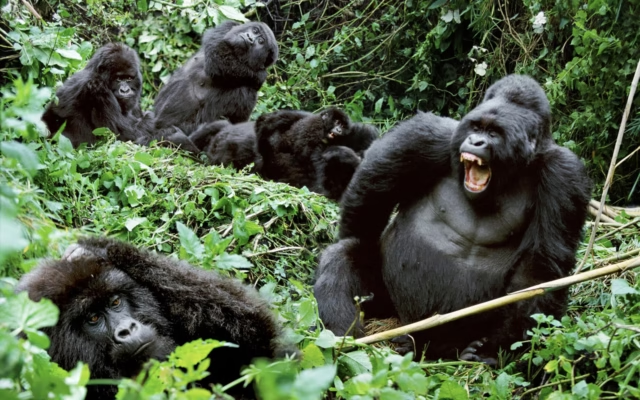
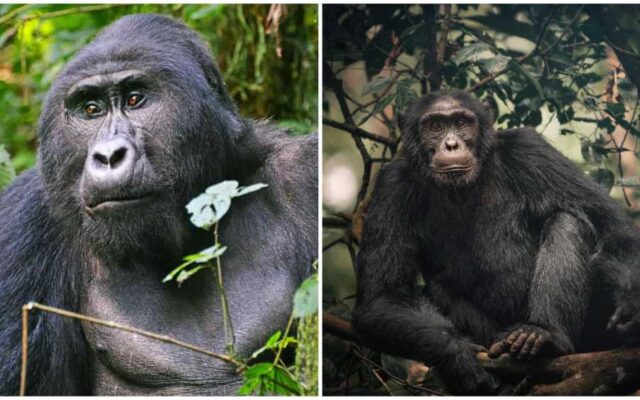
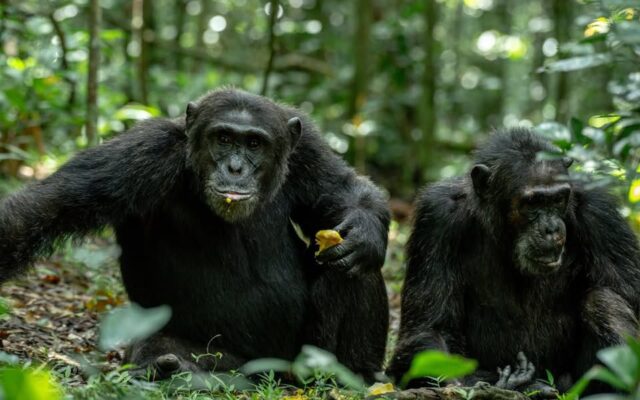
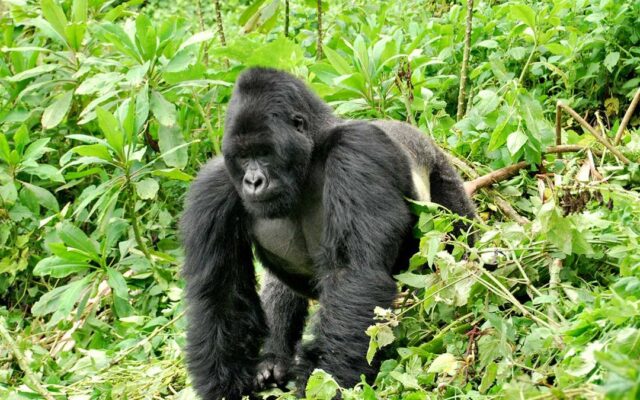
Ajai holds real mammals and strong bird habitat, but sightings are quiet compared with Murchison. Uganda kob, oribi, bushbuck, warthog, primates, and wetland species are possible — not predictable on a short visit. Leopard and hippo appear in landscape reports without tourism guarantees. If your group needs lion and elephant density, prioritize Murchison first and Ajai second for conservation depth.
Rhino restoration etiquette
Ajai is central to Uganda's rhino return narrative — phased translocations from Ziwa Rhino Sanctuary are sensitive operational work. Do not pressure staff for closer access, off-route driving, or drone flights unless explicitly permitted. For active rhino tracking today, Ziwa remains the standard product; Ajai is the historic landscape and future restoration site. Verify rules before marketing a rhino-focused trip to clients or friends.
Timing: dawn beats calendar month
West Nile heat makes early morning the primary field window. Depart Arua at first light when security allows; use midday for travel toward Nebbi or Pakwach rather than swamp-edge walks. See best time to visit Ajai for seasonal road notes.
Packing list essentials
Binoculars, sun hat, sunscreen, insect repellent, refillable water, snacks, neutral clothing, light rain layer in wet months, sturdy shoes tolerating mud, dry bag for electronics, cash for fuel and rural purchases, photocopies of passport and travel insurance. Camera telephoto helps for birds and distant antelope — respect nest and roost distance.
Money and connectivity
ATMs exist in Arua; carry cash backup for rural legs where card acceptance is rare. Mobile money is widely used locally. SIM data works in Arua with variable rural coverage toward the reserve — download offline maps and share your route plan with your operator before losing signal.
Cultural respect in Madi-Okollo
Ask before photographing people, markets, or ceremonies. Ajai's story includes King Ajai, Ajai Island, and community MOUs for papyrus and resource use — listen as much as you look. Choose operators that employ West Nile naturalists fairly and explain fee flows to communities when asked.
Itinerary shape that works
Strong pattern: Ziwa Rhino Sanctuary (optional) → Murchison wildlife nights → Pakwach → Nebbi → Arua → Ajai field day → continue or return. Avoid same-day Murchison-to-Ajai marathon drives. Allow buffer for rural delays — Ajai rewards slack in the schedule.
Responsible behaviour on the ground
Stay on agreed routes; avoid off-road driving in fragile wetlands; never litter; do not collect plants or disturb nests; follow UWA and community guide instructions. Tourism should reinforce trust built since ground counts and MOU signing helped recovery from 1970s–1980s poaching collapse.
More detail: getting to Ajai Wildlife Reserve, where to stay for Ajai, safety and travel health at Ajai, and Ajai wildlife and conservation.