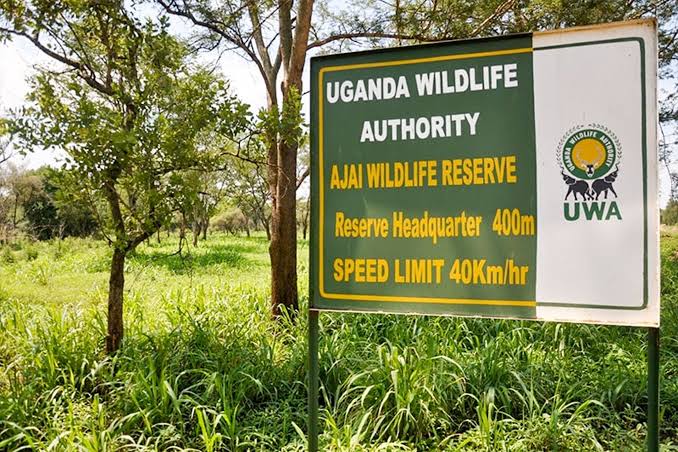
Ajai Wildlife Reserve is a small but historically important protected area in Uganda’s West Nile region, set around wooded savannah, papyrus swamp, seasonally flooded lowlands, and the western bank of the Albert Nile. It is not a polished mass-market safari park, and that is exactly why it deserves careful, honest coverage: Ajai tells one of Uganda’s most powerful stories about rhino loss, protected-area recovery, community conservation, and the future of wildlife tourism in northwestern Uganda.
For travelers searching for Ajai Wildlife Reserve Uganda, Ajai safari, West Nile wildlife reserve, Uganda rhino history, or Albert Nile wildlife, this page explains what makes Ajai different from larger parks such as Murchison Falls National Park. Ajai is best planned as a specialist conservation and West Nile extension, often combined with Arua, Nebbi, Pakwach, Lake Albert Region, or Ziwa Rhino Sanctuary.
Ajai’s appeal is not about ticking off guaranteed big cats or following a standard game-drive circuit. Its value lies in context: a former white rhino refuge, a Madi heritage landscape associated with King Ajai, a reserve recovering from heavy poaching in the 1970s and 1980s, and a potential new frontier for carefully managed Uganda wildlife conservation in the West Nile sub-region.
Quick Facts About Ajai Wildlife Reserve
| Feature | Details |
|---|---|
| Destination Type | Wildlife reserve and conservation-history destination |
| Location | Madi-Okollo / West Nile, northwestern Uganda, east to southeast of Arua |
| Landscape | Wooded savannah, papyrus swamps, seasonally flooded lowlands, and Nile-influenced habitat |
| Approximate Size | Sources commonly describe the reserve in the 148-166 sq km range |
| Historic Role | Former stronghold for white rhinos in northern Uganda |
| Current Tourism Style | Special-interest conservation, birding, West Nile route extension, exploratory safari |
| Best Bases | Arua, Nebbi, Pakwach, or Murchison Falls area depending on route |
| Best Combined With | Murchison Falls, Pakwach, Nebbi, Arua, Ziwa Rhino Sanctuary, Lake Albert |
Overview of Ajai Wildlife Reserve
Ajai Wildlife Reserve sits in the less-visited northwestern corner of Uganda, in the West Nile landscape west of the Nile system and east/southeast of Arua. It is a reserve of wetland edges, savannah woodland, and local-use conservation pressures rather than a highly commercialized safari destination.
The reserve’s identity is inseparable from rhinos. Northern Uganda and West Nile once formed part of Uganda’s historic rhino range, and Ajai was gazetted to protect a dwindling population. Poaching, political instability, civil conflict, and weak protection during the 1970s and 1980s wiped rhinos out of the area. That loss shaped not only Ajai’s wildlife story but also Uganda’s wider conservation memory.
Recent reports from 2026 describe a new phase for Ajai, with the Uganda Wildlife Authority beginning a phased return of southern white rhinos from Ziwa Rhino Sanctuary. This should be understood as a conservation restoration story, not a guarantee that Ajai is already a mainstream rhino-tracking destination. For now, travelers should confirm current access, security, visitor arrangements, and rhino-viewing protocols before planning a trip specifically around rhinos.
Ajai also has a Madi cultural layer. Tourism and conservation sources connect the reserve’s early protection story with King Ajai and Ajai Island, where local authority and wildlife protection intersected long before modern tourism branding. A good visit should therefore include both conservation and community context.
Why Visit Ajai Wildlife Reserve?
To Understand Uganda’s Rhino History
Ajai is one of the most meaningful places to discuss Uganda rhino history. It helps travelers understand why rhino conservation at Ziwa Rhino Sanctuary matters today, and why restoring rhinos to wider landscapes is such a major national conservation step.
To Explore a Quieter West Nile Route
Most safari visitors focus on the west and southwest. Ajai shifts attention toward the West Nile wildlife reserve story, with routes through Arua, Nebbi, Pakwach, the Albert Nile, and Murchison’s northern side.
To Add Conservation Depth Beyond Big Parks
Ajai shows the difficult side of conservation: historical abundance, overhunting, poaching, collapse, community pressure, recovery attempts, and renewed wildlife-management ambition. That makes it valuable for repeat visitors and conservation-minded travelers.
To Pair Wildlife with Regional Culture
The reserve sits in a lived-in West Nile landscape. A thoughtful itinerary can connect Ajai with Alur and Madi regional context, markets, rivers, rural agriculture, and the logistics hub of Arua.
Things to Do in Ajai Wildlife Reserve
Learn the Rhino Conservation Story
The most important Ajai activity is interpretation. A guide can explain how rhinos once ranged in northern Uganda, why they disappeared, how Ziwa became Uganda’s main rhino-breeding site, and why Ajai is being discussed again as a future rhino landscape.
Bird Watching and Wetland Edge Exploration
Ajai’s papyrus, woodland, seasonal swamp, and Nile-influenced habitats can interest birders moving through West Nile. This is not yet a polished birding destination with the profile of Mabamba or Semliki, but it can add value to a specialist route that also includes Mabamba Swamp, Toro-Semliki Wildlife Reserve, or Murchison’s river corridor.
West Nile Scenic and Community Stops
Ajai works best with wider West Nile travel. Nearby communities, farmland, rivers, and roads help visitors understand how protected areas survive beside human needs. This is especially relevant because local resource-use agreements and community relationships are part of Ajai’s modern recovery story.
Combine with Murchison Falls and Pakwach
The most practical safari pairing is Ajai plus Murchison Falls National Park through Pakwach and the Albert Nile corridor. This gives travelers a major wildlife park first, then Ajai as a conservation-history extension rather than the only wildlife stop.
See things to do in Ajai Wildlife Reserve
Wildlife and Conservation in Ajai
Rhinos: Historic Loss and New Hope
The most important keyword for this page is Ajai rhino conservation. Historically, Ajai was associated with white rhinos before they were lost from Uganda’s wild landscapes. Recent translocation reporting suggests rhinos are returning to Ajai in a phased way, but visitors should verify current arrangements before expecting public tracking.
Other Mammals
Recovery reports and reserve summaries mention species such as baboons, bushbucks, bushpigs, black-and-white colobus monkeys, vervet monkeys, duikers, Uganda kob, oribi, and warthogs. Some sources also reference hippos, sitatunga, leopards, and other wildlife in the wider reserve landscape. Sightings should be treated as possible, not guaranteed.
Wetlands and the Albert Nile
The Albert Nile wildlife context is central to Ajai. Seasonal flooding, papyrus, wooded savannah, and river-connected habitats make the reserve more complex than a simple dry savannah patch. Wetland health, local resource use, and community management all affect the future of the reserve.
Explore Ajai wildlife and conservation notes
Best Time to Visit Ajai Wildlife Reserve
Drier months are generally easier for road access, reserve movement, and combining Ajai with Murchison Falls, Pakwach, Nebbi, or Arua. The West Nile region can be hot, so early starts are useful for field visits, birds, and photography.
Rainy periods can bring greener scenery and more active wetland edges, but they may complicate access in low-lying or seasonally flooded areas. Because Ajai is still a specialist destination, current road condition and local guidance matter more than broad seasonal advice.
If rhino-related tourism develops further, timing may also depend on UWA access rules, monitoring needs, and visitor protocols. Always confirm before building an itinerary around rhino viewing.
Check the best time to visit Ajai Wildlife Reserve
How to Get to Ajai Wildlife Reserve
Ajai is usually approached through the West Nile road network. Arua is the most important city base, while Nebbi and Pakwach can work depending on whether you are coming from Murchison Falls, Gulu, or the Lake Albert side.
From a safari-planning perspective, the cleanest route is often Murchison Falls National Park to Pakwach, then onward toward Nebbi, Arua, and Ajai. Travelers already in Arua can use Ajai as a conservation day or overnight extension if local access is confirmed.
Because Ajai is not a high-traffic tourism site, use a private 4×4, reliable driver-guide, and current local contact. Do not assume signage, guides, roads, or visitor procedures will work like Uganda’s famous national parks.
Read how to get to Ajai Wildlife Reserve
How Ajai Fits into Uganda Safari Itineraries
Murchison Falls and West Nile Extension
Start with Murchison Falls for classic wildlife, boat safari, and waterfall scenery, then continue via Pakwach into West Nile for Ajai, Nebbi, or Arua. This makes Ajai an intelligent extension rather than an isolated gamble.
Rhino Conservation Route
Pair Ziwa Rhino Sanctuary with Ajai to compare Uganda’s established rhino-tracking site with a historically important reserve that may play a larger role in future rhino restoration.
West Nile Culture and Nature Route
Combine Ajai with Arua, Nebbi, Pakwach, Lake Albert, and local cultural stops. This route is best for travelers who value regional depth over a standard highlights-only safari.
Build Ajai Wildlife Reserve into a Uganda safari route
Where to Stay for Ajai
Most travelers should not expect a wide lodge selection inside Ajai itself. Accommodation planning usually points to Arua, Nebbi, Pakwach, or the northern/western side of Murchison Falls depending on the route.
Arua gives the strongest city services and works well for West Nile logistics. Pakwach is useful for Murchison and the Albert Nile. Nebbi can support regional movement between the two. Your best base depends on road timing, guide availability, and whether Ajai is a day visit or part of a wider West Nile loop.
Compare where to stay for Ajai Wildlife Reserve
Responsible Travel Tips
Ajai’s future depends on conservation discipline and community trust. Visitors should use authorized guides, respect UWA rules, avoid off-road disturbance, never pressure staff for closer wildlife access, and support itineraries that benefit local people.
Because rhino restoration is sensitive, any rhino-related visit should follow official guidance. If access is restricted for monitoring or security reasons, that restriction should be respected. Conservation comes before photography.
- Confirm access and visitor procedures before departure.
- Use a West Nile guide who understands Ajai’s current status.
- Carry water, snacks, sun protection, and fuel margin.
- Do not expect a mainstream big-game safari experience.
- Ask before photographing people or community activities.
- Bring binoculars for birds and wetland scanning.
- Combine Ajai with Murchison, Pakwach, Nebbi, or Arua for route value.
- Treat rhino conservation information as sensitive and verify current rules.
Read Ajai Wildlife Reserve travel tips
Ajai Wildlife Reserve FAQs
- Is Ajai Wildlife Reserve worth visiting?
-
Yes, Ajai Wildlife Reserve is worth visiting for travelers interested in West Nile, conservation history, rhino restoration, birding, and quieter Uganda safari routes. It is best treated as a specialist extension rather than a mainstream big-game park.
- Where is Ajai Wildlife Reserve located?
-
Ajai Wildlife Reserve is in northwestern Uganda in the West Nile sub-region, in the Madi-Okollo area east to southeast of Arua and within the wider Albert Nile landscape.
- Can I see rhinos at Ajai Wildlife Reserve?
-
Ajai is historically important for white rhinos, and recent conservation reporting describes a phased return of southern white rhinos from Ziwa Rhino Sanctuary. Visitors should confirm current Uganda Wildlife Authority access rules before planning a trip specifically for rhino viewing.
- How is Ajai connected to Uganda rhino history?
-
Ajai was once part of Uganda’s historic northern rhino range and was gazetted to protect a declining rhino population. Poaching and instability later wiped rhinos out of the area, making Ajai an important place for understanding Uganda’s conservation losses and restoration efforts.
- What wildlife can be found in Ajai?
-
Wildlife expectations should be realistic. Reports and reserve summaries mention baboons, bushbucks, bushpigs, black-and-white colobus monkeys, vervet monkeys, duikers, Uganda kob, oribi, warthogs, wetland species, and birdlife. Sightings are not as predictable as in major national parks.
- What is the best route for visiting Ajai?
-
The most practical routes usually connect Ajai with Arua, Nebbi, Pakwach, Murchison Falls National Park, or the Lake Albert corridor. A private 4×4 and current local guidance are recommended.
- Is Ajai good for first-time Uganda safari travelers?
-
Not usually as a main safari destination. First-time visitors normally get better wildlife density in Murchison Falls, Queen Elizabeth, Kibale, or Bwindi. Ajai is better for repeat travelers, conservation-focused guests, researchers, and West Nile route extensions.
- What should I confirm before visiting Ajai Wildlife Reserve?
-
Confirm current access, security, guide availability, road condition, UWA procedures, rhino-viewing rules if applicable, accommodation base, and whether your route has enough time to make the visit worthwhile.
Nearby Destinations to Combine with Ajai Wildlife Reserve
Ajai combines best with Arua, Nebbi, Pakwach, Murchison Falls National Park, Ziwa Rhino Sanctuary, and the Lake Albert region. These pairings make the reserve part of a realistic West Nile safari route rather than a disconnected detour.
Nearby destinations to combine
Plan Your Ajai Wildlife Reserve Visit
Ajai Wildlife Reserve is best for travelers who want conservation history, West Nile context, rhino-restoration perspective, and a quieter Uganda safari story. It is not the easiest reserve to visit, but it can be one of the most meaningful when planned honestly.
Our team can help decide whether Ajai should be included as a specialist extension after Murchison Falls, a West Nile cultural route, or a conservation-focused itinerary connected to Ziwa Rhino Sanctuary and the Albert Nile corridor.
Request a custom Ajai Wildlife Reserve and Uganda safari quote