Wildlife and primate access from Kisoro
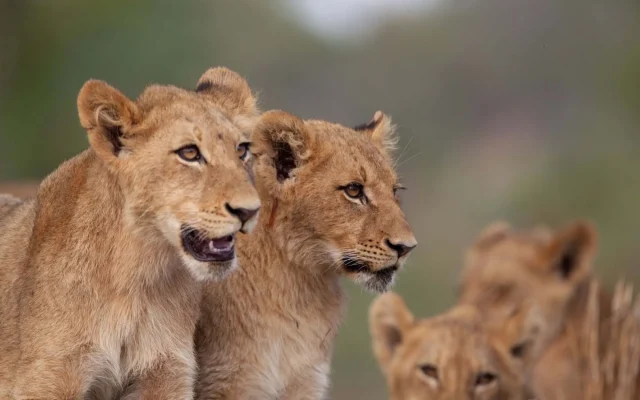
Kisoro town does not offer a classic game-drive circuit. You will not scan open savannah for lion prides from the main street. Instead, Kisoro functions as the practical gateway to Mgahinga Gorilla National Park — Uganda's smallest national park at roughly 33.7 square kilometres — and to southern sectors of Bwindi Impenetrable National Park such as Rushaga and Nkuringo. That positioning makes Kisoro essential for gorilla safari planning even when your actual wildlife encounter happens inside protected forest an hour or less from town.
Understanding this distinction prevents disappointment. Travelers who expect elephant herds or hippo pools in Kisoro itself miss the point. The wildlife value is access: mountain gorillas in volcanic bamboo forest, golden monkeys on Mgahinga slopes, Albertine Rift forest birds in nearby reserves, and the quieter lake-edge life around Lake Mutanda. Kisoro supplies fuel, guides, markets, lodging choices, and transfer coordination so those experiences run smoothly.
Mountain gorillas: Mgahinga and southern Bwindi
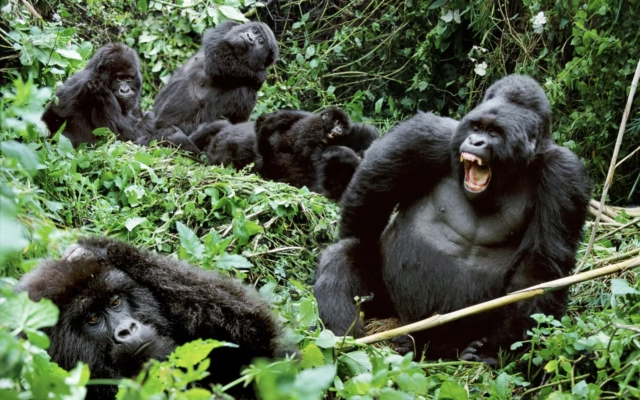
Mountain gorilla trekking is the headline wildlife reason travelers route through Kisoro. Mgahinga protects a transboundary population shared with Rwanda and the Democratic Republic of Congo across the Virunga volcanoes. Treks begin from the Ntebeko area after briefings; groups move through bamboo zones, montane forest, and steep volcanic terrain searching for habituated families. Permits are date-specific and limited — booking before accommodation is the safer sequence.
Southern Bwindi sectors reached via Kisoro offer a different forest character: deeper rainforest, longer drives to some trailheads, and separate permit pools from northern Bwindi gates near Kabale. When your permit names Rushaga or Nkuringo, Kisoro or lakeside lodges north of town often make more sense than staying in Kabale. Vague routing — booking a Kisoro hotel while holding a Buhoma permit — creates unnecessary early-morning transfers.
Gorilla encounters remain wild and unpredictable. Trackers may find a group within an hour or require a demanding hike. Fitness, waterproof layers, and realistic pacing matter. After a trek, many travelers return to Kisoro or Lake Mutanda for recovery rather than stacking another long drive the same afternoon.
Golden monkeys and smaller primates
Golden monkey tracking in Mgahinga complements gorilla trekking with a faster, more animated forest experience. These endangered primates move actively through bamboo and forest edge; sightings feel livelier than the quiet intensity of a gorilla hour. Kisoro lodges and operators commonly package golden monkey days alongside gorilla permits for travelers with multiple mornings in the area.
Forest margins near Kisoro also hold blue monkeys, black-and-white colobus, and varied birdlife visible on scenic drives toward Echuya Forest Reserve or Kisoro Highlands viewpoints. These are bonus sightings for birders and photographers, not guaranteed tour products — but they reinforce why the district sits inside the Albertine Rift biodiversity hotspot.
Lake Mutanda and wetland-edge life
Lake Mutanda adds a freshwater dimension to Kisoro wildlife context. Canoe trips reveal kingfishers, cormorants, and terraced hills reflected on still water; island edges and papyrus margins support frogs, otters, and seasonal migrants. Sitatunga and larger mammals are not the lake's draw — the experience is scenic ecology at a gentler pace after strenuous forest treks.
Combining a gorilla morning with an afternoon canoe on Mutanda is a classic Kisoro rhythm. Photographers value volcano silhouettes at dusk; birders scan margins for malachite kingfishers and wetland specialists. The lake turns Kisoro from a transit stop into a two-night highland base.
Echuya Forest and the wider highland mosaic
The Kabale–Kisoro corridor passes Echuya Central Forest Reserve, roughly 34 square kilometres of montane forest, bamboo, and Muchuya swamp between highland communities. Official primate treks focus on Mgahinga and Bwindi, but Echuya contributes regional ecology — forest birds, small mammals, and the kind of misty bamboo scenery that defines southwestern Uganda. Drivers familiar with the route may pause at viewpoints or short forest-edge walks when time allows.
The Kisoro Highlands landscape — terraced hills, crater lakes, and volcano backdrops — frames wildlife experiences rather than replacing them. Travelers interested in how agriculture and conservation coexist in gorilla country benefit from seeing farm plots beside forest patches on the approach to town.
Responsible wildlife tourism from a gateway town
Kisoro's wildlife economy depends on permit revenue, lodge employment, and community programmes linked to gorilla conservation. Follow park rules on distance, voice level, and health declarations before treks. Avoid purchasing illegal forest products or encouraging off-trail behaviour for photographs. Tips to trackers and porters support local livelihoods directly tied to habituated groups remaining viable.
Cross-border itineraries using Kigali as an entry point are common, but border formalities and visa rules require advance planning — wildlife logistics fail quickly when paperwork delays an early Mgahinga briefing. Confirm permit sector, lodge location, and meeting point in writing before travel.
How Kisoro fits a wider Uganda safari
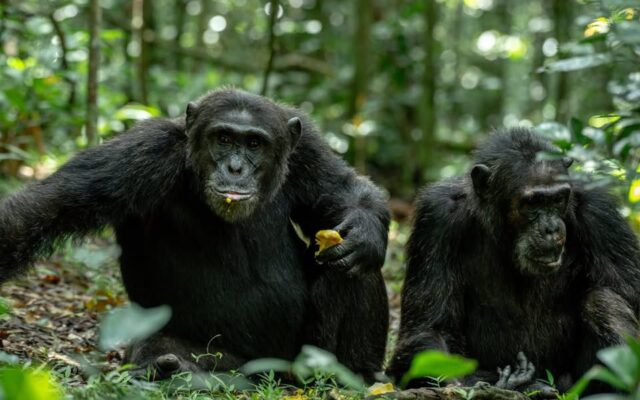
Most western Uganda routes connect Kisoro with Lake Bunyonyi for scenic rest, Queen Elizabeth National Park for savannah game drives, or Kibale National Park for chimpanzee trekking after gorilla days. Longer drives from Entebbe or Kampala usually pass Kabale; Kigali access can shorten southwest-focused itineraries when borders cooperate.
For species detail, seasons, and access planning, see our Kisoro bird watching, best time to visit, and getting there guides — each covers a different angle of the same highland gateway.