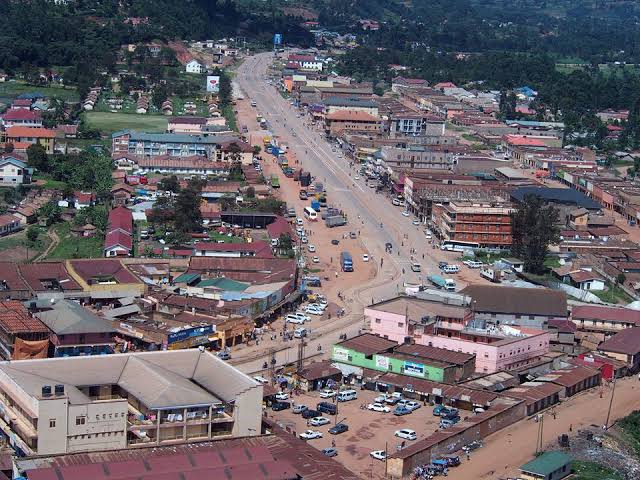
Best time to visit Kisoro
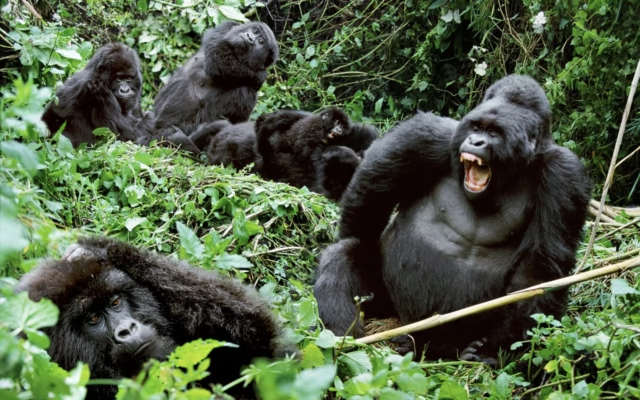
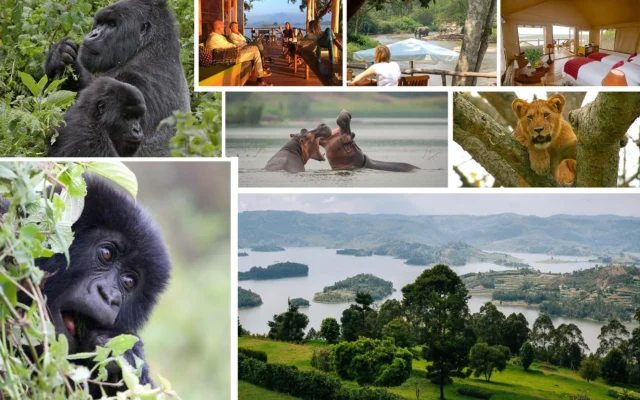
Unlike a single-activity wetland morning at Mabamba Swamp, a Kisoro visit usually anchors multi-day gorilla country logistics. Your permit date locks the core experience — mountain gorilla trekking in Mgahinga Gorilla National Park or southern Bwindi Impenetrable National Park — while Kisoro itself supplies lodging, markets, fuel, and transfers to Lake Mutanda, Kisoro Highlands viewpoints, and cross-border routes toward Kigali. Season choice therefore blends permit strategy, highland rainfall, road quality on the Kabale–Kisoro corridor, and whether you are combining golden monkey tracking or volcano hikes.
Gorilla permits first, seasons second
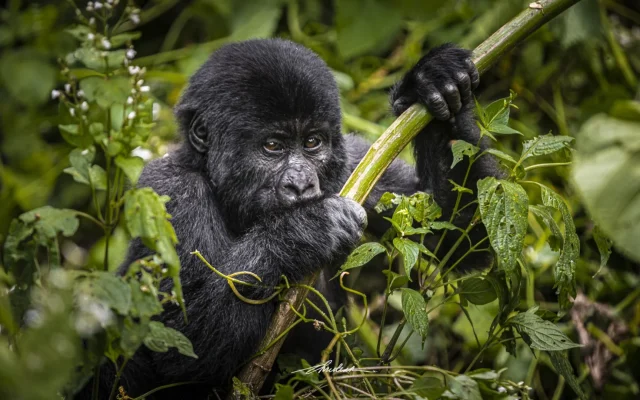
Uganda gorilla permits sell out weeks or months ahead in peak travel periods. Secure your preferred date and sector — Mgahinga, Rushaga, Nkuringo, or another Bwindi gate — before finalizing Kisoro hotels. A perfectly dry month with no available permit helps no one. Once permits are held, align lodge location with briefing point: southern Bwindi sectors and Mgahinga treks often favour Kisoro or Mutanda lakeside bases over Kabale town.
Peak international demand typically clusters in dry-season months and northern-hemisphere holiday weeks. Book lodges and transport early when your permit falls inside June–September or December–February windows popular with overseas travelers.
Dry season vs rainy season in the highlands
Southwestern Uganda broadly follows two drier periods — roughly June to September and December to February — when forest trails and district roads are often easier. Tracks to secondary lake viewpoints and lodge access off the main Kabale–Kisoro road tend to be less muddy, and cloud bases sometimes lift enough for volcano views over Lake Mutanda.
Rainier months centered on March to May and parts of October to November bring lush scenery, fewer competing visitors at times, and excellent forest atmosphere — but also slick bamboo on Mgahinga slopes, heavier packs, and slower transfers. Gorilla trekking remains operational in rain; waterproof shells, gaiters, and realistic fitness expectations matter more than canceling. Photography suffers when mist closes Virunga vistas, yet forest mood and bird activity can still reward patient travelers.
Highland microclimate differs from Queen Elizabeth National Park savannah or Entebbe lake weather the same week. Check conditions for Kisoro District specifically when packing.
Time of day and trek scheduling
Gorilla and golden monkey briefings start early — often around park opening — regardless of season. Kisoro lodges near Mgahinga reduce pre-dawn driving; lakeside properties may add transfer minutes but reward recovery afternoons. Plan Lake Mutanda canoe time or market walks on non-trek afternoons rather than stacking long drives immediately after steep forest exits.
Photographers chasing volcano reflections on Mutanda should prioritize clear-sky mornings and evenings in drier months; midday cloud is common year-round at elevation.
Golden monkeys, volcano hikes, and extra mornings
Travelers adding golden monkey tracking or Virunga day hikes need spare mornings and leg recovery. Dry-season footing on volcanic trails is generally safer, but altitude and steep grades remain demanding year-round. Do not schedule a volcano summit the day before a gorilla trek unless your fitness and itinerary buffer allow it.
Batwa cultural experiences and community walks around Kisoro town suit any month but read better in stable weather when outdoor interpretation is comfortable for mixed-age groups.
Cross-border timing from Kigali
Kigali-access itineraries often reach Kisoro faster than drives from Kampala or Entebbe, but border hours, visa rules, and holiday queues vary. Build margin on arrival day — wildlife logistics fail when border delays collide with afternoon lodge check-ins or briefing deadlines. Confirm current crossing procedures rather than relying on outdated forum posts.
Month-by-month snapshot
January–February: Often drier, strong for trekking and Mutanda scenery; popular with winter escape travelers — book lodges early.
March–May: Rainier, lush forests, muddy roads possible; fewer crowds at times; pack waterproof gear for treks.
June–August: Peak dry-season travel; excellent trekking conditions when trails cooperate; highest permit and lodge demand.
September: Transition month — still workable; watch for early rains locally.
October–November: Second rainy peak possible; dramatic cloudscapes; flexible scheduling helps.
December: Holiday demand; combine early booking with early briefing starts.
Where Kisoro sits on longer routes
Many travelers enter Kisoro mid-itinerary after Lake Bunyonyi or Queen Elizabeth, or exit toward Kibale and Fort Portal. Season planning should cover the whole western loop — not only Kisoro — so one muddy sector does not compress the rest.
Pair this page with our Kisoro wildlife, bird watching, and getting there guides for species detail and route timing.