Kisoro — questions travelers ask before booking
Kisoro occupies a specific niche in Uganda travel: the working town and logistics hub for the country's far southwestern gorilla highlands. It is not a national park and not a luxury safari enclosure — it is where vehicles refuel, guides meet guests, markets supply lodges, and travelers route toward Mgahinga Gorilla National Park, Lake Mutanda, and southern Bwindi Impenetrable National Park. Understanding that role upfront prevents the common mismatch of expecting classic game drives from town centre hotels.
The site works best when permits, lodge location, and briefing points align before accommodation is paid. Pair Kisoro planning with Kisoro Highlands scenery, Kabale and Lake Bunyonyi routing, and — for cross-border trips — careful Kigali entry timing.
Gorilla permits, sectors, and where to stay
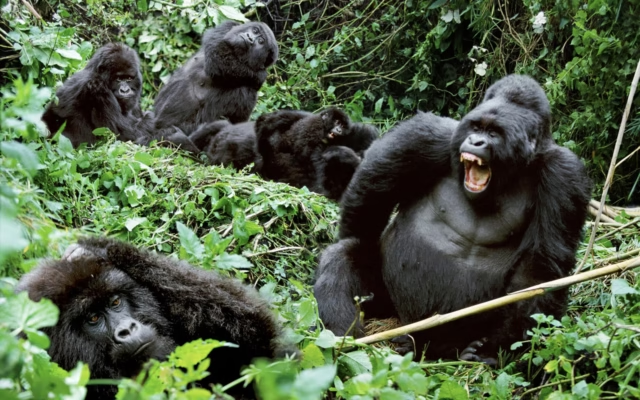
The most frequent Kisoro question is whether to stay in town or at lakeside lodges. Answer: match your base to your permit sector. Mgahinga and Nkuringo/Rushaga treks often suit Kisoro District properties; northern Bwindi gates near Buhoma may favour Kabale-side lodges instead. Booking a pretty Mutanda camp while holding a distant sector permit wastes sleep on trek mornings.
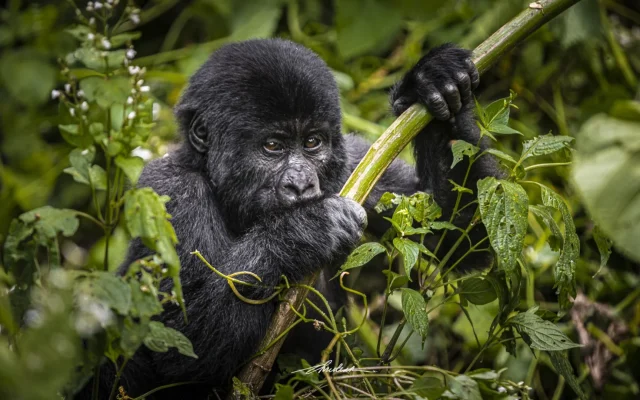
Permits are date-specific and sell out in peak months. Secure Uganda Wildlife Authority allocation — or verified agent booking — before non-refundable lodge deposits. Golden monkey permits in Mgahinga are separate products worth adding if you have a spare morning.
Kisoro vs nearby destinations
Kisoro town differs from the Kisoro Highlands travel concept: town is markets, services, and modest hotels; highlands are terraced volcanoes, crater lakes, and scenic drives. Lake Mutanda is the most popular scenic base north of town. Kabale sits northeast as the larger regional centre on the route from Kampala.
Do not confuse Kisoro with Kigezi Highlands pages that describe the wider regional touring canvas — each page serves different planning depth.
Time, cost, and itinerary fit
Most travelers spend two to four nights in Kisoro District when combining Mgahinga, a southern Bwindi trek, and Lake Mutanda recovery. Single-night stops work only when permits and transfers are tightly synchronized. Same-day drives from Entebbe to Kisoro are possible but exhausting — Lake Bunyonyi or Kabale breaks are kinder.
Kisoro rarely anchors an entire Uganda safari alone. It connects to Queen Elizabeth National Park, Kibale, and Fort Portal on longer western loops. See our best time to visit and getting there pages for season and route detail.
Packing, health, and highland realism
Pack trekking boots, gaiters, rain shell, warm layer for evenings, and daypack for gorilla hours. Elevation cools mornings even near the equator. Malaria precautions apply — consult your clinician. Porter hire supports local income and helps on steep Mgahinga or Bwindi exits; arrange at briefing.
Photography rules follow park guidance: no flash on gorillas, respect distance directives from rangers. Border travelers need valid passports and appropriate East Africa visa arrangements.
Travel insurance that covers high-altitude trekking and emergency evacuation is worth confirming before departure — Kisoro District clinics handle minor issues, but serious cases may require transfer to larger centres.
Where to read next
Wildlife and primate access: Kisoro wildlife.
Albertine Rift birding: Kisoro bird watching.
Seasons and months: best time to visit Kisoro.
Road and air access: how to get to Kisoro.
The main Kisoro destination guide covers hub overview, nearby combinations, and full safari context.